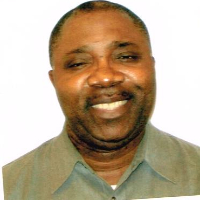
- Licensed inNew Jersey
- License37PC00462400
- NPI 1174980486
- Experience22+ years
- LanguagesEnglish
Details are as listed on the therapist's public professional profile. You can check any license with the state board and any NPI with the national registry.
About Augustine
Dr. Augustine Bessong is a licensed professional counselor (LPC) based in New Jersey with 22 years of clinical experience. He draws on long experience helping people with anxiety, depression, grief, trauma, addiction, and related concerns.
He uses clear, direct talking and listens closely to what each person needs. He works in a warm and interactive style. Sessions focus on practical steps and on understanding patterns that keep problems going.
He emphasizes respect, acceptance, and collaboration rather than labels or shame.
Background and approach
Dr. Bessong uses several approaches to fit different needs. That can include attachment-based ideas to look at how early bonds affect current relationships.
He also uses client-centered methods that let the person lead the pace of work, and cognitive behavioral techniques to change unhelpful thinking and behavior. People come to him for a wide range of concerns such as stress, ADHD, relationship and intimacy difficulties, sleep and eating problems, parenting strain, and career or life transitions.
He also supports people dealing with abandonment, communication problems, and the effects of trauma. Sessions can include coaching-style work, skill-building, or deeper conversations about meaning and values. Dr.
Bessong aims to tailor the plan to each person’s goals and to collaborate on practical next steps. If someone is ready to begin, he guides them through a clear start-up process and works with the pace they prefer.
Credentials
- LPC (New Jersey)
- License 37PC00462400 · expires November 2026
- NPI
- 1174980486 · national provider identifier
Both are public records. A state board register will confirm a license and its standing, and the national registry will confirm an NPI. This directory copies what the therapist lists and checks neither.
Focus areas and approaches
Everything Augustine lists on their public professional profile, in their own terms.
- Stress, Anxiety
- Trauma and abuse
- Grief
- Depression
- ADHD
- Addictions
- LGBT
- Relationship issues
- Family conflicts
- Intimacy-related issues
- Eating disorders
- Sleeping disorders
- Parenting issues
- Anger management
- Self esteem
- Career difficulties
- Bipolar disorder
- Coping with life changes
- Coaching
- Compassion fatigue
- Abandonment
- Aging and geriatric issues
- Antisocial personality
- Attachment issues
- Autism and Asperger Syndrome
- Avoidant personality
- Blended family issues
- Caregiver issues and stress
- Commitment issues
- Communication problems
- Control issues
- Dependent personality
- Dissociation
- Divorce and separation
- Domestic violence
- Emptiness
- Family of origin issues
- Family problems
- Forgiveness
- Immigration issues
- Impulsivity
- Infidelity
- Intellectual disability
- Jealousy
- Life purpose
- Mood disorders
- Multicultural concerns
- Narcissism
- Obsessions, compulsions, and OCD
- Personality disorders
- Phobias
- Polyamory / non-monogamous relationships
- Postpartum depression
- Post-traumatic stress
- Process addiction (porn, exercise, gambling)
- Seasonal Affective Disorder (SAD)
- Self-harm
- Self-love
- Sex addiction
- Sexual assault and abuse
- Sexuality
- Social anxiety and phobia
- Young adult issues
Approaches Augustine names
- Attachment-Based Therapy
- Client-Centered Therapy
- Cognitive Behavioral Therapy (CBT)
- Emotionally-Focused Therapy (EFT)
- Existential Therapy
- Mindfulness Therapy
- Motivational Interviewing
- Psychodynamic Therapy
- Solution-Focused Therapy
- Trauma-Focused Therapy
Naming an approach is not evidence of training in it. This directory copies what each therapist lists and does not check training records.
Online support
Online approaches that focus on bonds and practical change
Attachment-based work looks at how early relationships shape current patterns. It helps people understand how closeness, trust, and separation affect reactions and how to build more supported ways of connecting. Client-centered therapy puts the person in charge of the process and emphasizes acceptance, listening, and pacing the work to the individual. It can help when someone needs a steady, nonjudgmental space to sort feelings and choices. Cognitive behavioral therapy (CBT) targets specific thoughts and behaviors that cause distress and teaches clear tools to manage anxiety, depression, sleep problems, and compulsive behaviors.Finding the right approach is part of the work. The therapist will talk with the client about goals, preferences, and the issues that matter most, then recommend a mix of methods. That collaborative decision helps shape short-term steps and longer-term goals together.
Online therapy offers flexible ways to meet. Video calls allow face-to-face conversation and visual cues. Phone sessions can be easier when bandwidth is low or when a shorter check-in fits a busy day. Live chat or text-based messaging supports ongoing reflection, quick check-ins, or people who prefer writing to speaking. These options make it simpler to fit therapy into work, caregiving, or travel schedules while still using approaches like attachment work, client-centered listening, and CBT in the online setting.
We will earn a commission if you sign up through our link, at no cost to you. It does not change what you pay or the order of the listings.
Frequently asked
What concerns does he address?
He helps people with stress, anxiety, trauma and abuse, grief, depression, ADHD, addictions, relationship and intimacy issues, eating and sleeping problems, parenting strain, anger, self-esteem, career challenges, bipolar concerns, and coping with life changes.
How would you describe his therapeutic style?
He uses a warm, interactive approach and listens closely. Sessions mix practical skill-building with reflective conversation and are shaped by what the client wants to work on.
What is his background and experience?
He has 22 years of experience in mental health work and has supported people with a wide range of issues including trauma, developmental and forensic concerns, and LGBTQ needs.
What credentials and region relate to his practice?
He is a licensed professional counselor (LPC) practicing in New Jersey.
Which languages and clients are supported?
Sessions are offered in English and he accepts international clients.
What session formats are available?
He offers video calls, phone sessions, live chat, and text-based messaging to suit different preferences and schedules.
How is cost handled for sessions?
Cost varies with location and therapist availability; sessions use a subscription model that can be canceled at any time.
How do I get started with him?
Begin by selecting the Start Therapy button, complete a short matching questionnaire, and then schedule sessions according to therapist availability.
More therapists in New Jersey
See all
Barry Wasser
LCSW
Calm, relationship-focused therapy for everyday life
- Stress, Anxiety
- Relationship
- Trauma and abuse

Themistoklis Bakelas
LCSW
Practical, relational therapy for life transitions
- Relationship
- Grief
- Self esteem

Jessica Peres
LPC
Attachment-focused counselor in New Jersey
- Stress, Anxiety
- Addictions
- Trauma and abuse
Is this your profile?
Ask us to correct details or take the page down.
Contact us