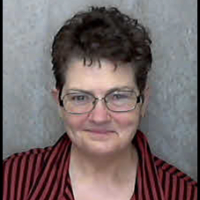
Dr. Farah Ibrahim
CO Psychologist
Compassionate psychologist focusing on attachment and coping
- Stress, Anxiety
- Relationship
- Family
Attachment-based therapy directory
1,167 therapists list sexual trauma among the things they work with. All offer sessions online, and every profile shows the registering body, the membership number and when it runs to.
This directory highlights therapists who list sexual trauma among their specialties, with profiles that describe approaches, credentials, languages, and experience. Browse the listings below to find clinicians whose focus and methods align with what you are looking for.
CO Psychologist
Compassionate psychologist focusing on attachment and coping
LPCC, LPC
Compassionate therapist focused on relationships and growth
LIMFT, LPCC
Practical, relational therapy for everyday struggles
LMHC
Practical support for stress and attachment
LMHC
Compassionate counselor focused on attachment and coping
LMFT
Compassionate LMFT focusing on attachment and healing
LCSW
Calm, relationship-focused therapy for everyday life
LCSW
Practical, warm therapy for attachment and stress
LPC
Healing attachment and building coping skills
LMHC
Calm, practical support for lasting change
LCSW, LCSW-R
Compassionate support for emotional recovery
LMHC
Practical, steady support for life’s hard moments
LPC
Grounded, practical counseling for overwhelmed adults
LCSW
Practical, compassionate therapy for life transitions
LCSW
Supportive social worker focused on relationships and coping
LICSW, LCSW, CSW
Supportive therapy for life transitions and attachment
LCPC
Compassionate therapist for clearer self-talk
NY Psychoanalyst
Experienced psychoanalyst focusing on attachment and coping
LCSW
Calm, practical support for emotional and relationship strain
LMHC
Experienced attachment-informed counselor
LPC
Compassionate counseling for complex emotions
LMHC
Compassionate LMHC focusing on attachment and connection
LPC
Calm, practical care for emotional challenges
LCSW
Attachment-informed LCSW offering steady support
LPC
Compassionate counselor focused on attachment and recovery
LPC
Therapist offering steady, compassionate support
LPC
Experienced counselor focused on connection and coping
LCSW
Experienced Oregon LCSW focused on attachment and coping
LCSW
Practical, strengths-based therapy for adults
MD, LCSW-C, LCSW
Experienced clinician combining medical and social work perspectives
LPC
Compassionate counselor using creativity and attachment insights
LMFT, LCMFT
Relationship healing and boundary building
LPC
Attachment-focused counselor with practical tools
LPC
Attachment-focused counselor in New Jersey
LPC
Warm LPC blending attachment and skills-based care
MD, LCPC
Compassionate counselor focusing on attachment and coping
LMFT
Attachment-minded LMFT offering practical support
LPC-MHSP
Therapist focused on real-life change
LPC
Compassionate counselor focusing on relationships
LMHC
Compassionate counselor blending attachment and practical skills
LCMHC
Compassionate counselor focused on attachment and recovery
LPC
Compassionate counselor helping steady emotions and relationships
LMHC
Experienced counselor focused on attachment and practical skills
Some links on this page are partner links. We will earn a commission if you sign up through one, at no cost to you. It does not change what you pay or the order of the listings.
Sexual trauma refers to experiences in which your sexual autonomy was threatened, violated, or exploited. That can include a wide range of events - assault, abuse, coercion, harassment, or other unwanted sexual experiences - and it can happen at any age. Sexual trauma shapes how you relate to your body, your sense of safety, and your relationships. It can also influence how you process emotions, interpret social cues, and manage stress. Because sexual trauma often involves a breach of trust and bodily boundaries, many people notice shifts in intimacy, sexual functioning, and attachment patterns.
The effects of sexual trauma are diverse and personal. Some people struggle with intrusive memories or nightmares while others experience numbness or a disconnection from sensations. You might find that your nervous system reacts strongly to certain sights, sounds, or situations, or that you have learned protective strategies that were adaptive at the time but now limit your ability to live fully. Relationships may feel fraught with tension or distance, and everyday tasks can become more difficult when trauma-related reactions are present. Understanding these possible impacts is a first step toward making choices about support and care.
If you are wondering whether therapy could help, pay attention to how symptoms affect your daily life. Persistent anxiety, panic attacks, or ongoing fear that affects work, school, or social life may signal a need for focused support. Intrusive thoughts, flashbacks, or recurring nightmares about past sexual trauma can interrupt sleep and concentration. You may notice avoidance of places, people, or activities that remind you of what happened, or you may feel stuck in patterns of distrust or isolation. Changes in sexual desire, discomfort with intimacy, or physical pain during sex are also common responses that people bring to therapy.
Other signs include frequent mood swings, difficulty regulating anger or sadness, self-harm behaviors, or patterns of substance use that you use to cope. Dissociation - feeling detached from your body or time - can be particularly confusing, and it often leads people to seek help. If trauma-related reactions make it hard for you to maintain relationships or to pursue goals that matter to you, therapy can provide a structured space to address those patterns and build new ways of responding.
Therapy for sexual trauma typically begins with time to get to know you, your history, and your current concerns. Early sessions are often focused on establishing a working relationship, setting boundaries, and creating a plan that feels manageable. You and your therapist should discuss goals and the pace at which you want to move. Many therapists emphasize consent and collaboration so that you remain in control of what is explored and when.
Over time, sessions may include learning skills for grounding, emotion regulation, and managing intense body sensations. Your therapist may work with you to identify triggers and to develop strategies you can use between sessions to feel more centered. Some people begin to process memories or sensations in a gradual way, while others prioritize stabilization and safety before engaging in deeper processing. You can expect your therapist to check in about how interventions feel and to adjust the approach as needed. Therapy can also involve work on relationships, communication, and rebuilding trust, including exploring how attachments and patterns from the past influence present connections.
Therapists who list trauma-focused cognitive behavioral therapy among their approaches often focus on how thoughts, feelings, and behaviors interact after trauma and may work with you to develop new strategies for coping. You will also find therapists who list EMDR among their approaches - a method that uses bilateral stimulation alongside memory processing for those who choose that path. Some practitioners list somatic approaches among their methods, which pay attention to bodily sensations and the ways trauma is held in the nervous system and musculature. Others list internal family systems or parts work as an approach to help you understand internal conflicts and protectors that developed in response to trauma.
Narrative and meaning-centered therapies are listed by some therapists and can help you reframe and integrate your experience into a broader life story. Mindfulness-informed approaches are commonly listed as a way to help you relate to difficult thoughts and emotions with greater clarity. Group therapy and peer-based supports are sometimes described as options that offer connection with others who have had similar experiences. When reading profiles, note that a therapist listing an approach is information about the methods they describe, not proof of specific certification. You can use that information to identify clinicians whose stated approaches match your preferences and comfort level.
Online therapy provides a way to meet with a therapist from a location that feels comfortable for you, which can be helpful if travel, mobility, or geography are barriers. Sessions typically take place via video or audio, and many people find that the relative control of choosing their setting makes it easier to start or continue work. Therapists who work online often discuss boundaries, session length, technology preferences, and emergency planning during the initial conversations so you know what to expect. Some interventions translate well to remote work, while other modalities may include elements that are adapted for a virtual format. You and your therapist can decide together how to shape sessions so you feel supported and can build skills between meetings.
Choosing a therapist is a personal decision. Look for profiles that clearly describe focus areas and approaches so you can identify potential matches. Consider the credentials and professional background listed, along with the populations and age groups a therapist mentions. Language and cultural competence can be important, so pay attention to whether a therapist lists languages or experience working with communities that matter to you. Read how therapists describe their approach to trauma work - some emphasize skills and stabilization, others focus on body-based work or memory processing, and some combine methods in an integrative way. If you have preferences about the pace of therapy, the use of partner or family sessions, or how goals are set, prioritize therapists whose descriptions align with those preferences.
It is reasonable to expect clear communication about fees, session format, and how records are handled during initial contacts. Many people find it helpful to prepare questions ahead of a first call or intake so you can compare how clinicians discuss consent, boundaries, and the steps they suggest for early sessions. Trust your sense of whether you feel heard and respected when you reach out - the therapeutic relationship itself is one of the most important factors in effective work. Finally, remember that it is okay to try a few clinicians before settling on someone who feels like the right fit for your needs and goals.