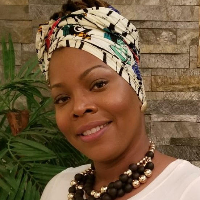
Ka'Tora Dunn
LPCC, LPC
Compassionate therapist focused on relationships and growth
- Stress, Anxiety
- Relationship
- Family
Attachment-based therapy directory
2,186 therapists list Trauma-Focused Therapy among the ways they work. Naming an approach is not evidence of training in it, so ask directly how they use it.
Trauma-Focused Therapy is an approach that helps people process and integrate distressing experiences using targeted, evidence-informed methods. Below you can browse therapists who list Trauma-Focused Therapy among their approaches to find someone whose focus, credentials, language skills, and experience match your needs.
LPCC, LPC
Compassionate therapist focused on relationships and growth
LIMFT, LPCC
Practical, relational therapy for everyday struggles
LPC, LPCC
Practical, attachment-aware counseling for life changes
LPC
Compassionate counselor helping people rebuild connection
LMHC
Practical support for stress and attachment
LCSW
Attachment-informed care for life's hard moments
LPC, LPCC
Gentle, practical help for deep emotional work
LMHC
Compassionate counselor focused on attachment and coping
LMFT
Compassionate LMFT focusing on attachment and healing
LPC
Compassionate counseling for stronger relationships
LPC
Calm, practical help for attachment and life stressors
LMHC
Skilled guide for stress, relationships, and healing
LCSW
Calm, relationship-focused therapy for everyday life
LCSW
Practical, warm therapy for attachment and stress
LPC
Healing attachment and building coping skills
LPC, LPCC
Practical therapy for stress and relational healing
LMHC
Calm, practical support for lasting change
LCMHC
Support for stress, loss, and relationship strain
LCSW, LCSW-R
Compassionate support for emotional recovery
LMHC
Practical, steady support for life’s hard moments
LPC
Calm practical counseling focused on relationships
LCSW
Attachment-focused therapist helping with anxiety and trauma
LPC
Grounded, practical counseling for overwhelmed adults
LCSW
Supportive social worker focused on relationships and coping
LMFT
Compassionate, practical therapy for attachment and mood concerns
LICSW, LCSW, CSW
Supportive therapy for life transitions and attachment
LCPC
Compassionate therapist for clearer self-talk
NY Psychoanalyst
Experienced psychoanalyst focusing on attachment and coping
MD, LCSW-C
Compassionate, practical therapy for life changes
LISW
Compassionate attachment-focused social worker
LMSW
Attachment-informed social worker focused on life changes
LPC
Experienced counselor focused on relationships and healing
LICSW
Calm, experienced therapist focused on relationships
LCSW
Experienced LCSW focusing on attachment and life changes
LMHC
Experienced attachment-informed counselor
LMHC
Compassionate counselor for attachment and life change
LPC
Compassionate counseling for complex emotions
LMHC
Compassionate LMHC focusing on attachment and connection
LCSW
Attachment-informed LCSW offering steady support
LPC
Compassionate counselor focused on attachment and recovery
LPC
Therapist offering steady, compassionate support
Some links on this page are partner links. We will earn a commission if you sign up through one, at no cost to you. It does not change what you pay or the order of the listings.
Trauma-Focused Therapy refers to a set of clinical approaches that center on understanding how overwhelming or disturbing experiences affect a person’s thoughts, emotions, behavior, and relationships. At its core, the approach emphasizes helping you make sense of traumatic memories and reactions, reduce the intensity of distressing symptoms, and build coping strategies that support daily functioning. Therapists who use this framework typically work with you to create a collaborative plan that respects your pace and priorities, with attention to safety, stabilization, and gradual processing when appropriate.
The principles guiding Trauma-Focused Therapy include a focus on the present-day impact of past events, a careful balance between addressing painful memories and strengthening resilience, and an emphasis on skill-building to manage emotional and physiological responses. Interventions are selected to fit your history and current needs, and therapists often integrate techniques that help regulate the nervous system alongside cognitive and narrative work. You can expect the work to be tailored rather than formulaic, with the aim of improving your ability to navigate triggers and to re-establish a sense of control over everyday life.
People seek Trauma-Focused Therapy for a range of experiences that continue to cause distress. This includes responses to accidents, assaults, medical trauma, childhood adversity, loss, witnessing violence, and prolonged exposure to stressful environments. The approach is frequently used when past events are connected to patterns of anxiety, intense emotional reactions, difficulty with trust or relationships, nightmares, intrusive memories, or avoidance behaviors that interfere with work or daily routines.
Beyond classic post-trauma symptoms, Trauma-Focused Therapy is also applied to complex presentations where trauma is one component of broader struggles such as mood challenges, grief, or relationship difficulties. Therapists who list this approach may work with adults, adolescents, or children, and they often pay close attention to developmental stage and cultural context. The emphasis is on translating the experience of trauma into an understandable narrative so that you can reclaim functioning and connections that may have been affected.
Sessions start by centering on what feels most pressing for you at the moment and checking in about safety and coping since the last meeting. Early in the work, a therapist will often spend time helping you develop or strengthen grounding and emotion-regulation strategies so that you have tools to manage distress between sessions. As trust grows, sessions may incorporate guided exploration of memories, symptoms, and the thoughts and beliefs that have developed in response to traumatic events.
The pacing is collaborative. Some sessions focus on skill practice and present-day problem solving, while others may involve gentle processing of painful memories using techniques selected to match your tolerance. The therapist will typically explain the rationale for any intervention and invite your feedback about how it feels. You may also spend sessions addressing practical areas affected by trauma, such as sleep, relationships, or daily routines. Progress is often measured by changes in how you react to triggers, improvements in daily functioning, and a growing sense of agency over your responses.
Where general psychotherapy may address a wide range of life concerns, Trauma-Focused Therapy specifically centers on the effects of distressing experiences and how they shape present-day reactions. Unlike approaches that prioritize insight into longstanding personality patterns, Trauma-Focused Therapy often blends cognitive, somatic, and exposure-based elements to reduce the intensity of trauma-related symptoms. The work tends to be more targeted when a history of trauma is a central factor in your difficulties, whereas other therapies might focus more broadly on interpersonal dynamics or skill acquisition without directly engaging traumatic memories.
It is also important to note that many therapists combine Trauma-Focused Therapy elements with other clinical tools. This integrative stance means the label alone does not define every technique that will be used. What distinguishes trauma-focused work is the intentional attention to the links between past experiences and current distress, the emphasis on safety and stabilization early in treatment, and the use of interventions designed to help process trauma in a paced and supportive way. If you are comparing approaches, look at how a therapist describes their goals, methods, and how they work with trauma-related reactions rather than relying solely on a name.
You may be a good candidate for Trauma-Focused Therapy if you find that past events continue to shape your emotions, relationships, or behavior in ways that feel limiting or distressing. This includes people who experience intrusive memories, persistent anxiety in response to reminders, emotional dysregulation, sleep disruptions, or avoidance of situations that feel triggering. The approach is typically adapted to your readiness to engage with painful material, and therapists will work with you to build skills that help you feel safer and more resilient before and during deeper processing.
When looking for a therapist who lists Trauma-Focused Therapy among their approaches, pay attention to several practical factors. Review profiles for stated focus areas, professional credentials, years of experience, and languages spoken to ensure a match with your needs. Read any descriptions about how the therapist approaches trauma work, including whether they emphasize pacing, stabilization, or integration with other strategies. Consider how important aspects like cultural understanding, life stage experience, or therapeutic style are to you, and look for descriptions that resonate with your preferences.
Initial contact with a prospective therapist is an opportunity to ask about how they conceptualize trauma work, what a typical course of therapy looks like for someone with your concerns, and how they support clients between sessions. You can ask about their approach to safety and pacing, how they measure progress, and how they adapt interventions to accommodate differences in background or comfort. Choosing a therapist is both a practical and personal decision - one that is eased when you have clear information about focus areas, methods, and the therapist’s experience working with issues similar to yours.
Finding the right match may take time and thoughtful review. Use the directory to narrow options by focus, credentials, and language, then look for descriptions that align with your goals. When you connect with a therapist, trust your sense of rapport and whether their explanations and plan feel respectful of your pace. Trauma-Focused Therapy can be a structured and compassionate path toward understanding the impact of difficult experiences and toward rebuilding a more stable and meaningful day-to-day life.