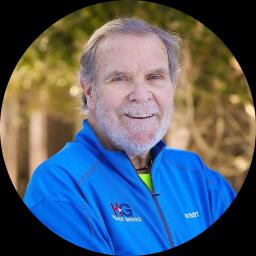
Robert Payne, LCSW
Therapist in Idaho
Robert Payne is a licensed clinical social worker with 37 years of experience.
- Licensed inIdaho
- LicenseLCSW-603
- NPI 1922200328
- Experience37+ years
- LanguagesEnglish
Details are as listed on the therapist's public professional profile. You can check any license with the state board and any NPI with the national registry.
About Robert
Robert Payne is a licensed clinical social worker with 37 years of experience. He uses attachment-informed ways of working alongside client-centered care to help people navigate hard emotions and relationship struggles. He frames clients as experts in their own stories and offers steady, practical support.
He often helps people who are dealing with stress, anxiety, depression, grief, and the effects of trauma and abuse. He also focuses on intimacy-related concerns, self-esteem, anger, career questions, and compassion fatigue.
Background and approach
He listens for the patterns that link current problems to earlier relationships and life events. Robert combines tools from cognitive behavioral approaches and dialectical behavior ideas to teach concrete skills for managing mood, thoughts, and strong emotions. He uses existential ideas to help people explore meaning, values, and choices when life feels empty or overwhelming.
Sessions include goal-setting, skill practice, and gentle reflection tailored to each person's needs. Parents and caregivers may find help with parenting strain, blended family challenges, adoption and foster care issues, caregiver stress, and family-of-origin concerns. He also addresses abandonment, codependency, commitment and communication problems, and practical problems that come up during divorce or separation.
Robert works with clients across Idaho and accepts international clients in English. He offers video calls, phone sessions, live chat, and text-based messaging. Getting started involves a short matching questionnaire and scheduling a time to begin.
Credentials
- LCSW (Idaho)
- License LCSW-603 · expires October 2027
- NPI
- 1922200328 · national provider identifier
Both are public records. A state board register will confirm a license and its standing, and the national registry will confirm an NPI. This directory copies what the therapist lists and checks neither.
Focus areas and approaches
Everything Robert lists on their public professional profile, in their own terms.
- Stress, Anxiety
- Relationship issues
- Trauma and abuse
- Grief
- Depression
- Family conflicts
- Intimacy-related issues
- Eating disorders
- Parenting issues
- Anger management
- Self esteem
- Career difficulties
- Coaching
- Compassion fatigue
- Abandonment
- Adoption and foster care
- Aging and geriatric issues
- Blended family issues
- Caregiver issues and stress
- Codependency
- Commitment issues
- Communication problems
- Control issues
- Coping with natural or human-caused disaster
- Dependent personality
- Disruptive Mood Dysregulation Disorder (DMDD)
- Divorce and separation
- Emptiness
- Family of origin issues
- Family problems
- Fatherhood issues
- Guilt and shame
- Infidelity
- Isolation / loneliness
- Jealousy
- Life purpose
- Men's issues
- Midlife crisis
- Veteran and Armed Forces Issues
- Mood disorders
- Multicultural concerns
- Narcissism
- Panic disorder and panic attacks
- Personality disorders
- Post-traumatic stress
- Prejudice and discrimination
- Seasonal Affective Disorder (SAD)
- Self-harm
- Self-love
- Sexual assault and abuse
- Sexuality
- Social anxiety and phobia
- Traumatic brain injury
- Workplace issues
Approaches Robert names
- Attachment-Based Therapy
- Client-Centered Therapy
- Cognitive Behavioral Therapy (CBT)
- Dialectical Behavior Therapy (DBT)
- Existential Therapy
- Mindfulness Therapy
- Psychodynamic Therapy
- Trauma-Focused Therapy
- Internal Family Systems
Naming an approach is not evidence of training in it. This directory copies what each therapist lists and does not check training records.
Online support
Working with attachment and skills online
Robert uses attachment-based ideas to look at how early relationships shape current patterns. This approach focuses on how people connect, respond to closeness, and manage worry in relationships, which can help with intimacy, abandonment concerns, and family-of-origin issues.He also uses client-centered therapy which prioritizes the person's experience and choices. That means listening first, following the client's lead, and supporting their goals without pushing solutions. Cognitive behavioral therapy is used to teach concrete tools for changing unhelpful thoughts and behaviors and for managing anxiety, depression, and mood swings.
Finding the right mix of approaches is part of the work together. He will discuss goals, preferences, and practical needs, and then shape sessions in collaboration with each person to fit their situation.
Online therapy is offered via video calls, phone sessions, live chat, or text-based messaging to make it easier to meet from different places and schedules. Video is useful for full conversations and visual cues, phone sessions work well when bandwidth is limited, live chat allows shorter check-ins, and messaging supports ongoing reflection between sessions. These options make it easier to keep therapy consistent and to fit sessions around work, caregiving, or travel.
We will earn a commission if you sign up through our link, at no cost to you. It does not change what you pay or the order of the listings.
Frequently asked
What concerns does he commonly address?
He works with stress, anxiety, depression, grief, trauma and abuse, relationship and intimacy-related issues, eating concerns, parenting strain, anger, self-esteem, career questions, and compassion fatigue.
How would you describe his therapeutic style?
He blends attachment-based thinking with client-centered care and practical techniques from CBT and DBT to help people understand patterns and learn coping skills.
What kind of experience does he bring?
He brings 37 years of professional experience working with a wide range of emotional and relationship challenges.
Where is he licensed and practicing?
He is licensed in Idaho as an LCSW and practices with clients in that region while also accepting international clients in English.
Which languages are supported for sessions?
Sessions are offered in English.
What session formats are available?
He offers video calls, phone sessions, live chat, and text-based messaging to fit different schedules and preferences.
How does pricing and payment work?
Cost varies with location and therapist availability; sessions use a subscription model that can be canceled at any time.
What is the first step to begin therapy?
Click the Start Therapy button, complete a short matching questionnaire, and schedule a session according to the therapist's availability.
More therapists in Idaho
See all
Rachel Webster
LCSW
Warm, experienced LCSW focused on relationships
- Stress, Anxiety
- Family
- Trauma and abuse
Marissa Shennan
LMFT
Practical, attachment-aware therapy for life challenges
- Stress, Anxiety
- Relationship
- Trauma and abuse

Erika Moe
LCPC
Calm, collaborative counseling for life transitions
- Stress, Anxiety
- Trauma and abuse
- Parenting
Is this your profile?
Ask us to correct details or take the page down.
Contact us