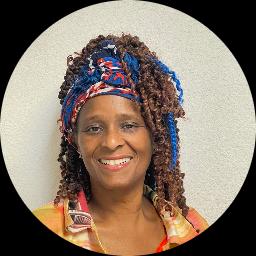
Dr. Farah Ibrahim
CO Psychologist
Compassionate psychologist focusing on attachment and coping
- Stress, Anxiety
- Relationship
- Family
Attachment-based therapy directory
988 therapists list disaster relief therapy among the things they work with. All offer sessions online, and every profile shows the registering body, the membership number and when it runs to.
On this page you'll find therapists who list disaster relief among their specialties and approaches to help people cope after emergencies. Use the listings below to explore profiles, compare focus areas and approaches, and contact therapists who match your needs.
CO Psychologist
Compassionate psychologist focusing on attachment and coping
LPCC, LPC
Compassionate therapist focused on relationships and growth
LIMFT, LPCC
Practical, relational therapy for everyday struggles
LPC, LPCC
Practical, attachment-aware counseling for life changes
LMHC
Practical support for stress and attachment
LPC, LPCC
Gentle, practical help for deep emotional work
LMHC
Compassionate counselor focused on attachment and coping
LMFT
Compassionate LMFT focusing on attachment and healing
LPC
Calm, practical help for attachment and life stressors
LCSW
Calm, relationship-focused therapy for everyday life
LMHC, LCPC
Practical support for stress and life change
LCSW
Attachment-informed therapist focused on practical change
LMHC
Calm, practical support for lasting change
LCMHC
Support for stress, loss, and relationship strain
LCSW, LCSW-R
Compassionate support for emotional recovery
LPC
Calm practical counseling focused on relationships
LPC
Grounded, practical counseling for overwhelmed adults
LCSW
Supportive social worker focused on relationships and coping
LCSW
Therapist focused on attachment and practical support
LCPC
Compassionate therapist for clearer self-talk
NY Psychoanalyst
Experienced psychoanalyst focusing on attachment and coping
LMHC
Experienced attachment-informed counselor
LMHC
Compassionate LMHC focusing on attachment and connection
LCSW
Attachment-informed LCSW offering steady support
LPC
Compassionate counselor focused on attachment and recovery
LPC
Therapist offering steady, compassionate support
LPC
Experienced counselor focused on connection and coping
LCSW
Experienced Oregon LCSW focused on attachment and coping
LCSW
Practical, strengths-based therapy for adults
MI Psychologist
Compassionate psychologist focused on relationships and resilience
LCPC
Attachment-informed counselor with practical tools
LMFT
Compassionate therapist for relationship and stress concerns
LCSW
Compassionate, practical therapy for life’s hard moments
LCSW
Seasoned LCSW helping with life transitions
MD, LCPC
Compassionate counselor focusing on attachment and coping
LPC-MHSP
Therapist focused on real-life change
LPC
Experienced counselor with varied career background
LCMHC
Compassionate counselor focused on attachment and recovery
LPC
Compassionate counselor helping steady emotions and relationships
LMHC, LPCC
Compassionate skill-building for everyday challenges
Some links on this page are partner links. We will earn a commission if you sign up through one, at no cost to you. It does not change what you pay or the order of the listings.
Disaster relief therapy refers to therapeutic work focused on helping people recover from the emotional, psychological, and social impacts of natural disasters, mass-casualty events, or other large-scale crises. You may encounter therapists who list disaster relief as a specialty because they have experience working with survivors, first responders, community groups, or families affected by loss and upheaval. The work often addresses the immediate shock of an event as well as the longer-term processes of grief, disruption, and rebuilding that follow. A disaster can interrupt routines, displace you from your home or community, and create new practical stresses such as housing, employment, and access to basic needs. Those practical strains interact with emotional responses and can prolong distress.
Emotional reactions to disaster vary widely. You might notice intense fear, numbness, anger, guilt, sadness, or a sense of disbelief. Relationships can be strained when people respond to trauma in different ways. Community cohesion may be challenged when resources are scarce. For some people, symptoms recede with time and practical support; for others, emotional and behavioral changes persist and interfere with daily life. Disaster relief therapy aims to help you process those reactions, restore a sense of safety and routine, and develop coping strategies that fit the realities of recovery.
It can be difficult to know when to seek professional support. You may consider therapy if you find that distress from the event is interfering with your ability to carry out daily tasks, maintain relationships, or manage basic responsibilities. You might notice persistent sleep problems, intrusive memories, heightened startle reactions, or ongoing avoidance of places, people, or situations that remind you of the event. Changes in appetite, concentration, or motivation are common and may signal that additional support would be helpful.
You may also benefit from therapy if you are experiencing prolonged grief or a sense of meaninglessness after loss, if you find yourself using alcohol or other substances more frequently to cope, or if tension with family members and community relationships is growing. First responders and volunteers sometimes notice burnout, moral distress, or physical symptoms linked to chronic stress. Even if your reaction feels expected given the circumstances, therapy can provide a structured setting to make sense of what happened and to build strategies for moving forward. Seeking help is a practical step that can reduce the long-term toll of disaster-related stress.
When you begin sessions focused on disaster relief, the first phase is often about establishing a sense of safety and identifying your most pressing needs. Your therapist may ask about your current living situation, access to resources, social supports, and immediate stressors. This practical assessment helps shape a plan that balances emotional processing with problem-solving. Early sessions may focus on stabilization techniques to help you manage overwhelming emotions or sleep disruption so that you can engage more effectively in longer-term work.
As therapy progresses, you and your therapist will decide whether to focus on processing traumatic memories, developing coping skills for panic or anger, addressing grief and loss, or rebuilding daily routines and relationships. Sessions can include emotion regulation exercises, grounding practices to manage flashbacks or dissociation, and conversations that help you reframe or make meaning of the experience. Therapists who list disaster relief among their approaches often incorporate community and family dynamics into treatment, recognizing that recovery can be influenced by social networks, cultural values, and practical supports. You should expect a collaborative process in which goals and pacing are adjusted to your needs and the realities of recovery.
There is no single method that fits everyone, and therapists use a range of approaches tailored to your circumstances. You may find therapists who list cognitive behavioral techniques among their approaches to help with unhelpful thinking patterns and to teach skills for managing anxiety and avoidance. Some clinicians include trauma-focused methods that emphasize processing distressing memories in a paced way. When you encounter references to approaches such as eye movement desensitization and reprocessing, somatic therapies, narrative therapy, or peer-support models, note that these describe the methods a therapist may use rather than an assertion about credentialing.
Community-based and culturally informed interventions are also common in disaster relief work. These approaches place your experience within the context of community recovery, traditions, and collective meaning-making. Group interventions can offer validation and social connection when you are coping with shared losses. Family-focused work helps address shifts in roles and communication that often follow displacement or resource strain. When reviewing therapist profiles, pay attention to the ways practitioners describe their orientation - for example, whether they emphasize stabilization, grief work, trauma processing, or systems-level support - because that will help you find someone whose approach aligns with your needs.
Online therapy can expand access to clinicians who list disaster relief among their specialties, particularly when in-person services are limited by geography or ongoing recovery conditions. Teletherapy sessions typically occur over video or phone, and some therapists offer text-based check-ins for interim support. You should expect to discuss how remote sessions will handle issues such as privacy in shared living spaces, emergency contacts if you are in crisis, and technology needs. A therapist can help you identify a quiet, comfortable environment to meet from and discuss backup plans if a connection drops.
Online work can support many of the same goals as in-person therapy - stabilization, skills training, trauma processing, and coordination with local services. It can also facilitate access to therapists who have specific experience working with disaster-affected populations or with particular cultural or language needs. If you are considering remote sessions, think about your internet reliability, whether you prefer video or phone, and how you will manage self-care between sessions. Online therapy can be flexible during the often-unpredictable recovery period that follows a disaster, but it also requires clear communication about boundaries, scheduling, and how the therapist will address urgent concerns.
Selecting a therapist is a personal decision shaped by your priorities. Start by noting the practical factors that matter to you - language, cultural background, clinical focus, and the approaches a therapist lists on their profile. Read how clinicians describe their work with disaster-related issues and look for language that resonates with your goals, whether that is short-term stabilization, grief-focused support, family systems work, or longer-term trauma processing. Many profiles include information about populations served, such as first responders, families, or community groups; use that to narrow your search to clinicians who highlight relevant experience in their descriptions.
Consider practical communication preferences as well. Some therapists describe whether they integrate community resources or coordinate with other service providers, which can be important when recovery includes housing, legal, or public health needs. Trust your initial impressions from profile descriptions and introductory messages; a strong therapeutic fit often depends on feeling heard and understood. When you reach out, you may ask about a therapist's approach to pacing, how they work with families or groups, and what supports they can suggest between sessions. These conversations can help you evaluate whether a clinician's style aligns with your expectations without relying on claims about training or certification. Ultimately, choose someone whose approach and language make you feel able to engage in the work of recovery.
Recovering from a disaster is a process that involves both practical rebuilding and emotional healing. Therapy can be one resource among many to help you navigate trauma, loss, and change. Use the listings on this page to explore the approaches therapists describe, think about what feels most important for your recovery, and connect with professionals who frame their work in ways that match your needs.