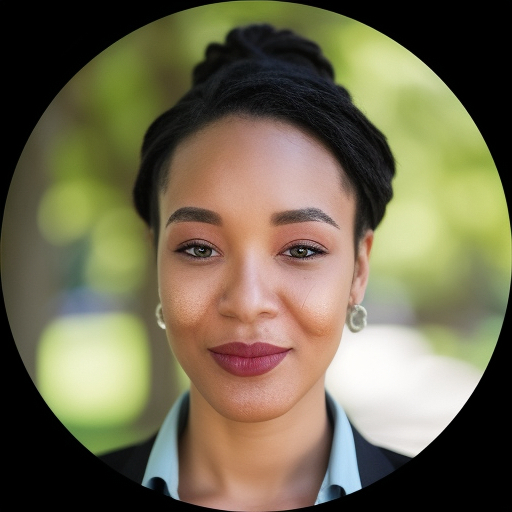
Dr. Farah Ibrahim
CO Psychologist
Compassionate psychologist focusing on attachment and coping
- Stress, Anxiety
- Relationship
- Family
Attachment-based therapy directory
1,340 therapists list infidelity among the things they work with. All offer sessions online, and every profile shows the registering body, the membership number and when it runs to.
If infidelity has affected your relationship or emotional well-being, the therapists listed here identify infidelity as a focus area and describe approaches for couples and individuals. Browse the listings below to compare counselors' approaches, credentials, languages, and experience to find potential fits.
CO Psychologist
Compassionate psychologist focusing on attachment and coping
LPCC, LPC
Compassionate therapist focused on relationships and growth
LIMFT, LPCC
Practical, relational therapy for everyday struggles
LPC
Compassionate counselor helping people rebuild connection
LMHC
Practical support for stress and attachment
LPC, LPCC
Gentle, practical help for deep emotional work
LMHC
Compassionate counselor focused on attachment and coping
LMFT
Compassionate LMFT focusing on attachment and healing
LMHC
Skilled guide for stress, relationships, and healing
LCSW
Calm, relationship-focused therapy for everyday life
MD, LCPC
Compassionate, focused relationship and life counseling
LCSW
Practical, warm therapy for attachment and stress
LPC
Healing attachment and building coping skills
LPC, LPCC
Practical therapy for stress and relational healing
LCSW
Attachment-informed therapist focused on practical change
LMHC
Calm, practical support for lasting change
LCSW, LCSW-R
Compassionate support for emotional recovery
LCSW
Attachment-focused therapist helping with anxiety and trauma
LPC
Grounded, practical counseling for overwhelmed adults
LISW, LCSW, CSW
Compassionate clinical social worker focusing on attachment
LPC
Compassionate therapist blending attachment and practical skills
LICSW, LCSW, CSW
Supportive therapy for life transitions and attachment
LCPC
Compassionate therapist for clearer self-talk
NY Psychoanalyst
Experienced psychoanalyst focusing on attachment and coping
LISW
Compassionate attachment-focused social worker
LMSW
Attachment-informed social worker focused on life changes
LICSW
Calm, experienced therapist focused on relationships
LCSW
Experienced LCSW focusing on attachment and life changes
LMHC
Experienced attachment-informed counselor
LMHC
Compassionate LMHC focusing on attachment and connection
LCSW
Attachment-informed LCSW offering steady support
LPC
Compassionate counselor focused on attachment and recovery
LMHC
Compassionate counselor blending attachment and practical skills
LPC
Experienced counselor focused on connection and coping
LCSW
Experienced Oregon LCSW focused on attachment and coping
LPCC
Helping people rebuild stable relationships and coping skills
LCSW
Practical, strengths-based therapy for adults
MD, LCSW-C, LCSW
Experienced clinician combining medical and social work perspectives
LPC
Compassionate counselor using creativity and attachment insights
LMSW
Experienced Michigan therapist focused on attachment
LMFT, LCMFT
Relationship healing and boundary building
LICSW
Compassionate clinician guiding practical change
LCPC
Attachment-informed counselor with practical tools
Some links on this page are partner links. We will earn a commission if you sign up through one, at no cost to you. It does not change what you pay or the order of the listings.
Infidelity can take many forms, from physical affairs to emotional connections or boundary violations that feel like betrayal. How you define infidelity may differ from how your partner defines it, and those differences often shape the emotional fallout. You may experience intense anger, grief, shame, anxiety, or numbness. Even when the relationship continues, patterns of trust and communication frequently change. For some people the event marks a turning point that leads to clearer boundaries and renewed connection. For others it triggers ongoing conflict, avoidance, or a reevaluation of the relationship's future. Infidelity often prompts questions about identity, values, and safety in relationships, and it can affect daily functioning, parenting, work, and social life. Recognizing the variety of responses you might have - emotional, cognitive, and behavioral - is a first step toward deciding whether professional support could help you navigate the next phase.
You might consider therapy if the aftermath of infidelity interferes with your ability to think clearly, sleep, or maintain close relationships. If you find yourself rehearsing painful scenes, feeling stuck in anger, or unable to forgive either yourself or your partner, a counselor can offer tools to manage those reactions. Therapy can also be helpful when communication has broken down - if conversations escalate into blame or avoidance, or if you struggle to express needs without triggering defensiveness. You may notice changes in sexual intimacy, shifts in parenting roles, or new patterns of secrecy and checking that increase distress. Even if you and your partner decide to separate, therapy can support you in processing loss and planning for safety and practical next steps. Choosing help does not mean you are weak or that the relationship must end; it means you want time and space to understand what happened and decide how to move forward in a considered way.
Early sessions often focus on creating a framework for safety and shared goals. A therapist will typically invite each person to describe their experience and priorities, helping to slow down conversations that might otherwise become reactive. You can expect opportunities to process emotional reactions, learn communication strategies for discussing painful topics, and explore the relational patterns that may have contributed to the situation. Some sessions are individual and concentrate on your personal coping, boundaries, or next steps. Other sessions may include your partner to address repair, apology, and rebuilding trust when both of you choose to engage. Therapy often combines skills practice - such as emotion regulation and clear expression - with deeper exploration of attachment patterns and values. Progress is rarely linear; you may revisit the same themes multiple times while trying on new behaviors and assessing whether they meet your needs. Your therapist should discuss treatment goals with you and adapt the pace based on your tolerance for discussing difficult material.
In-session work may include identifying concrete steps like restructuring daily routines, clarifying boundaries about contact with third parties, or negotiating agreements about disclosure and accountability. Emotional work can involve naming complex feelings, processing betrayal trauma, and understanding how past relationships influence current reactions. You will likely spend time learning how to repair ruptures in communication and how to evaluate whether rebuilding trust is possible and sustainable for you.
Therapists use a range of approaches to address infidelity, and many list multiple modalities among their approaches. Emotionally focused approaches focus on attachment needs and help you understand how closeness and fear of abandonment shape reactions. Cognitive-behavioral techniques can help identify patterns of thinking that heighten distress and teach practical skills for managing intrusive thoughts and improving behavior. Narrative-oriented work allows you to reframe the story of what happened and integrate the event into your personal and relational narrative. Some therapists may include trauma-informed methods for people experiencing intense betrayal responses, and others may incorporate couples-based frameworks that center on communication and negotiation. It is common to see therapists who list integrative or eclectic approaches, blending interpersonal insight with skill-building depending on what you need in the moment. When reviewing profiles, note which approaches resonate with you and how therapists describe applying them to infidelity-related concerns.
Online therapy expands how you can access counseling for infidelity, allowing you to connect with clinicians who list this focus regardless of geographic distance. Sessions typically occur through video, phone, or messaging formats, offering flexibility for different comfort levels and schedules. In an online session you can expect many of the same therapeutic activities as in-person work - emotional processing, communication practice, and decision-making support - with additional considerations around privacy and the environment you choose for sessions. You will want to pick a quiet, uninterrupted place where you can speak freely and reflect without immediate exposure to others. For couples, online sessions can sometimes make scheduling easier and allow partners to join from separate locations, though therapists may discuss protocols for technology glitches, interruptions, and managing strong emotions when not in the same room. If you are thinking about online counseling, consider how comfortable you are with digital communication and how that medium supports honest conversation and emotional regulation for you.
Start by clarifying your priorities - whether you need individual support to process pain, joint work to explore repair, or guidance while deciding on separation. Look for profiles that describe work with infidelity in a way that matches your goals and values. Pay attention to the language therapists use: do they emphasize communication skills, attachment patterns, accountability, or grief work? Note the approaches they list and remember that those listings do not prove specific certifications but do indicate areas they say they work with. Consider practical factors like language, cultural competence, and experience with relationship structures similar to yours, since those elements shape how well you will connect and be understood. When you contact a therapist, you can ask about their general approach to infidelity, what a typical session might involve, and how they balance individual and couple-focused work. Trust your sense of comfort and clarity after an initial conversation - the right match is often one where you feel heard and where the therapist's plan aligns with what you hope to achieve. Finally, give yourself permission to take time when choosing support - this decision is part of the healing process and deserves attention.
Infidelity raises difficult questions, but you do not have to answer them alone. Whether you seek to repair, separate, or simply make a thoughtful choice about your future, therapy can offer structure, emotional support, and practical tools to help you move forward. Use the profiles on this page to explore options and find counselors whose approaches and experience align with the path you want to take.