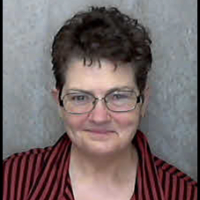
Dr. Farah Ibrahim
CO Psychologist
Compassionate psychologist focusing on attachment and coping
- Stress, Anxiety
- Relationship
- Family
Attachment-based therapy directory
1,077 therapists list aging and geriatric issues among the things they work with. All offer sessions online, and every profile shows the registering body, the membership number and when it runs to.
This page features therapists who identify aging and geriatric issues as a focus, including support for caregiving stress, memory concerns, grief, and life transitions. Explore the listings below to review approaches, credentials, languages, and experience that match your needs.
CO Psychologist
Compassionate psychologist focusing on attachment and coping
LPCC, LPC
Compassionate therapist focused on relationships and growth
LPC, LPCC
Practical, attachment-aware counseling for life changes
LMHC
Practical support for stress and attachment
LCSW
Attachment-informed care for life's hard moments
LPC, LPCC
Gentle, practical help for deep emotional work
LMHC
Compassionate counselor focused on attachment and coping
LMFT
Compassionate LMFT focusing on attachment and healing
LPC
Calm, practical help for attachment and life stressors
LCSW
Calm, relationship-focused therapy for everyday life
LMHC, LCPC
Practical support for stress and life change
LCSW
Practical, warm therapy for attachment and stress
LPC, LPCC
Practical therapy for stress and relational healing
LCSW
Attachment-informed therapist focused on practical change
LMHC
Calm, practical support for lasting change
LCMHC
Support for stress, loss, and relationship strain
LCSW, LCSW-R
Compassionate support for emotional recovery
LPC
Calm practical counseling focused on relationships
LISW, LCSW, CSW
Compassionate clinical social worker focusing on attachment
LCSW
Therapist focused on attachment and practical support
LICSW, LCSW, CSW
Supportive therapy for life transitions and attachment
LCPC
Compassionate therapist for clearer self-talk
NY Psychoanalyst
Experienced psychoanalyst focusing on attachment and coping
LISW
Compassionate attachment-focused social worker
LMSW
Attachment-informed social worker focused on life changes
LICSW
Calm, experienced therapist focused on relationships
LCSW
Experienced LCSW focusing on attachment and life changes
LCSW
Attachment-informed LCSW offering steady support
LPC
Compassionate counselor focused on attachment and recovery
LMHC
Compassionate counselor blending attachment and practical skills
LPC
Experienced counselor focused on connection and coping
LCSW
Experienced Oregon LCSW focused on attachment and coping
LCSW
Practical, strengths-based therapy for adults
MD, LCSW-C, LCSW
Experienced clinician combining medical and social work perspectives
LPC
Compassionate counselor using creativity and attachment insights
LMFT, LCMFT
Relationship healing and boundary building
LICSW
Compassionate clinician guiding practical change
MI Psychologist
Compassionate psychologist focused on relationships and resilience
LCPC
Attachment-informed counselor with practical tools
LPC
Compassionate counselor helping recovery and relationships
Some links on this page are partner links. We will earn a commission if you sign up through one, at no cost to you. It does not change what you pay or the order of the listings.
Aging and geriatric issues cover a wide range of emotional, social, and practical challenges that many people face as they move through later life. These concerns can include adapting to retirement, coping with the loss of friends or a partner, adjusting to changes in physical health, managing cognitive changes such as memory lapses, and balancing the emotional demands of caregiving. Geriatric issues are shaped by life history, family dynamics, social supports, cultural expectations, and financial circumstances. You may find that what feels most difficult is not just a single event but the cumulative effect of multiple transitions happening at once.
Therapists who list aging and geriatric issues among their focuses often work with older adults, adult children, and caregivers. Their work can touch on practical problem-solving - like communicating with healthcare providers or planning for housing changes - as well as emotional processing of loss, identity shifts, and existential questions. Because aging affects people in so many domains, therapy for these concerns tends to be holistic, attending to relationships, daily routines, and meaning as well as mood and stress.
It can be hard to decide when to seek help, especially when changes unfold slowly over time. You might consider reaching out to a therapist if you notice persistent sadness, anxiety, or irritability that affects daily life. Difficulty sleeping, loss of interest in activities you used to enjoy, or increased withdrawal from friends and family are common indicators that additional support could help. Caregivers often experience chronic stress, exhaustion, or resentment that can erode their wellbeing and relationships, and these reactions are valid signals that professional support may be useful.
Other signs include trouble adjusting after a bereavement, frequent confusion or disorientation that interferes with safety at home, or repeated disagreements with family about care decisions. If you find that communication with adult children, siblings, or care staff is worsening, or if you are overwhelmed by the practical logistics of aging - such as navigating benefits, legal options, or housing decisions - a therapist can help you organize priorities and manage emotions. Therapy can also be a space to prepare for future transitions and to explore values about independence, dignity, and quality of life.
Your first sessions will typically involve a conversation about what brings you to therapy, your personal and medical history, current stressors, and what you hope to change. A therapist may ask about your daily routine, family supports, living situation, and any recent losses or health events. These early conversations are about building a shared understanding and identifying practical goals that feel meaningful to you, whether that means improving mood, reducing caregiver burnout, strengthening communication with family, or planning ahead.
As therapy continues, you can expect a mix of emotional processing and practical problem-solving. Sessions may focus on learning coping strategies for anxiety or sleep problems, practicing communication skills with family members, or developing plans to manage triggers that lead to distress. For cognitive changes, therapists might coordinate with medical providers to address safety concerns and help you and your family find supportive routines. Therapists often balance short-term interventions aimed at relief with longer-term work about identity, grief, and life meaning, tailoring the pace to your comfort.
Therapists who list particular approaches among their methods may draw on a range of evidence-informed strategies to address aging-related concerns. Cognitive-behavioral approaches can help you recognize thought patterns that increase distress and replace them with more manageable perspectives and behaviors. Interpersonal approaches focus on relationships and communication, which is useful when family dynamics or caregiving responsibilities are central stressors. Narrative and life review techniques invite you to reflect on your personal story in a way that honors resilience and clarifies priorities for the years ahead.
When memory issues or cognitive changes are part of the picture, therapists may use strategies that support routine formation, environmental cues, and caregiver collaboration to reduce confusion and frustration. There are also emotion-focused methods that help you process grief and loss, and supportive therapies that concentrate on practical problem-solving and coping under stress. It is common for therapists to combine elements from different approaches, and when reading profiles you will often see phrases like therapists who list cognitive-behavioral therapy, life review, or family systems among their approaches. Remember that a listed approach is a descriptor of practice style rather than a guarantee of specialized certification.
Online therapy has become a widely used option for people dealing with aging and geriatric issues, offering flexibility in scheduling and the comfort of meeting from home. You can meet with a therapist by video or phone, which can reduce the need to travel and make it easier to include family members who live elsewhere. Many therapists adapt assessments and interventions to remote formats by using screen sharing for resources, sending worksheets electronically, and coordinating with local supports for safety concerns.
If you are considering online sessions, think about accessibility needs such as hearing, vision, or dexterity when choosing a therapist and platform. It is reasonable to ask clinicians how they accommodate sensory or cognitive challenges and whether they can provide materials in larger print or through family-friendly formats. Online work is not suitable for every situation - for instance, when in-person assessment or immediate crisis management is necessary - but for many people it provides a practical way to maintain continuity of care, engage family members in sessions, and receive timely emotional support while navigating health or life transitions.
Finding a good fit matters, and you can take a purposeful approach to screening profiles and making contact. Start by looking for therapists who mention experience with the particular concerns you face - for example, caregiving stress, grief, dementia-related family dynamics, or late-life identity questions. Note the credentials listed, languages spoken, and whether the therapist describes working with older adults or multi-generational families. Profiles that explain a therapist's approach to safety planning, coordination with medical providers, or collaboration with caregivers can help you understand how they might work in practice.
When you reach out, you may want to ask about session structure, how the therapist balances emotional and practical concerns, and whether they have experience collaborating with medical teams, attorneys, or community services when needed. Pay attention to how the therapist communicates about pacing, consent, and involvement of family members, because these practical details shape how therapy will fit into your life. Ultimately, choosing a therapist is both practical and personal - trust your sense of whether a clinician listens, seems respectful of your values, and offers approaches that align with your goals for aging well and managing the changes ahead.