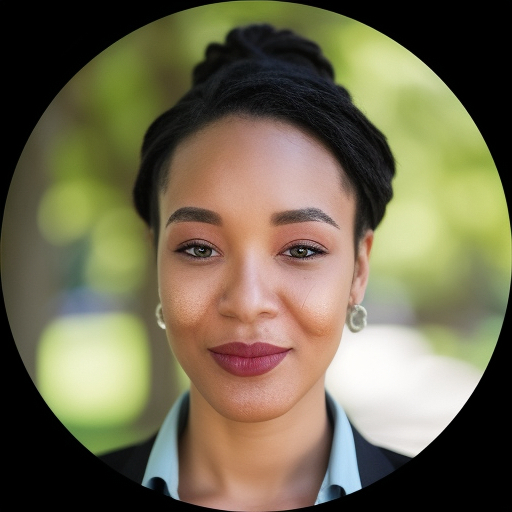
Dr. Farah Ibrahim
CO Psychologist
Compassionate psychologist focusing on attachment and coping
- Stress, Anxiety
- Relationship
- Family
Attachment-based therapy directory
1,041 therapists list sexuality among the things they work with. All offer sessions online, and every profile shows the registering body, the membership number and when it runs to.
This page lists therapists who include sexuality as a specialty, covering topics like desire, intimacy, sexual identity, and relationship dynamics. Each profile highlights approaches, languages, and professional credentials so you can compare options. Browse the listings below to review therapist profiles and learn more about their areas of focus.
CO Psychologist
Compassionate psychologist focusing on attachment and coping
LPCC, LPC
Compassionate therapist focused on relationships and growth
LMHC
Practical support for stress and attachment
LPC, LPCC
Gentle, practical help for deep emotional work
LMHC
Compassionate counselor focused on attachment and coping
LPC
Calm, practical help for attachment and life stressors
LMHC, LCPC
Practical support for stress and life change
LCSW
Practical, warm therapy for attachment and stress
LPC, LPCC
Practical therapy for stress and relational healing
LMHC
Calm, practical support for lasting change
LCMHC
Support for stress, loss, and relationship strain
LCSW, LCSW-R
Compassionate support for emotional recovery
LPC
Grounded, practical counseling for overwhelmed adults
LCSW
Practical, compassionate therapy for life transitions
LISW, LCSW, CSW
Compassionate clinical social worker focusing on attachment
LICSW, LCSW, CSW
Supportive therapy for life transitions and attachment
LCPC
Compassionate therapist for clearer self-talk
NY Psychoanalyst
Experienced psychoanalyst focusing on attachment and coping
LMSW
Attachment-informed social worker focused on life changes
LICSW
Calm, experienced therapist focused on relationships
LCSW
Experienced LCSW focusing on attachment and life changes
LMHC
Compassionate LMHC focusing on attachment and connection
LPC
Calm, practical care for emotional challenges
LCSW
Attachment-informed LCSW offering steady support
LPC
Compassionate counselor focused on attachment and recovery
LCSW, CSW
Healing through attachment and practical tools
LPC
Experienced counselor focused on connection and coping
LCSW
Practical, strengths-based therapy for adults
MD, LCSW-C, LCSW
Experienced clinician combining medical and social work perspectives
LCSW
Helping people through stress and relationship strain
LCSW
Seasoned LCSW helping with life transitions
LPC
Warm LPC blending attachment and skills-based care
MD, LCPC
Compassionate counselor focusing on attachment and coping
LMFT
Attachment-minded LMFT offering practical support
LPC-MHSP
Therapist focused on real-life change
LMHC
Compassionate counselor blending attachment and practical skills
LCMHC
Compassionate counselor focused on attachment and recovery
LPC
Compassionate counselor helping steady emotions and relationships
LPC
Supportive counselor focused on relationships and coping
LMHC
Experienced counselor focused on attachment and practical skills
LCPC
Compassionate care for lasting emotional change
Some links on this page are partner links. We will earn a commission if you sign up through one, at no cost to you. It does not change what you pay or the order of the listings.
Sexuality is a broad part of human experience that touches desire, expression, orientation, identity, behaviors, and the ways you relate to others. It is shaped by biology, personal history, culture, values, and relationships. For some people sexuality feels integrated and comfortable, while for others it can be a source of confusion, conflict, or distress. You might think of sexuality as one axis of your life that intersects with mental health, physical well-being, and partnership dynamics.
When sexuality is out of sync with your expectations or your relationship needs, it can influence mood, self-esteem, and daily functioning. Difficulties can arise at any age and in many forms - from changes in desire, differences with a partner, questions about identity, to responses after a sexual trauma or medical event. Therapy that focuses on sexuality is designed to help you explore these experiences, build understanding, and develop practical ways to move forward that align with your values and goals.
You might consider a therapist who focuses on sexuality if you notice persistent worry, confusion, or conflict related to sexual topics that interfere with your relationships or sense of self. Examples include ongoing mismatch in desire with a partner, distress about sexual orientation or gender identity, difficulty with arousal or orgasm, anxiety tied to sexual performance, or lingering effects from past sexual trauma. These concerns often coexist with shame, avoidance, or communication breakdowns that make it hard to resolve them on your own.
Therapy can also be helpful if you are navigating a change that affects your sexual life - such as a health condition, medication side effects, or a transition in relationship structure. You do not need a crisis to seek support; many people engage with a sexuality-focused therapist to learn new skills for intimacy, to improve communication with a partner, or to deepen self-acceptance. If sexual concerns feel confusing, overwhelming, or simply hard to talk about with friends or partners, a therapist who lists sexuality among their specialties can provide a focused space to explore what matters to you.
When you begin working with a sexuality therapist, the first sessions generally focus on understanding your history, the current concerns, and your goals. You and the therapist will discuss what you hope to change or understand better, any medical or relationship context, and what feels safe and comfortable to discuss. Therapy tends to be collaborative - you and the therapist will shape the pace and the topics based on your needs. Discussion often includes education about sexual response and relationship patterns, exploration of emotions and beliefs, and practice of new ways to communicate or experience intimacy.
Therapists who specialize in sexuality typically integrate talk-based work with experiential assignments you can try between sessions. These may include communication exercises with a partner, mindfulness or body-awareness practices, or graded exposure to anxiety-provoking situations. Progress is measured by changes that matter to you - greater ease in sexual expression, improved desire balance in a relationship, or reduced distress around identity issues. You should expect direct but respectful conversation about sexual behaviors and feelings, and an emphasis on consent and mutual respect in any recommended exercises.
Therapists use a range of approaches when addressing sexuality, and many combine methods to match your particular situation. Some therapists draw from cognitive-behavioral approaches to help you identify and change unhelpful thoughts and behaviors that maintain sexual anxiety. Others use psychodynamic perspectives to explore how early relationships and internalized messages shape your sexual patterns. There are also therapists who list sensate focus, mindfulness-based sex therapy, or somatic approaches among their methods to help you reconnect with bodily experience and reduce performance pressure.
Couples-oriented models are often used when sexual concerns are shared or shaped by relationship dynamics. These approaches emphasize communication skills, negotiation of desire differences, and restructuring interaction patterns that erode intimacy. There are therapists who list trauma-informed methods among their approaches for people dealing with sexual trauma, focusing on safety and pacing rather than pushing for immediate disclosure or exposure. You may also find clinicians who list endocrine or medical collaboration among their approaches, acknowledging that some sexual challenges intersect with health-related factors. When reviewing profiles, note which approaches therapists list so you can find someone whose methods resonate with your needs.
Online therapy can be an accessible way to work on sexuality-related concerns, particularly if you prefer the convenience of remote sessions or need a therapist who speaks your language or understands your cultural background. In an online session you can expect real-time conversation over video or phone, with opportunities for guided exercises and between-session assignments. Some people find it easier to disclose sensitive material from a familiar setting, while others may prefer in-person sessions for certain experiential work. If you plan to use online therapy, consider where you will be during sessions so you have privacy and minimal interruptions.
When selecting a sexuality therapist, focus on fit rather than assumptions about credentials. Look for profiles that describe experience with issues similar to yours, note the therapeutic approaches they list, and pay attention to language and cultural competence. Consider whether you want a clinician who notes work with individuals, partners, or specific communities. It can be helpful to read how therapists describe their approach to consent, boundaries, and sex-positive or affirmative care. You may also want to choose someone who lists experience addressing related concerns such as anxiety, trauma, or medical transitions, since sexual health often intersects with other areas of life.
Trust your comfort level when you contact a therapist. It is appropriate to ask about their approach to topics that matter to you and whether they have experience with the identity, relationship style, or medical context you bring. Many therapists include short bios or introductory statements in their profiles that give a sense of tone and values. Ultimately, the right match is someone who communicates respect for your goals, listens without judgment, and offers clear options for how you might work together to address the sexual concerns you brought to therapy.