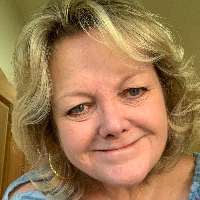
Ka'Tora Dunn
LPCC, LPC
Compassionate therapist focused on relationships and growth
- Stress, Anxiety
- Relationship
- Family
Attachment-based therapy directory
1,426 therapists list Emotionally-Focused Therapy (EFT) among the ways they work. Naming an approach is not evidence of training in it, so ask directly how they use it.
Emotionally-Focused Therapy (EFT) is a structured, attachment-oriented approach that helps people and couples access and transform emotions to improve relationships. Below, browse therapists who list this approach among their methods to find professionals whose focus and experience match your needs.
LPCC, LPC
Compassionate therapist focused on relationships and growth
LIMFT, LPCC
Practical, relational therapy for everyday struggles
LPC, LPCC
Practical, attachment-aware counseling for life changes
LPC
Compassionate counselor helping people rebuild connection
LMHC
Practical support for stress and attachment
LCSW
Attachment-informed care for life's hard moments
LMFT
Therapist focused on attachment and relationships
LMHC
Compassionate counselor focused on attachment and coping
LPC
Calm, practical help for attachment and life stressors
LMHC
Skilled guide for stress, relationships, and healing
LCSW
Calm, relationship-focused therapy for everyday life
LCSW
Practical, warm therapy for attachment and stress
LPC
Healing attachment and building coping skills
LPC, LPCC
Practical therapy for stress and relational healing
LMHC
Calm, practical support for lasting change
LCSW, LCSW-R
Compassionate support for emotional recovery
LMHC
Practical, steady support for life’s hard moments
LPC
Calm practical counseling focused on relationships
LCSW
Attachment-focused therapist helping with anxiety and trauma
LCSW
Practical, compassionate therapy for life transitions
LISW, LCSW, CSW
Compassionate clinical social worker focusing on attachment
LCMHC
Compassionate counselor for life transitions
LMFT
Compassionate, practical therapy for attachment and mood concerns
LICSW, LCSW, CSW
Supportive therapy for life transitions and attachment
LCPC
Compassionate therapist for clearer self-talk
NY Psychoanalyst
Experienced psychoanalyst focusing on attachment and coping
MD, LCSW-C
Compassionate, practical therapy for life changes
LISW
Compassionate attachment-focused social worker
LMSW
Attachment-informed social worker focused on life changes
LICSW
Calm, experienced therapist focused on relationships
LMHC
Experienced attachment-informed counselor
LPC
Compassionate counseling for complex emotions
LMHC
Compassionate LMHC focusing on attachment and connection
LPC
Compassionate counselor focused on attachment and recovery
LPC
Therapist offering steady, compassionate support
LMHC
Compassionate counselor blending attachment and practical skills
LPC
Experienced counselor focused on connection and coping
IL Psychologist
Experienced psychologist focusing on attachment and relationships
LPCC
Helping people rebuild stable relationships and coping skills
LCSW
Practical, strengths-based therapy for adults
MD, LCSW-C, LCSW
Experienced clinician combining medical and social work perspectives
LICSW
Compassionate clinician guiding practical change
LMFT
Compassionate therapist for relationship and stress concerns
Some links on this page are partner links. We will earn a commission if you sign up through one, at no cost to you. It does not change what you pay or the order of the listings.
Emotionally-Focused Therapy (EFT) emerged from decades of research into attachment theory and adult relationships. At its core, EFT assumes that emotional experiences and attachment needs shape how people relate to themselves and to others. The approach emphasizes that emotions are not problems to be fixed but important sources of information and pathways to change. In practice, EFT aims to help you identify recurring emotional patterns, access underlying feelings that may be hidden or avoided, and shape new ways of responding within relationships.
EFT is organized around a few key principles. First, attachment matters - your patterns of seeking comfort, closeness, or protection with important people are central to how you experience distress. Second, emotions are seen as adaptive signals that guide attention to unmet needs. Third, the therapeutic relationship is used as a corrective relational experience where new interactions can be formed. Therapists who list EFT among their approaches typically focus on creating an environment where deep emotional exploration and new relational experiments can unfold in a stepwise, intentional way.
You are most likely to encounter EFT in work related to relationships and emotional regulation. Couples often seek EFT when they feel stuck in patterns of withdrawal and blaming, when trust has eroded, or when intimacy has diminished. The approach is oriented toward helping partners understand how their interactions activate old attachment wounds and how new patterns of emotional engagement can restore connection.
Beyond couples work, EFT is used with individuals who are working through grief, loss, or persistent emotional states that feel overwhelming or numbing. You might turn to EFT if you want to understand why certain emotions trigger strong reactions, or if you notice that old attachment patterns continue to influence how you respond to stress and closeness. Therapists who list EFT among their approaches may apply its principles to help you reprocess painful emotions, develop more flexible responses, and build more satisfying relationships.
When you attend an EFT session, expect a combination of emotional exploration and relational focus. Sessions generally move through phases where you and the therapist identify patterns, access core feelings beneath surface reactions, and experiment with new ways of interacting. Early sessions often concentrate on mapping the repeating cycles that cause distress - for couples this might be a loop of pursuit and withdrawal, and for individuals it may look like chronic avoidance or self-criticism that follows emotional triggers.
As sessions progress, your therapist will invite you to tune into bodily sensations, name emotions, and express vulnerable needs in the moment. This experiential emphasis is designed to deepen your understanding of what you feel and why. For couples, the therapist guides exchanges that allow partners to communicate their deeper feelings and needs more clearly, while for individuals the therapist helps you access and transform emotional states in-session. Sessions are purposeful and collaborative - you are encouraged to notice what emerges, to reflect on interactions, and to practice new responses outside of therapy.
EFT distinguishes itself by combining attachment theory with experiential techniques that focus on emotion as the primary agent of change. Compared to cognitive approaches that prioritize thoughts and behavioral strategies, EFT places greater emphasis on the felt experience - the sensations, images, and core feelings that often underlie thoughts. That is not to say that thoughts and behaviors are ignored - they are considered important - but EFT often works by helping you access and reshape deeper emotional experiences that drive those thoughts and behaviors.
Relative to psychodynamic approaches, EFT tends to be more structured and present-focused. While both perspectives value relational patterns and past experiences, EFT typically centers on current emotional processes and the immediate therapeutic interaction as tools for change. Compared to systemic or family therapies that map interactional dynamics among multiple people, EFT remains focused on how attachment needs and emotional responses operate within the primary relationship or within the individual, although EFT therapists do consider broader relational systems in their work.
If you are motivated to understand and change your emotional responses and relational patterns, EFT can be a good fit. The approach can suit people who want to deepen intimacy with a partner, heal after relational ruptures, or develop greater access to vulnerable emotions. You may find EFT helpful if you notice repetitive cycles of conflict, persistent avoidance of closeness, or long-standing difficulties with emotional expression. Because EFT focuses on emotional experience, it tends to work best when you are willing to explore feelings in-session and to try different ways of communicating with others.
There are situations where you should take additional factors into account. If you are experiencing severe crisis, acute safety concerns, or needs that require specialized medical intervention, you should seek the appropriate urgent support first. When relationship issues are entangled with complex external stressors, such as legal disputes or substance-related problems, EFT may still be part of a broader plan of care coordinated with other professionals. A therapist who lists EFT among their approaches can often describe how they adapt the method for different contexts and how they collaborate with other providers when needed.
Searching for a therapist who lists EFT among their approaches involves more than the label itself. Start by reading therapist profiles to see how they describe their focus areas, the populations they work with, and the kinds of relationship or emotional issues they emphasize. Look for language that aligns with your goals - whether you are seeking couples work, individual emotion-focused therapy, or help with grief or attachment-related trauma. Profiles that include information about session formats, languages spoken, and general professional background can also help you narrow choices.
When you contact a therapist, consider asking how they integrate EFT in their work and what an initial phase of therapy typically looks like. You might inquire about their experience working with issues similar to yours and how they approach building emotional safety in sessions. Rather than focusing on certifications, pay attention to how clearly they explain their approach and whether their description resonates with your needs. Comparing focus areas, clinical approaches, credentials, languages, and years of experience can give you a practical sense of fit.
Finally, trust your sense of comfort in the first few conversations. Finding the right therapist often involves both objective criteria and an intuitive sense that the person you speak with understands your concerns and communicates in a way that feels respectful and hopeful. Therapists who list EFT among their approaches bring an attachment- and emotion-centered lens that can be especially useful when you want to change how you relate to yourself and to others. Use profiles and initial conversations to identify a professional whose style and focus align with the changes you want to make.