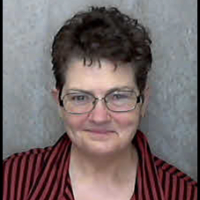
Dr. Farah Ibrahim
CO Psychologist
Compassionate psychologist focusing on attachment and coping
- Addictions
- Stress, Anxiety
- Relationship
Attachment-based therapy directory
1,726 therapists list addictions among the things they work with. All offer sessions online, and every profile shows the registering body, the membership number and when it runs to.
This page lists therapists who focus on addictions and related behavioral concerns. Browse the profiles below to review approaches, credentials, languages, and focus areas.
CO Psychologist
Compassionate psychologist focusing on attachment and coping
LPC
Compassionate counselor helping people rebuild connection
LMHC
Practical support for stress and attachment
LPC, LPCC
Gentle, practical help for deep emotional work
LMHC
Compassionate counselor focused on attachment and coping
LMFT
Compassionate LMFT focusing on attachment and healing
LPC
Compassionate counseling for stronger relationships
LCSW
Calm, relationship-focused therapy for everyday life
LMHC, LCPC
Practical support for stress and life change
LCSW
Practical, warm therapy for attachment and stress
LPC, LPCC
Practical therapy for stress and relational healing
LMHC
Calm, practical support for lasting change
LCMHC
Support for stress, loss, and relationship strain
LMHC
Practical, steady support for life’s hard moments
LPC
Calm practical counseling focused on relationships
LPC
Grounded, practical counseling for overwhelmed adults
LCSW
Calm, practical support for life’s hard turns
LISW, LCSW, CSW
Compassionate clinical social worker focusing on attachment
LCSW
Clear, practical help for emotional challenges
LCSW
Supportive social worker focused on relationships and coping
LCSW
Therapist focused on attachment and practical support
MD, LCSW-C
Compassionate, practical therapy for life changes
LCSW
Calm, practical support for emotional and relationship strain
LPC
Experienced counselor focused on relationships and healing
LICSW
Calm, experienced therapist focused on relationships
LCSW
Experienced LCSW focusing on attachment and life changes
LMHC
Experienced attachment-informed counselor
LPC
Compassionate counseling for complex emotions
LMHC
Compassionate LMHC focusing on attachment and connection
LPC
Compassionate counselor focused on attachment and recovery
LPC
Therapist offering steady, compassionate support
LCSW, CSW
Healing through attachment and practical tools
LMHC
Compassionate counselor blending attachment and practical skills
LPC
Experienced counselor focused on connection and coping
IL Psychologist
Experienced psychologist focusing on attachment and relationships
LPCC
Helping people rebuild stable relationships and coping skills
LCSW
Practical, strengths-based therapy for adults
MD, LCSW-C, LCSW
Experienced clinician combining medical and social work perspectives
LPC
Compassionate counselor using creativity and attachment insights
LMSW
Experienced Michigan therapist focused on attachment
LMFT, LCMFT
Relationship healing and boundary building
LICSW
Compassionate clinician guiding practical change
MI Psychologist
Compassionate psychologist focused on relationships and resilience
Some links on this page are partner links. We will earn a commission if you sign up through one, at no cost to you. It does not change what you pay or the order of the listings.
Addictions refer to patterns of behavior or substance use that continue despite negative consequences to your health, relationships, work, or daily functioning. They can involve alcohol, prescription medications, illicit drugs, gambling, shopping, food, sex, gaming, or other behaviors that become compulsive. For many people the development of an addictive pattern is gradual - coping strategies that once helped you manage stress may shift into habits that are harder to control. Addiction is shaped by a combination of personal history, stressors, social context, and brain pathways that reinforce reward and habit. People experiencing addictions often describe intense cravings, preoccupation with the activity or substance, difficulty stopping even when they want to, and emotional highs and lows connected to use.
The impact of addiction extends beyond physical effects. You may notice strained relationships, financial stress, legal problems, or declines in work and school performance. Shame and isolation are common responses that can make it harder to reach out for help. Understanding addiction as a pattern rather than a character flaw can make it easier to consider treatment options. Therapy can offer practical tools for managing cravings and triggers, address underlying emotions that feed behavior, and help you rebuild routines and relationships in ways that support healthier choices.
You might benefit from seeking a therapist when the behavior or substance use is causing distress or interfering with your goals. Signs include repeated failed attempts to cut down, spending a lot of time obtaining, using, or recovering from the behavior, and neglecting responsibilities at home, work, or school. If you are using to numb difficult feelings, to avoid problems, or to cope with trauma, therapy can help you develop alternatives. You may also notice withdrawal symptoms when you stop, persistent cravings, or risky behaviors undertaken while under the influence.
Emotional indicators that therapy may be helpful include growing anxiety, depression, or irritability related to use, recurring thoughts about the activity, or repeated cycles of promising to change and then returning to old patterns. Family members and friends may express concern or set boundaries, which can be a motivating moment to explore professional support. Even if you are unsure whether your experience qualifies as an addiction, talking with a clinician who focuses on addictions can clarify your options, provide a nonjudgmental assessment, and suggest practical next steps that fit your life.
When you begin therapy for addictions you can expect an initial assessment that explores your history with substances or behaviors, current triggers, physical health, mental health, and social supports. The clinician will usually ask about patterns of use, efforts you have made to change, and the impact on relationships and daily life. This assessment is the foundation for a treatment plan that reflects your goals - whether that means reducing harm, managing cravings, stopping use, or addressing co-occurring concerns like anxiety or trauma.
Early sessions often focus on building rapport, understanding what motivates you, and identifying immediate safety concerns. You and the therapist will discuss concrete strategies for managing high-risk situations and for coping with urges. As therapy progresses you can expect both practical skill-building and exploration of underlying emotional or relational factors. Skills might include techniques to handle cravings, behavioral changes to reduce exposure to triggers, and communication strategies to repair relationships affected by addiction. Over time many people work on building routines and supports that reinforce recovery goals and on restoring roles or activities that provide meaning beyond the addictive behavior.
Therapy is typically collaborative. You and the therapist set goals together and adjust the plan based on what works for you. Some people benefit from short-term focused interventions to manage a crisis, while others prefer longer-term therapy that addresses trauma, mood disorders, or relational patterns linked to addiction. If medications or medical care may be helpful, a therapist will encourage coordination with a physician or psychiatrist. You should expect practical homework between sessions and a focus on measurable steps you can take in daily life to reduce harm and support change.
There is no single approach that fits everyone. Therapists often combine methods to match your needs and preferences. Cognitive-behavioral approaches focus on identifying unhelpful thoughts and behaviors and replacing them with alternatives that support change. You may work to map triggers, learn coping strategies for cravings, and practice decision-making in high-risk moments. Motivational approaches prioritize your own reasons for change and build momentum by linking actions to values and goals. These approaches help when you feel ambivalent or uncertain about changing.
Some therapists emphasize family or couples work when relationships play a central role in the pattern. Family-focused therapy can help repair communication, set healthy boundaries, and involve supportive people in your plans for change. Others incorporate relapse prevention frameworks that treat setbacks as learning opportunities rather than failures, helping you recognize early warning signs and create a plan for recovery. You may also find therapists who list EMDR among their approaches to address trauma-related issues that overlap with addictive behavior, or who list mindfulness-based approaches to help you observe urges without acting on them. If medication-assisted options are appropriate for a particular substance, that is typically managed by medical professionals in coordination with therapeutic care.
Online therapy for addictions operates much like in-person care in terms of goals and techniques, but the interactions happen over video, phone, or text-based messaging. You can use online sessions to conduct assessments, learn coping skills, run through role-plays for difficult conversations, and receive ongoing support between appointments. Some people find that meeting from home makes it easier to attend regularly and to apply strategies in real-life contexts. Therapists who work online may offer different session formats and can coordinate with local medical providers if medications or lab tests are needed.
When using online care you should plan to be in a quiet setting where you can speak openly, with a reliable internet connection and a device that supports video if possible. If there are legal or safety factors in your situation, a clinician will explain how they handle those matters, including how to reach local emergency resources if necessary. Online work also allows you to access clinicians who list specific approaches or language skills that match your needs, even if they are located in a different area.
Start by clarifying what you want from therapy - whether it is abstinence, harm reduction, rebuilding relationships, or addressing trauma that contributes to use. Look for therapists who list experience with your specific concern and who describe their approach in ways that resonate with you. Pay attention to credentials and specialties, but also to practical factors such as language, cultural competence, age or population focus, and therapeutic style. If you prefer a family-centered approach, seek someone who lists family therapy among their offerings. If you want skills-based work, look for clinicians who mention cognitive-behavioral methods or relapse prevention.
When reviewing profiles, note whether a therapist mentions collaboration with medical professionals if medication-assisted options might be relevant. Consider whether you want a therapist who works with community supports, peer groups, or recovery programs as part of a broader plan. Finally, trust your instincts about fit - a strong therapeutic relationship is a major factor in effective work. If a profile raises questions, reach out to inquire about approach, typical session structure, and goals other clients have pursued. That conversation can help you decide whether a clinician's style and focus align with what you need.
Finding help for addiction-related concerns can feel daunting, but many people find that the right therapeutic relationship and a clear plan make meaningful change possible. Use the listings on this page to compare therapists who list addictions as a focus, review the approaches they mention, and identify providers who match your goals and preferences. Taking the first step by exploring options is a practical move toward regaining control and building a life that reflects your values.