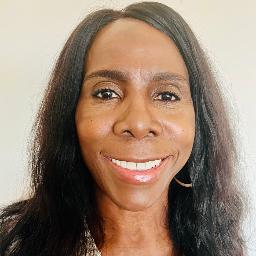
Barry Wasser
LCSW
Calm, relationship-focused therapy for everyday life
- Stress, Anxiety
- Relationship
- Trauma and abuse
Attachment-based therapy directory
67 therapists based in New Jersey name attachment-based therapy among the ways they work. Sessions are online; a therapist can usually only see people in the states where they hold a license, so check the license line on each profile.
Welcome to our New Jersey directory for online therapists. All therapists listed here are licensed in New Jersey; explore profiles to find approaches, languages, and specialties that fit your needs.
LCSW
Calm, relationship-focused therapy for everyday life
LCSW
Practical, relational therapy for life transitions
LPC
Attachment-focused counselor in New Jersey
LCSW
Practical, empathic therapy for major life changes
LICSW, LCSW
Practical, relational therapy with clear next steps
LCSW
Compassionate support for relationship and life struggles
LPC
Experienced bilingual counselor focused on attachment
LPC
Compassionate counselor focusing on relationships and coping
LPC
Compassionate counselor focused on healing and connection
LICSW, LCSW
Compassionate, practical therapy focused on attachment
LCSW
Experienced LCSW focused on attachment and coping
LPC
Experienced counselor focused on attachment and practical change
LPC
Helping people strengthen relationships and cope
LCSW
Practical, nonjudgmental support for intimacy and identity issues
LCSW
Compassionate, practical therapy for attachment and life struggles
LCSW
Attachment-informed LCSW focused on practical change
LCSW
Attachment-informed LCSW focused on practical skills
LPC
Compassionate counselor focused on real-life change
LPC
Compassionate, practical therapy with attachment focus
LPC
Compassionate, practical therapy for attachment and mood
LCSW
Experienced LCSW focused on relationships and coping
LCSW
Compassionate, practical therapy for everyday struggles
LCSW
Compassionate, practical support for everyday struggles
LICSW, LCSW
Compassionate therapist helping people rebuild connection
LPC
Therapist focused on attachment and healing
LCSW
Compassionate LCSW focused on attachment and coping
LICSW, LCSW
Holistic, attachment-focused care for life transitions
LPC
Practical support for stress, relationships, and trauma
LPC
Attachment-informed counselor with practical skills
LMFT
Practical, attachment-informed therapy for everyday struggles
LCSW
Practical support for life transitions
LPC
Compassionate, practical counseling for relationship patterns
LCSW
Calm, practical therapy with attachment insight
LPC
Attachment-aware counselor focused on practical coping
LMFT
Calm, practical therapy for everyday life
LPC
Time to slow down and rediscover purpose
LCSW
Thirty years guiding attachment-focused psychotherapy
LPC
Practical support for family and life transitions
NJ Psychologist
Therapist blending attachment and practical tools
LCSW
Helping adults strengthen relationships and coping skills
LPC
Practical, relationship-aware counseling for everyday life
LPC
Therapist focused on values and practical change
LPC
Practical support for anxiety and life changes
Some links on this page are partner links. We will earn a commission if you sign up through one, at no cost to you. It does not change what you pay or the order of the listings.
Online therapy has become a common option for people across New Jersey, from dense urban neighborhoods to quieter suburban and rural communities. Technology has changed how counseling is delivered, so you can work with a clinician who practices from another county without traveling long distances. New Jersey clinicians who offer online services may include licensed social workers, licensed professional counselors, marriage and family therapists, and psychologists. Their profiles typically list preferred approaches, client populations they work with, languages offered, and the kinds of concerns they address. Because platforms and practice models vary, many therapists describe whether they provide video sessions, phone sessions, or messaging-based support. If you live in New Jersey, you can use teletherapy to widen your options and look for a clinician whose style, experience, and therapeutic interests align with what you need.
The regulatory environment in New Jersey requires that clinicians offering therapy for New Jersey residents hold the appropriate state license. That means when you choose an online therapist who works with New Jersey clients, you are generally looking at practitioners who have met state requirements for licensure. The details of how services are provided can differ based on each clinician’s practice approach and administrative setup. Some clinicians focus on short-term, goal-oriented work while others emphasize longer-term, exploratory therapy. Reviewing clinician profiles and reading how they describe their focus areas will help you understand the kinds of therapeutic relationships they offer.
Online therapy offers practical advantages that can make it easier to prioritize your mental health. You may save time usually spent commuting, which is helpful whether you face traffic in northern New Jersey or have a long drive from a more rural town. Access to virtual sessions can reduce the logistical hurdles of balancing work, family, and appointments. People who prefer meeting from home or another comfortable environment often appreciate being able to select a setting where they feel most at ease, whether that is a quiet room, a car between errands, or another appropriate location.
Having therapy that is not tied to a single office can also expand your options for finding a clinician who understands your cultural background, speaks your language, or has experience with specific life stages and challenges. For example, you might find therapists who list Spanish, Portuguese, or Mandarin among the languages they use in sessions, or clinicians who note experience working with perinatal concerns, adolescent development, or midlife transitions. Because you can consult clinicians from across the state, you have a broader pool to match your needs and preferences. Many people find that the flexibility of teletherapy helps them sustain consistent care over time, making it easier to fit sessions into a busy life.
If you are unsure whether online therapy can address your concerns, many people successfully use virtual sessions for a broad range of emotional, relational, and behavioral matters. Clinicians often work with anxiety and stress related to work, family, or life transitions, and they commonly offer support for depression, grief, and adjustment after major life events. Relationship difficulties - whether involving couples, family dynamics, or challenges with friends and coworkers - are frequently addressed through teletherapy conversations that focus on communication patterns, boundaries, and conflict resolution.
Online therapists also often support people navigating trauma responses, though the specific methods used vary among clinicians. You may find therapists who list EMDR among their approaches, therapists who list cognitive behavioral approaches, and therapists who list attachment-based or psychodynamic perspectives. Some clinicians focus on behaviors such as overeating, substance use, or insomnia by blending practical strategies with exploration of underlying patterns. Others provide coaching-style support for career transitions and performance anxiety. The key is that many presenting problems can be effectively explored through video or phone sessions, and clinicians generally describe in their profiles the types of issues they feel most comfortable addressing.
Verifying a therapist’s license is an important step before you begin working with someone. A license lookup can confirm that a clinician holds the relevant credential in New Jersey and whether there are any active disciplinary actions on record. You can start by asking the clinician for their license type and license number, which most will provide on request. With that information, you can consult the New Jersey professional licensing board's online verification tool to view the license status, license type, and any public disciplinary history. Each type of license - whether for a social worker, professional counselor, marriage and family therapist, or psychologist - is tracked through the appropriate state board, so knowing the license category helps you find the right lookup resource.
When you review a record, look for the license issue date, expiration date, and any public notes about restrictions. Keep in mind that profiles sometimes include academic degrees and professional designations; those are useful context but separate from state licensure. If anything on the record is unclear, you can contact the regulatory board's customer service or the clinician directly for clarification. Verifying licensure is a routine step that helps you feel confident that the clinician meets the statutory requirements to practice with New Jersey residents.
Starting with an online therapist usually begins with a careful review of profiles and a short outreach to ask preliminary questions. You might begin by noting which clinicians describe experience with the issues you are facing, which approaches appeal to you, and which languages they use. When you contact a clinician, it is useful to ask about the session format - whether they primarily use video, phone, or messaging - and any technical requirements such as platform preferences or recommended browsers. You can also ask about typical session length and how they handle session reminders, fees, and insurance billing if that information is important to you. Some therapists provide a brief intake or consultation so you can see whether their style feels compatible before scheduling a full session.
Choosing the right therapist is a personal process that blends practical considerations with interpersonal fit. Start by reflecting on what you want from therapy - do you want focused problem-solving, longer-term exploration, couples work, or support for a specific life stage? Use those priorities to narrow your search. Read clinician profiles to learn how they describe their approach and populations served. Pay attention to language, tone, and how they communicate goals and methods. You might find therapists who list specific modalities among their approaches; that can help you identify clinicians who use methods that resonate with you, while remembering that a listed approach is a description, not a guarantee of outcomes.
Consider cultural and identity factors that matter to you, such as racial, ethnic, gender, or religious background, and look for clinicians who indicate experience or comfort addressing those areas. If scheduling or fees are important, note the practical details in profiles and ask about session logistics early in the conversation. When you meet a potential therapist for the first session, notice how they listen, how they explain their approach, and whether you feel understood. A good match often comes down to how comfortable and respected you feel during initial conversations. If the fit is not right, it is reasonable to keep looking until you find someone whose style and focus align with your needs.
Online therapy in New Jersey offers a flexible route to care that can be tailored to your circumstances. By verifying licensure, clarifying practical details, and focusing on interpersonal fit, you increase the likelihood of a productive therapeutic relationship. Use profiles to gather information about approaches, languages, and client focus, and take the time to ask questions so you can begin work with a clinician who supports the goals you have in mind.