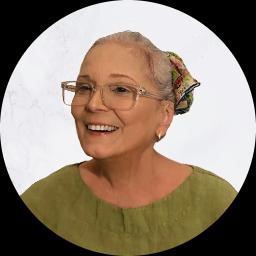
Elizabeth Carter
LMHC
Practical support for stress and attachment
- Stress, Anxiety
- Trauma and abuse
- Parenting
Attachment-based therapy directory
351 therapists based in Florida name attachment-based therapy among the ways they work. Sessions are online; a therapist can usually only see people in the states where they hold a license, so check the license line on each profile.
Welcome to Attachment Therapists' directory for online therapists serving Florida. All therapists listed here are licensed in Florida. Explore profiles to learn about credentials, approaches, languages, and experience to find a good match.
LMHC
Practical support for stress and attachment
LMHC
Compassionate counselor focused on attachment and coping
LMHC
Skilled guide for stress, relationships, and healing
LCSW
Attachment-informed therapist focused on practical change
LMHC
Calm, practical support for lasting change
LCSW, LCSW-R
Compassionate support for emotional recovery
LCSW
Attachment-focused therapist helping with anxiety and trauma
LMHC
Compassionate counselor blending attachment and practical skills
LCSW
Compassionate, practical support for life transitions
LCSW
Compassionate therapist focused on attachment and coping
LMHC
Compassionate, practical support for everyday struggles
LCSW
Practical, attachment-informed therapy for life challenges
LMHC
Steady, practical therapy focused on attachment and values
LMHC
Compassionate, practical support for overwhelmed adults
LCSW
Warm, practical support for attachment and recovery issues
LCSW
Experienced LCSW focused on attachment and coping
LMHC
Practical, attachment-informed care for everyday struggles
LCSW
Compassionate therapist focused on attachment and healing
LMHC
Compassionate listener who helps unpack old relational wounds
LMHC
Experienced LMHC focused on attachment and recovery
LCSW
Practical support for relationship and life stress
LMHC
Compassionate guidance for life and addiction struggles
LMHC
Compassionate therapy grounded in relationships
LMHC
Compassionate, practical counseling for life changes
LCSW
Attachment-informed therapist focused on practical change
LPC, LMHC
Collaborative counselor focused on steady, practical change
LMHC
Calm, practical support for attachment wounds
LCSW
Compassionate LCSW focused on relationship healing
LMHC
Calm, practical support for life’s toughest moments
LCSW
Compassionate support for stress and life changes
LMHC
Therapist focused on attachment and coping
LMHC
Gentle, practical therapy for everyday challenges
LMHC
Compassionate LMHC focusing on attachment and coping
LMFT
Experienced therapist focused on attachment and relationships
LMFT
Compassionate therapist focused on attachment healing
LMFT
Compassionate therapist focused on attachment and relationships
LCSW
Compassionate support for relationship and intimacy concerns
FL Psychologist
Understanding relationships and personal struggle
LCSW
Compassionate Attachment-informed clinical social worker
LMHC
Attachment-informed, practical support for change
LCSW
Compassionate LCSW blending attachment and skills work
LMHC
Compassionate counselor who focuses on attachment
LCSW
Compassionate support for life’s difficult moments
LMFT
Attachment-informed therapist focused on practical change
LCSW
Experienced LCSW focused on attachment and coping
LMFT
Compassionate relational therapy for life’s challenges
Some links on this page are partner links. We will earn a commission if you sign up through one, at no cost to you. It does not change what you pay or the order of the listings.
When you seek online therapy in Florida you will encounter a range of ways therapists deliver care, including video sessions, phone meetings, and messaging-based support. Many clinicians use video as the primary format because it allows face-to-face interaction while you remain in a familiar location. The exact setup varies from clinician to clinician, so you should expect to see differences in session length, communication methods between sessions, and how intake paperwork is handled.
Florida requires that practitioners who provide mental health services to residents hold an appropriate Florida license. That means that a clinician offering online therapy to someone in Florida should be licensed to practice there or be otherwise authorized under applicable rules. Because laws and professional rules evolve, you may want to confirm licensing details before your first session. Technology is a practical consideration as well - a reliable internet connection, a device with a camera and microphone, and a quiet place to talk will make sessions smoother. Keep in mind that online therapy is designed to complement in-person care when needed, and many people begin or continue work with a therapist using remote sessions.
Online therapy increases accessibility for Floridians who live far from urban centers, who travel frequently for work, or who prefer not to commute during peak traffic. If you live in a rural county or an island community, remote sessions can reduce the time and cost of travel while expanding the number of clinicians you can consider. Online formats can also make it easier to find a therapist who speaks your preferred language or who lists experience with specific populations.
For many people the ability to attend sessions from home or another comfortable environment reduces stress and helps them focus on their goals. Flexible scheduling is another plus - remote appointments can often fit into evenings or midday breaks without the need for a lengthy commute. You should also think about how the online format fits with the type of work you want to do. Some people prefer the continuity of seeing the same clinician regardless of travel, while others use online therapy for targeted, time-limited support. Evaluating how a remote format fits with your daily routine and personal comfort will help you make an informed choice.
Online therapists in Florida commonly work with relationship and attachment concerns, anxiety, depression, life transitions such as relocation or career change, parenting challenges, grief, and stress related to caregiving. Many clinicians also support people dealing with trauma symptoms, chronic health adjustments, identity exploration, and workplace stress. The online setting can be an effective place to begin these conversations and to develop coping strategies and communication skills that translate into everyday life.
When you review therapist profiles you will see a variety of theoretical approaches listed. Some therapists list cognitive behavioral therapy among their approaches, others list psychodynamic methods, and you will also find clinicians who list EMDR among their approaches or who list internal family systems among their approaches. It is important to remember that a therapist listing an approach does not itself verify a particular training credential. Use the profile information as a starting point for questions during an initial conversation so you can learn how an approach would be used in your work together.
Verifying a therapist's license helps you confirm that the person you are considering meets the state's professional requirements. In Florida you can look up a practitioner's license status through the state's license verification resources. Enter the clinician's name or license number to see basic details such as license type, active or inactive status, and any public disciplinary history. If the profile lists a title such as licensed mental health counselor, licensed clinical social worker, licensed marriage and family therapist, or licensed psychologist, make sure that title matches the record you find on the state's site.
Pay attention to the license expiration date and any notations about restrictions or orders. If you have questions about what a disciplinary entry means, contact the licensing board directly for clarification. If a therapist is located outside Florida but offers services to Florida residents, check the licensing board rules that apply to out-of-state practice to confirm whether that arrangement is permitted. Knowing how to read the basic license information will give you confidence that the clinician meets the legal standards for practice in Florida.
Begin by clarifying what you want from therapy and what matters most to you in a clinician. Consider whether you prefer a therapist who lists attachment-focused approaches, someone with experience supporting a specific population, a clinician who speaks your language, or a therapist whose cultural background resonates with your identity. Once you have a sense of priorities, read profiles carefully to compare credentials, years of experience, and the types of issues each therapist lists as areas of focus. Keep in mind that profiles are summaries - use the initial contact to ask about how the therapist typically structures online sessions and what an early course of work might look like for your concerns.
When you reach out for an initial conversation you might ask how the therapist typically works with people who present concerns similar to yours, what approaches they most often use, and how they tailor sessions to your goals. You can ask about session length, the format they use for online meetings, payment options and whether they bill insurance, and any technology platforms they prefer. It is also helpful to ask about the therapist's experience working with clients who share important aspects of your background, such as age, cultural identity, relationship status, or caregiving responsibilities. These kinds of questions help you form a realistic expectation of what the first few sessions will involve.
Trust your instincts about personal fit. The first session is often exploratory - a time to assess the therapist's style and whether you feel heard and respected. It is reasonable to try more than one clinician before settling into a longer-term relationship. Practical matters matter too - confirm fees, cancellation policies, and how notes and records are handled so you avoid surprises. With thoughtful preparation you can use the directory listings to find a therapist who aligns with your goals and preferences and begin work in a way that supports your wellbeing and practical needs.