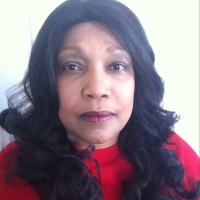
Alona Perlin
LCSW
Practical, warm therapy for attachment and stress
- Stress, Anxiety
- Relationship
- Trauma and abuse
Attachment-based therapy directory
154 therapists based in New York name attachment-based therapy among the ways they work. Sessions are online; a therapist can usually only see people in the states where they hold a license, so check the license line on each profile.
Welcome to Attachment Therapists' directory for online therapists serving New York. All therapists listed here are licensed practitioners - you can explore profiles to compare approaches, credentials, languages, and experience.
Use the listings below to find clinicians who list attachment-focused work among their approaches and who match the practical and clinical needs you have.
LCSW
Practical, warm therapy for attachment and stress
LMHC
Practical, steady support for life’s hard moments
NY Psychoanalyst
Experienced psychoanalyst focusing on attachment and coping
LMHC
Experienced attachment-informed counselor
LICSW, LCSW
Therapist focused on attachment and coping
LMHC
Experienced counselor focused on attachment and practical skills
LMHC
Attachment-focused counselor blending practical therapies
LCSW
Compassionate, practical help for relationship pain
LCSW
Calm, experienced help for lasting change
LMHC
Calm, practical therapy for relationships and mood
LMHC
Relational and action-focused therapy for life changes
LCSW-R
Compassionate, practical guidance for life changes
LMHC
Compassionate, practical therapy for life transitions
LCSW
Compassionate therapy focused on attachment and coping
LCSW
Attachment-informed therapist focused on practical coping skills
LMHC
Compassionate therapist helping people rebuild security
LCSW
Compassionate therapist focused on attachment and growth
LCSW
Compassionate clinician who blends connection and practical steps
LCSW-R
Understanding patterns to steady your day-to-day life
LCSW
Therapist focused on relationships and resilience
LCSW
Skilled, practical therapy for relationship and life stress
LCSW
Compassionate social worker focused on relationships
LMHC
Compassionate, practical support for everyday struggles
LCSW
Practical, attachment-informed therapy for life challenges
LMHC
Warm, practical counseling focused on attachment
LMHC
Compassionate therapist focused on attachment and life change
NY Psychologist
Experienced psychologist blending attachment perspective
LMHC
Therapist focused on attachment and real change
LMHC
Practical, relationship-focused care for everyday struggles
LCSW
Compassionate LCSW guiding practical change
LCSW
Practical support for mood and relationship struggles
LCSW
Compassionate guidance for lasting relational change
LCSW
Compassionate clinician helping you move forward
LMHC
Compassionate guidance for relationship and life challenges
LCSW
Compassionate, connection-focused therapy
LICSW, LCSW
Attachment-informed, person-centered clinical social worker
LCSW-R
Compassionate therapist focused on attachment healing
LMHC
Compassionate counselor for relationship and life change
LCSW
Calm, steady clinician focused on attachment
LCSW
Practical support for stress and relationships
LMHC
Compassionate care for trauma and attachment issues
LCSW
Compassionate LCSW blending attachment and practical tools
LCSW
Compassionate LCSW focused on attachment and coping
LCSW
Compassionate clinician focused on attachment and coping
Some links on this page are partner links. We will earn a commission if you sign up through one, at no cost to you. It does not change what you pay or the order of the listings.
Online therapy in New York has become a widely used option for people seeking counseling, couples work, family therapy, and other forms of mental health support. In recent years the state has adapted regulations to allow licensed practitioners to offer services by video and phone, and many clinicians include remote sessions as part of how they practice. When you search for online therapists in New York you will encounter a range of license types and professional backgrounds - social workers, mental health counselors, marriage and family therapists, psychologists, and other credentialed clinicians who list psychotherapy, attachment-focused approaches, trauma-informed work, or specific methods among their approaches. These professionals work from varied settings and use telehealth technology to connect with clients across the state while following the legal and ethical standards that apply to licensed practice in New York.
Because the landscape of online care continues to evolve, practitioners may describe how they integrate technology into their work differently. Some therapists emphasize relational and attachment-centered frameworks, while others highlight cognitive, somatic, or mindfulness-based elements. You should be able to find descriptions of the ways clinicians approach therapy in their profiles, including the kinds of clients they work with and the populations they serve. That information can help you identify therapists who write about attachment patterns, relational repair, or other areas that matter to you.
One of the most immediate benefits of online therapy is the convenience it offers. You can attend sessions from your home, your workplace, or another location that suits you, which eliminates commute time and can make it easier to keep appointments around work, school, or family obligations. For people living in neighborhoods with limited in-person options or for those who relocate within the state, online therapy can maintain continuity of care without the need to switch clinicians frequently. You can also choose therapists who list approaches and specialties that match your concerns, not just those in your immediate geographic area.
Online therapy expands access to therapists who work with particular issues or who speak languages other than English. If you prefer therapy in Spanish, Mandarin, or another language, or if you are looking for clinicians who mention attachment-focused work, trauma-sensitive approaches, or family systems perspectives, the directory makes it easier to find profiles that align with those preferences. That broader pool increases the likelihood that you will encounter a therapist whose clinical emphasis and communication style suit your needs.
Online therapists in New York commonly work with a wide spectrum of emotional and relational concerns. Many clinicians list experience helping people manage anxiety, depression, grief, and major life transitions. Others emphasize work with trauma-related symptoms, attachment wounds, parenting challenges, relationship distress, and couple dynamics. You may also find therapists who describe approaches for addressing identity-related stress, workplace burnout, chronic health conditions, or life-stage issues such as college adjustment or caregiving stress. If attachment patterns are central to your concern, look for therapists who explicitly reference attachment-informed language in their profiles and who describe how relational history shows up in present-day relationships.
Therapists who list modalities like cognitive-behavioral techniques, systemic family approaches, somatic practices, mindfulness, or narrative work often tailor these methods to fit remote sessions. Some clinicians describe how they adapt interventions for video sessions, how they support couples online, or how they work with families across multiple households. That practical information can help you anticipate what therapy might feel like when conducted remotely and whether the clinician’s described style fits the kind of support you want.
Verifying licensure is a key step when you are selecting a therapist. New York issues licenses through state regulatory bodies that oversee different professions, and the New York State Education Department - Office of the Professions provides an online license verification tool you can use to confirm a clinician's current license status. When you search the database you can usually look up the therapist by name, license type, or license number, and the record will indicate whether the license is active and include the credential abbreviation such as LCSW, LMHC, LMFT, PsyD, or PhD. If a profile lists academic degrees or titles, you can also confirm those credentials through the same public records.
When you verify a license you should pay attention to how the practitioner identifies their license type and any restrictions or disciplinary history that the state record may disclose. If a therapist's profile lists multiple credentials, you can check each one. If you have questions about what a specific credential means or how it relates to the kind of care you want, you can contact the state office for clarification or seek information from professional associations that explain scope of practice for different licenses. Knowing how to navigate the licensing database helps you feel informed and reassured about the regulatory framework that governs practice in New York.
Start by clarifying what you hope to address in therapy. Are you focused on relationship patterns, attachment wounds, stress management, trauma recovery, or life transitions? Identifying a few priorities will help you read profiles with a sharper eye. Use keywords that reflect those priorities and look for therapists who list relevant approaches, populations, languages, and experience in their biographies. If you have preference for certain modalities, remember that profiles indicate which approaches clinicians list, but they do not certify specific training. Look for descriptions of how a therapist describes their work rather than relying solely on modality names.
When you reach out to a therapist for an initial conversation, prepare a short summary of what brought you to therapy and what you hope to achieve. You might note practical considerations such as session length, whether you prefer video or phone, and any accessibility needs. Asking questions about the therapist’s general approach to attachment-related issues, how they structure sessions, and what they emphasise for early work can give you a sense of how they think and whether their style resonates with you. You should also ask about technical aspects of online sessions, such as the platform they use and how they handle records and payment. These are practical details that help shape a good working relationship.
Choosing the right therapist often comes down to how comfortable you feel expressing yourself and whether the therapist’s style matches what you need. Pay attention to how the therapist listens during initial communications and whether they ask questions that reflect curiosity about your story. Consider whether their stated approaches align with your goals, whether their language feels respectful and clear, and whether you can imagine working with them over time. It is normal for the fit to be imperfect at first; some people find that adjustments in goals or communication style improve the relationship. Trust your judgment about what feels helpful and whether the therapist’s explanations of attachment and relational patterns make sense to you.
As you begin sessions you can treat the first few meetings as an opportunity to evaluate how the clinician supports your goals and to discuss how you will measure progress. Setting clear goals together, agreeing on session structure, and talking about what you expect from therapy are practical steps that help you and the therapist stay aligned. If you ever need clarification about anything in the therapeutic process, raise it in session so you can make informed decisions about how to proceed.
Online therapy in New York offers many pathways to meaningful support. By learning how to interpret profiles, verifying licensure through state resources, and preparing for thoughtful initial conversations, you can find clinicians who match the attachment-focused language and therapeutic priorities that matter to you. Use the directory to compare profiles, read clinician statements carefully, and reach out with questions - taking these steps helps ensure that the care you choose fits your needs and context.