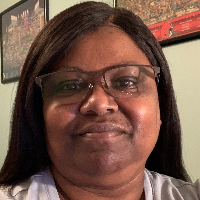
Tanya Morrow, LISW, LCSW
Therapist in Ohio
Tanya Morrow is a licensed clinical social worker with a long career in community mental health and independent practice.
- Licensed inOhio, Arizona
- LicenseI.0700398-SUPV, LCSW-21111
- NPI 1609173707
- Experience39+ years
- LanguagesEnglish
Details are as listed on the therapist's public professional profile. You can check any license with the state board and any NPI with the national registry.
About Tanya
Tanya Morrow is a licensed clinical social worker with a long career in community mental health and independent practice. She holds a Master of Science in Social Administration from Case Western Reserve University and has been practicing since 1982. Tanya now works from Ohio and brings nearly four decades of experience to her sessions.
She describes a practical, person-focused style. Sessions tend to be straightforward and solution-focused. Tanya helps people manage stress, anxiety, depression, mood instability, and trauma-related concerns.
Background and approach
She also supports those dealing with grief, addictions, and major life changes. Tanya often uses approaches that center on connection and present-day coping. Attachment-based ideas and Acceptance and Commitment Therapy show up in her work to help people understand patterns and choose values-driven steps.
Cognitive Behavioral Therapy helps people change unhelpful thoughts and behaviors in daily life. Experience in community settings shaped her work with diverse life stages and complex situations. She has long experience with adoption and foster care issues, abandonment, caregiving stress, chronic illness, and blended family concerns.
She also addresses identity-related issues including LGBT and women’s concerns. Her sessions are practical and goal-minded. Tanya works with adults and people aged 12 and older.
She welcomes discussion about parenting stress, relationship communication, intimacy-related issues, and coping strategies for attention and mood differences. The focus is on clear steps people can use between sessions. Background and approach: In independent practice since 2017, Tanya applies tools such as EMDR, client-centered methods, and CBT alongside attachment-focused work.
She emphasizes collaboration - listening first, then offering techniques that fit each person’s needs. With 39 years of practice she aims to blend evidence-informed methods with down-to-earth skills people can try right away. Sessions may address vocational stress, anger, body image, and codependency while keeping goals simple and achievable.
Credentials
- LISW (Ohio)
- License I.0700398-SUPV · expires October 2027
- LCSW (Arizona)
- License LCSW-21111 · expires December 2026
- NPI
- 1609173707 · national provider identifier
Both are public records. A state board register will confirm a license and its standing, and the national registry will confirm an NPI. This directory copies what the therapist lists and checks neither.
Focus areas and approaches
Everything Tanya lists on their public professional profile, in their own terms.
- Stress, Anxiety
- LGBT
- Trauma and abuse
- Self esteem
- Depression
- Addictions
- Relationship issues
- Family conflicts
- Grief
- Intimacy-related issues
- Parenting issues
- Anger management
- Career difficulties
- Bipolar disorder
- Coping with life changes
- Compassion fatigue
- ADHD
- Abandonment
- Adoption and foster care
- Aging and geriatric issues
- Attachment issues
- Avoidant personality
- BDSM, kink, and alternative sex culture
- Blended family issues
- Body image
- Caregiver issues and stress
- Chronic pain, illness, and disability
- Co-morbidity
- Codependency
- Commitment issues
- Communication problems
- Control issues
- Coping with natural or human-caused disaster
- Dissociation
- Divorce and separation
- Domestic violence
- Drug and alcohol addiction
- Emptiness
- Family of origin issues
- Family problems
- Fatherhood issues
- First responder issues
- Forgiveness
- Gender dysphoria
- Guilt and shame
- HIV / AIDS
- Impulsivity
- Infidelity
- Intellectual disability
- Isolation / loneliness
- Jealousy
- Life purpose
- Midlife crisis
- Veteran and Armed Forces Issues
- Money and financial issues
- Mood disorders
- Multicultural concerns
- Panic disorder and panic attacks
- Polyamory / non-monogamous relationships
- Postpartum depression
- Post-traumatic stress
- Prejudice and discrimination
- Seasonal Affective Disorder (SAD)
- Self-harm
- Self-love
- Sex addiction
- Sexual assault and abuse
- Sexual dysfunction
- Sexuality
- Social anxiety and phobia
- Somatization
- Women's issues
- Workplace issues
- Young adult issues
Approaches Tanya names
- Attachment-Based Therapy
- Acceptance and Commitment Therapy (ACT)
- Client-Centered Therapy
- Cognitive Behavioral Therapy (CBT)
- Eye Movement Desensitization and Reprocessing (EMDR)
- Mindfulness Therapy
- Motivational Interviewing
- Narrative Therapy
- Solution-Focused Therapy
- Trauma-Focused Therapy
Naming an approach is not evidence of training in it. This directory copies what each therapist lists and does not check training records.
Online support
How attachment and action-focused therapies work online
Attachment-based work helps people recognize how early connection patterns affect current relationships and emotional reactions. Online sessions can use discussion and reflective exercises to notice those patterns and practice different responses in daily life.Acceptance and Commitment Therapy, or ACT, focuses on clarifying values and taking committed steps even when feelings are difficult. In online work ACT often uses short experiments and mindfulness practices that people can try between sessions to build meaningful habits.
Cognitive Behavioral Therapy targets unhelpful thoughts and behaviors with concrete exercises and skill-building. Over video or phone, CBT can include thought records, behavioral experiments, and homework that track progress week to week.
Finding the right approach is a collaborative process. The therapist will listen to your goals and preferences, try methods that fit, and adjust based on how things go. Clients and the therapist decide together which tools to keep using and which to change.
Online formats offer practical benefits. Video calls allow face-to-face conversation and visual cues. Phone sessions can be easier when bandwidth is limited or a shorter check-in is needed. Live chat and text messaging support brief updates, homework guidance, or check-ins between sessions. These options make it easier to fit therapy into work, caregiving, and busy schedules.
We will earn a commission if you sign up through our link, at no cost to you. It does not change what you pay or the order of the listings.
Frequently asked
What kinds of problems does she help with?
Tanya works with a wide range of concerns including stress, anxiety, depression, trauma and abuse, addiction, grief, relationship and intimacy-related issues, self-esteem, and life transitions.
What is her general therapy style?
She uses a practical, person-focused approach that combines attachment-informed thinking with cognitive and acceptance-based tools to create clear, usable steps between sessions.
How much clinical experience does she have?
She has 39 years of experience in social work, including long tenure in community mental health and independent practice since 2017.
What credentials and location are on record?
She holds LISW and LCSW credentials and practices from Ohio. The profile lists her as an Ohio-based clinician.
Which languages are supported and can she work internationally?
Sessions are offered in English. She is not accepting international clients at this time.
What session formats does she offer online?
Available formats include video calls, phone sessions, live chat, and text-based messaging to fit different needs and schedules.
How are fees and payment handled?
Costs vary with location and therapist availability; sessions use a subscription model that can be canceled at any time.
How do I begin working with her?
Start by selecting the Start Therapy button, complete a short matching questionnaire, and then schedule sessions according to therapist availability.
More therapists in Ohio
See all
Dr. Ulia Fisher
LIMFT, LPCC
Practical, relational therapy for everyday struggles
- Stress, Anxiety
- Relationship
- Family

Carolyn Faucette
LISW
Compassionate attachment-focused social worker
- Stress, Anxiety
- Relationship
- Grief

Richard Reihing
LPCC
Helping people rebuild stable relationships and coping skills
- Trauma and abuse
- Self esteem
- Depression
Is this your profile?
Ask us to correct details or take the page down.
Contact us