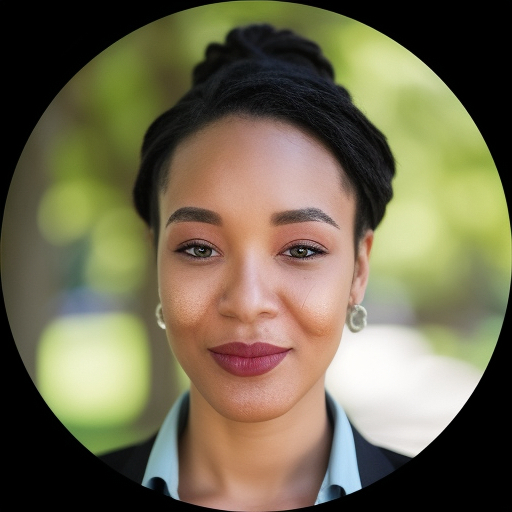
Dr. Farah Ibrahim
CO Psychologist
Compassionate psychologist focusing on attachment and coping
- Stress, Anxiety
- Relationship
- Family
Attachment-based therapy directory
1,329 therapists list body image among the things they work with. All offer sessions online, and every profile shows the registering body, the membership number and when it runs to.
Find therapists who focus on body image concerns, including self-esteem, disordered eating, and embodiment struggles. Browse the listings below to compare approaches, languages, and credentials to find a good match for your needs.
CO Psychologist
Compassionate psychologist focusing on attachment and coping
LIMFT, LPCC
Practical, relational therapy for everyday struggles
LMHC
Practical support for stress and attachment
LMHC
Compassionate counselor focused on attachment and coping
LMFT
Compassionate LMFT focusing on attachment and healing
LCSW
Practical, warm therapy for attachment and stress
LPC
Healing attachment and building coping skills
LMHC
Calm, practical support for lasting change
LCMHC
Support for stress, loss, and relationship strain
LCSW, LCSW-R
Compassionate support for emotional recovery
LMHC
Practical, steady support for life’s hard moments
LPC
Calm practical counseling focused on relationships
LPC
Grounded, practical counseling for overwhelmed adults
LICSW, LCSW, CSW
Supportive therapy for life transitions and attachment
LCPC
Compassionate therapist for clearer self-talk
NY Psychoanalyst
Experienced psychoanalyst focusing on attachment and coping
MD, LCSW-C
Compassionate, practical therapy for life changes
LCSW
Calm, practical support for emotional and relationship strain
LMSW
Attachment-informed social worker focused on life changes
LPC
Experienced counselor focused on relationships and healing
LPC
Compassionate counselor focused on attachment and action
LCSW
Experienced LCSW focusing on attachment and life changes
LMHC
Compassionate counselor for attachment and life change
LPC
Compassionate counseling for complex emotions
LMHC
Compassionate LMHC focusing on attachment and connection
LPC
Calm, practical care for emotional challenges
LPC
Compassionate counselor focused on attachment and recovery
LCSW, CSW
Healing through attachment and practical tools
LMHC
Compassionate counselor blending attachment and practical skills
LPC
Experienced counselor focused on connection and coping
LCSW
Experienced Oregon LCSW focused on attachment and coping
MD, LCSW-C, LCSW
Experienced clinician combining medical and social work perspectives
LPC
Compassionate counselor using creativity and attachment insights
LMFT, LCMFT
Relationship healing and boundary building
LICSW
Compassionate clinician guiding practical change
MI Psychologist
Compassionate psychologist focused on relationships and resilience
LCSW
Compassionate therapist focused on attachment and coping
LPC
Helping people reframe relationships and reactions
LPC
Attachment-focused counselor in New Jersey
LPC
Warm LPC blending attachment and skills-based care
LMFT
Attachment-minded LMFT offering practical support
LPC-MHSP
Therapist focused on real-life change
Some links on this page are partner links. We will earn a commission if you sign up through one, at no cost to you. It does not change what you pay or the order of the listings.
Body image is the way you perceive, feel about, and relate to your physical self. It includes the thoughts you have about appearance, the emotions those thoughts trigger, and the behaviors that follow. For many people body image is shaped by early family attitudes, cultural messages, social media influences, and personal experiences such as illness, injury, or weight change. Because body image touches identity and self-worth, it can influence daily choices from clothing and social activities to eating patterns and how you move through the world.
How body image presents varies widely. Some people experience persistent dissatisfaction with specific features. Others struggle with fluctuating perceptions that shift with mood, stress, or life transitions. For many, body image is entwined with self-esteem and relationships - you might avoid intimacy, social events, or certain types of self-care because of how you feel about your body. Understanding these patterns is the first step toward addressing them, and therapy can offer a focused space to explore the origins and ongoing triggers for those feelings.
You might consider seeking help if your thoughts about your body cause you distress or interfere with everyday life. Common indicators include frequent negative self-talk about your appearance, avoidance of activities or relationships because of how you look, and preoccupation with weight, shape, or perceived flaws that takes up significant time. You may notice emotional signs such as persistent shame, anxiety, or low mood tied to appearance, or behavioral signs such as restrictive eating, compensatory behaviors, or ritualized checking and comparison.
Body image concerns can also show up in less obvious ways. You might overexercise to feel in control, spend considerable energy editing photos or curating your online presence, or feel disconnected from bodily sensations like hunger, fatigue, or pleasure. If you find that appearance-related worries shape major decisions - for example, career choices, relationships, or health care - therapy can help you clarify values, develop coping strategies, and rebuild a more balanced sense of self that is not dominated by body-related fear or shame.
In early sessions you can expect a conversation about your history, the specific body image concerns you want to address, and how these issues show up in daily life. The therapist will typically ask about relationships, eating and exercise patterns, medical or hormonal factors, and any past trauma or events that may be relevant. Together you and the therapist will identify goals that matter to you - whether that is reducing appearance-related anxiety, changing distressing behaviors, increasing body trust, or improving intimacy and social engagement.
Therapy often combines exploration of past influences with practical strategies you can use between sessions. You may work on shifting unhelpful thoughts about appearance, practicing new ways of responding to triggers, and building a more compassionate internal voice. Sessions can include experiential exercises to help you reconnect with bodily sensations, role-play for difficult conversations, and mindful practices to reduce reactivity. The pace is collaborative - you and the therapist will regularly check in on whether the work matches your goals and adjust approaches as needed.
Between-session practices are a common part of the work because changing body image patterns typically requires repeated practice. This might include journaling about body-related thoughts, experimenting with different self-care routines, challenging avoidance behaviors in small steps, or practicing grounding techniques. As you progress, you should notice shifts in how often negative body thoughts occur, the intensity of emotional reactions, and your willingness to engage in life activities that previously felt off-limits.
Therapists use a range of approaches to address body image, and many professionals list multiple methods among their approaches. Cognitive behavioral approaches focus on identifying and restructuring unhelpful thoughts and beliefs about appearance and testing those beliefs through behavior. Acceptance-based approaches, such as acceptance and commitment therapy, emphasize noticing difficult thoughts and feelings without letting them dictate actions, and anchoring treatment in personal values beyond appearance.
Mindfulness and somatic practices aim to rebuild connection with bodily sensations so you can move away from critical self-evaluation and toward present-moment awareness. Narrative work helps you explore and rewrite the stories you carry about your body, often illuminating cultural and relational influences that shaped those narratives. Some therapists include compassion-focused work to reduce shame and cultivate a kinder inner voice. You may also encounter therapists who list modalities like dialectical behavior therapy, internal family systems, or EMDR among their approaches for addressing trauma-related body image concerns; when you see these listed, it signals the therapist may draw on that framework as part of a broader plan rather than proof of formal certification.
Online therapy can be an effective format for addressing body image because it expands access to professionals who specialize in this area, including those who offer services across geographic regions and language preferences. Sessions typically occur by video, phone, or messaging platforms, and you can often choose the format that feels most comfortable for you. Video sessions allow for face-to-face interaction and visual cues, which can be useful when discussing body-related experiences. Messaging or audio options can feel less exposing for some people and may support more gradual engagement.
When you begin online therapy, consider your environment - choose a quiet, personal place where you feel able to focus and express yourself. If you have concerns about technology or platform features, ask about the therapist's privacy practices and how they handle records and communications. Online work also opens possibilities for between-session support, such as brief check-ins or resources shared digitally, though the frequency and nature of contact vary by clinician. For many people, the flexibility of online therapy makes it easier to maintain consistent sessions while balancing work, family, and other commitments.
Start by clarifying what you want from therapy. Are you looking to reduce anxiety about appearance, heal from trauma that affects how you experience your body, or change behaviors like disordered eating or avoidance? Once you know your priorities, review therapist profiles to compare their focus areas, languages, and the approaches they list. Pay attention to whether a therapist mentions experience with body image, eating concerns, gender and sexuality issues, or cultural competence if those areas matter to you.
When you contact a prospective therapist, prepare questions that help you evaluate fit. You might ask how they conceptualize body image work, what a typical session looks like, and how they measure progress. Inquire about practical matters such as session length, fee structure, and whether they accept your insurance or offer sliding scale options. Cultural sensitivity and lived experience can be important - consider whether you want someone who shares or understands aspects of your identity, including racial or ethnic background, body size, disability status, or gender identity. Finally, trust your instincts: match often depends on the therapeutic connection, and it is reasonable to look for a therapist whose style and communication feel respectful and validating of your experience.
Addressing body image is a gradual process that asks you to work with your thoughts, feelings, and behaviors in a new way. Therapy offers tools to reduce shame, increase bodily trust, and expand the sense of self beyond appearance. Use the listings below to explore profiles and approaches so you can identify professionals who align with your goals and values. Taking that first step can open a path to a more balanced relationship with your body over time.