- Licensed inFlorida, Utah
- LicenseMH15996, 12801547-6004
- NPI 1487145777
- Experience12+ years
- LanguagesEnglish
Details are as listed on the therapist's public professional profile. You can check any license with the state board and any NPI with the national registry.
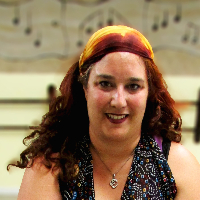
About Jenenne
Dr. Jenenne Valentino-Bottaro helps people who are burned out, anxious, grieving, or recovering from trauma find steadier ground. She works with concerns like addiction, eating problems, low self-esteem, stress, and mood struggles.
She introduces ways to cope that fit each person’s life and goals. With 12 years of clinical experience, she draws on several established methods to guide sessions. Her style is warm and interactive and she aims to treat people with respect and compassion.
Background and approach
She avoids stigmatizing labels and focuses on practical steps forward. She often uses Attachment-based ideas to look at how early relationships shape current patterns. She also uses Acceptance and Commitment Therapy and Client-Centered approaches to help people notice what matters and act on those values.
Cognitive Behavioral Therapy and Dialectical Behavior Therapy tools are used when skills training or thinking patterns are a focus. Her background includes work with complex trauma, early childhood development wounds, eating disorders, and co-occurring issues like process addictions. She also addresses concerns linked to adoption, abandonment, caregiver stress, chronic illness, and body image.
Sessions are adapted to each person rather than following a fixed template. Dr. Valentino-Bottaro holds LMHC and LCMHC credentials and practices in Florida.
She offers video calls, phone sessions, live chat, and text-based messaging so people can choose what fits their routine and comfort.
Credentials
- LMHC (Florida)
- License MH15996 · expires March 2027
- LCMHC (Utah)
- License 12801547-6004 · expires September 2026
- NPI
- 1487145777 · national provider identifier
Both are public records. A state board register will confirm a license and its standing, and the national registry will confirm an NPI. This directory copies what the therapist lists and checks neither.
Focus areas and approaches
Everything Jenenne lists on their public professional profile, in their own terms.
- Trauma and abuse
- Grief
- Eating disorders
- Self esteem
- Compassion fatigue
- Stress, Anxiety
- Addictions
- LGBT
- Relationship issues
- Family conflicts
- Intimacy-related issues
- Sleeping disorders
- Parenting issues
- Anger management
- Career difficulties
- Bipolar disorder
- Depression
- Coping with life changes
- Coaching
- ADHD
- Abandonment
- Adoption and foster care
- Attachment issues
- Autism and Asperger Syndrome
- Body image
- Caregiver issues and stress
- Chronic pain, illness, and disability
- Codependency
- Communication problems
- Coping with natural or human-caused disaster
- Drug and alcohol addiction
- Eating and food-related issues
- Emptiness
- Family problems
- Forgiveness
- Intellectual disability
- Isolation / loneliness
- Life purpose
- Mood disorders
- Polyamory / non-monogamous relationships
- Postpartum depression
- Post-traumatic stress
- Seasonal Affective Disorder (SAD)
- Self-love
- Sexual assault and abuse
- Sexuality
- Somatization
- Traumatic brain injury
- Women's issues
- Workplace issues
- Young adult issues
Approaches Jenenne names
- Attachment-Based Therapy
- Acceptance and Commitment Therapy (ACT)
- Client-Centered Therapy
- Cognitive Behavioral Therapy (CBT)
- Dialectical Behavior Therapy (DBT)
- Eye Movement Desensitization and Reprocessing (EMDR)
- Jungian Therapy
- Mindfulness Therapy
- Motivational Interviewing
- Narrative Therapy
- Psychodynamic Therapy
- Solution-Focused Therapy
- Somatic Therapy
- Trauma-Focused Therapy
- Internal Family Systems
Naming an approach is not evidence of training in it. This directory copies what each therapist lists and does not check training records.
Online support
How therapeutic approaches translate to online care
Attachment-based work looks at patterns that began in early relationships and how they affect current connection and trust. Online sessions can use this perspective to identify relational triggers and try new ways of relating in everyday life. Acceptance and Commitment Therapy (ACT) focuses on clarifying values and taking actions that matter despite hard feelings; it helps with anxiety, depression, and life transitions by teaching practical exercises people can apply between sessions. Client-Centered Therapy centers the person’s own goals and experience, offering a nonjudgmental space where the therapist listens and follows the client’s lead.Finding the right approach is part of the work together. The therapist discusses goals, preferences, and what has helped or not helped before, and then tailors methods to fit the person’s needs. This collaborative stance means strategies may shift as progress is made.
Online formats include video calls, phone sessions, live chat, and text-based messaging. Video lets people use visual cues and practice interpersonal skills, phone calls are useful when bandwidth is limited or for shorter check-ins, live chat is handy for real-time conversation without audio, and text messaging supports brief updates or coaching between sessions. These options make it easier to fit therapy into work, caregiving, or busy schedules while using the chosen therapeutic approaches.
We will earn a commission if you sign up through our link, at no cost to you. It does not change what you pay or the order of the listings.
Frequently asked
What kinds of concerns does this clinician help with?
She addresses a wide range of issues including trauma and abuse, grief, eating and body image problems, addictions, anxiety, depression, and stress-related concerns.
What is her overall therapeutic style?
Her approach is warm and interactive and she emphasizes respect and compassion. She uses an integrative method that tailors sessions to each person's needs.
How much clinical experience does she have?
She has 12 years of clinical experience working with complex trauma, eating disorders, co-occurring conditions, and related concerns.
What credentials and location are listed for this therapist?
She holds LMHC and LCMHC credentials and practices in Florida with licensure noted as FL LMHC and UT LCMHC.
Which languages are supported for sessions?
Sessions are offered in English only.
What session formats are available for working together?
She offers video calls, phone sessions, live chat, and text-based messaging to accommodate different preferences and schedules.
How are costs and billing handled?
Session cost varies with location and therapist availability and uses a subscription model that can be canceled at any time.
What are the first steps to begin therapy?
Start by selecting the Start Therapy button, complete a short matching questionnaire, and then schedule sessions according to the therapist's availability.
More therapists in Florida
See all
Elizabeth Carter
LMHC
Practical support for stress and attachment
- Stress, Anxiety
- Trauma and abuse
- Parenting
Sophia Mas
LMHC
Compassionate counselor focused on attachment and coping
- Stress, Anxiety
- Relationship
- Family
Tomeccia Maxwell
LMHC
Skilled guide for stress, relationships, and healing
- Stress, Anxiety
- Relationship
- Family
Is this your profile?
Ask us to correct details or take the page down.
Contact us