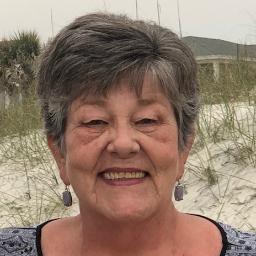
Sharon Clark, LCSW
Therapist in Kentucky
Sharon Clark is a licensed clinical social worker with more than 22 years of practice.
- Licensed inKentucky
- License3851
- NPI 1396828885
- Experience22+ years
- LanguagesEnglish
Details are as listed on the therapist's public professional profile. You can check any license with the state board and any NPI with the national registry.
About Sharon
Sharon Clark is a licensed clinical social worker with more than 22 years of practice. She helps people facing depression, anxiety, addiction, trauma, relationship and intimacy concerns, and struggles with parenting, grief, or career stress. Sharon aims to make therapy clear and practical for people who are worried or overwhelmed.
She takes a straightforward and conversational approach in sessions. Sharon listens first, then helps clients notice patterns that cause pain.
Background and approach
She uses gentle coaching and collaborative problem solving so people can try new ways of relating and coping between sessions. Her background includes lengthy work as a substance abuse counselor and many years supporting people with mood and stress disorders. That mix gives her both clinical skills and practical life experience to draw on in conversations about recovery and relapse prevention.
Sharon integrates Attachment-based ideas with Acceptance and Commitment Therapy and cognitive behavior strategies to address emotions, thoughts, and relationships. She also uses client-centered and emotionally-focused methods to strengthen connection and build trust in the therapy room. Sessions are offered from Kentucky and are conducted in English.
Sharon is comfortable working by video, phone, live chat, or text messaging, and she aims to be flexible around work or school schedules. If someone wants a frank, steady clinician who blends real-world experience with established therapy approaches, Sharon may be a good fit.
Credentials
- LCSW (Kentucky)
- License 3851 · expires December 2028
- NPI
- 1396828885 · national provider identifier
Both are public records. A state board register will confirm a license and its standing, and the national registry will confirm an NPI. This directory copies what the therapist lists and checks neither.
Focus areas and approaches
Everything Sharon lists on their public professional profile, in their own terms.
- Addictions
- LGBT
- Relationship issues
- Trauma and abuse
- Depression
- Stress, Anxiety
- Family conflicts
- Grief
- Intimacy-related issues
- Parenting issues
- Anger management
- Self esteem
- Career difficulties
- Bipolar disorder
- Coping with life changes
- Compassion fatigue
- ADHD
- Abandonment
- Aging and geriatric issues
- Avoidant personality
- Caregiver issues and stress
- Co-morbidity
- Codependency
- Commitment issues
- Communication problems
- Control issues
- Dependent personality
- Divorce and separation
- Domestic violence
- Emptiness
- Family of origin issues
- Family problems
- First responder issues
- Forgiveness
- Gender dysphoria
- Guilt and shame
- HIV / AIDS
- Impulsivity
- Infidelity
- Isolation / loneliness
- Jealousy
- Life purpose
- Men's issues
- Midlife crisis
- Veteran and Armed Forces Issues
- Mood disorders
- Multicultural concerns
- Panic disorder and panic attacks
- Paranoia
- Post-traumatic stress
- Prejudice and discrimination
- Self-love
- Sexual assault and abuse
- Social anxiety and phobia
- Women's issues
- Workplace issues
Approaches Sharon names
- Attachment-Based Therapy
- Acceptance and Commitment Therapy (ACT)
- Client-Centered Therapy
- Cognitive Behavioral Therapy (CBT)
- Emotionally-Focused Therapy (EFT)
- Mindfulness Therapy
- Motivational Interviewing
- Narrative Therapy
- Psychodynamic Therapy
- Solution-Focused Therapy
- Somatic Therapy
- Trauma-Focused Therapy
Naming an approach is not evidence of training in it. This directory copies what each therapist lists and does not check training records.
Online support
How therapy approaches translate to online care
Attachment-based Therapy focuses on how early bonds shape current relationships and emotional responses; it helps people notice patterns in closeness, trust, and fears of abandonment so they can try different ways of relating. Acceptance and Commitment Therapy, or ACT, teaches skills to notice thoughts and feelings without getting stuck in them, while identifying personal values to guide action during stressful life changes. Cognitive Behavioral Therapy, CBT, aims to identify unhelpful thoughts and habits and replace them with concrete strategies that reduce symptoms of anxiety, depression, and stress.Finding the right approach is part of the work. Sharon collaborates with each person to match methods to their goals, preferences, and the issues they bring. She may mix attachment ideas with ACT or CBT depending on whether the focus is emotions, relationships, or behavior change.
Online sessions are offered by video calls, phone, live chat, or text-based messaging to provide practical flexibility. Video is useful for building rapport and seeing nonverbal cues, phone works well when bandwidth is limited, brief live chat or text can fit short check-ins or busy schedules. These options let people keep therapy while juggling work, school, or appointments.
We will earn a commission if you sign up through our link, at no cost to you. It does not change what you pay or the order of the listings.
Frequently asked
What concerns does Sharon address?
Sharon works with a wide range of issues including addictions, depression, anxiety, trauma, relationship and intimacy problems, parenting stress, grief, ADHD, bipolar mood concerns, and caregiving fatigue.
How would you describe her therapy style?
Her style is conversational and practical. She listens, helps people spot patterns, and offers exercises and steps to try between sessions.
What experience does she bring to sessions?
She has 22 years of clinical experience and has worked as a substance abuse counselor as part of that background.
What are her credentials and where is she based?
She is a licensed clinical social worker, LCSW, licensed in Kentucky and practices from that state.
Which languages are supported for sessions?
Sessions are offered in English.
In what formats are sessions offered?
Sessions can be scheduled as video calls, phone sessions, live chat, or text-based messaging according to client preference.
How are sessions paid for and what does it cost?
Costs vary by location and therapist scheduling. Sessions use a subscription model that can be canceled at any time.
How do I begin working with Sharon?
Start by selecting the Start Therapy button, complete a short matching questionnaire, and then schedule sessions according to the therapist's availability.
More therapists in Kentucky
See all
Ka'Tora Dunn
LPCC, LPC
Compassionate therapist focused on relationships and growth
- Stress, Anxiety
- Relationship
- Family


Linda Flynn
LCSW
Compassionate therapy for trauma and recovery
- Addictions
- Relationship
- Trauma and abuse
Is this your profile?
Ask us to correct details or take the page down.
Contact us