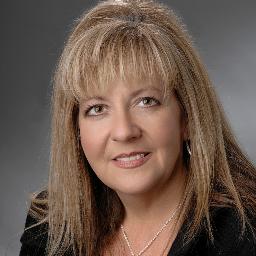
Kris Rice
LSCSW
Compassionate, experienced Kansas social worker
- Stress, Anxiety
- Relationship
- Trauma and abuse
Attachment-based therapy directory
29 therapists based in Kansas name attachment-based therapy among the ways they work. Sessions are online; a therapist can usually only see people in the states where they hold a license, so check the license line on each profile.
Welcome to Attachment Therapists' Kansas directory for online care. All therapists listed on this page hold state licenses to practice in Kansas. Explore profiles to compare approaches, languages, credentials, and areas of focus.
LSCSW
Compassionate, experienced Kansas social worker
LCPC
Compassionate therapy for life changes and relationships
KS Psychologist
Thoughtful, attachment-informed psychological care
LSCSW, LCSW
Attachment-aware social worker with 30 years' experience
LCPC
Warm, practical counselor focused on family dynamics
LCMFT, LMFT
Experienced marriage and family therapist focused on attachment
LCMFT
Practical, strengths-based therapy for lasting change
LCSW
Supportive therapist focused on attachment and coping
LSCSW, LCSW
Compassionate, practical help for life and relationships
LCMFT
Compassionate therapist focused on attachment and daily skills
LCSW, LSCSW
Practical, relationship-focused therapy for real life
LCMFT
Supportive therapist focusing on attachment and coping
LSCSW
Compassionate, practical support for relationship and mood issues
LCMFT, LMFT
Therapist focused on relationships and attachment
LSCSW
Kansas social worker focused on relationships and stress relief
LCMFT
Experienced therapist focused on relationships and trauma
LPC, LCPC
Calm, practical care rooted in attachment
LCSW, LSCSW
Compassionate, practical support for life’s hard moments
LSCSW
Attachment-aware social worker focused on practical support
LMFT, LCMFT
Experienced attachment-informed marriage and family therapist
LSCSW
Attachment-based clinician focused on practical support
LCPC
Compassionate, skills-focused therapy for life changes
LSCSW
Compassionate therapist focusing on attachment and change
LSCSW
Calm, practical support for everyday struggles
LSCSW
Compassionate social worker focused on relationships
Some links on this page are partner links. We will earn a commission if you sign up through one, at no cost to you. It does not change what you pay or the order of the listings.
Online therapy has become an established option for people across Kansas who are seeking flexible, consistent mental health support. Whether you live in an urban center like Wichita or a more rural community, many licensed professionals now offer virtual sessions that reduce travel time and expand access to clinicians with particular expertise. In Kansas, laws and professional standards guide how telehealth is delivered, and therapists follow state licensure rules when providing care across city lines or outside of traditional office settings. The result is a range of options that allow you to connect with clinicians who list attachment-informed approaches, trauma-focused work, family systems perspectives, and other methods that may fit your needs. While approaches vary, the directory emphasizes therapists who maintain the credentials required by Kansas boards and who describe their preferred modalities and populations served.
Because online therapy crosses physical boundaries, you can consider therapists whose languages, cultural backgrounds, and specialties match what you want to find. Many clinicians include information about age groups they work with, whether they focus on couples, families, adolescents, or adults, and which therapeutic frameworks they use. Those details can help you narrow your search before reaching out to learn more about session structure, fees, and how they work with clients remotely.
Online therapy offers practical benefits that are particularly useful in a state with sizable rural areas and long commute times. You may find it easier to fit sessions into your week without allotting extra time for travel or parking. For parents, students, and people who work nontraditional hours, remote sessions can make it simpler to maintain continuity of care during life transitions. You can also select a therapist whose cultural competence, language skills, or experience with specific concerns align with your needs, even if such clinicians are not available nearby in person.
Beyond convenience, many people appreciate the continuity that virtual care can provide when they relocate within Kansas or travel for work. Some therapists describe working with attachment-related themes, relationship patterns, or grief and loss in an online setting, and others list emotion-focused or cognitive-behavioral approaches among their methods. If you have mobility limitations or health concerns that make in-person visits difficult, online sessions can remove that barrier while still allowing you to build a therapeutic relationship. Keep in mind that the effectiveness of online work depends on clear communication about goals, boundaries, and logistics between you and your clinician.
Kansas online therapists address a wide spectrum of concerns that mirror in-person practice. You can seek support for relationship challenges, attachment patterns, parenting stress, and family systems issues. Many clinicians work with anxiety, depression, and stress management, offering approaches that focus on symptom relief as well as deeper relational patterns. Others list trauma-informed or grief-focused work among their approaches, which may be relevant if you are processing bereavement, accidents, or significant life changes.
Therapists in the directory also note work with identity-related concerns, life transitions, workplace stress, and parenting support. Couples often seek online sessions to address communication cycles, rebuilding trust, and practical co-parenting strategies across households. Adolescents and young adults may engage with clinicians who emphasize attachment disruptions and developmental questions. When reading profiles, pay attention to the populations a clinician names, such as adolescents, adults, or couples, and the specific kinds of issues they describe. That language helps you identify clinicians who commonly address the problems you want to work on.
Before beginning with an online clinician, it is sensible to confirm that the professional holds a current Kansas license in the relevant category. You can do this by using the Kansas state licensing board's license lookup tools, which let you search by name or license number to verify status and expiration. Public records typically show the license type, license number, and any disciplinary history. If you prefer, you can contact the licensing board directly by phone or email to request verification and ask about the scope of practice for a specific credential.
A license lookup will generally indicate whether the license is active, expired, or subject to restrictions. It will also list the license category, such as counselor, social worker, marriage and family therapist, or psychologist. If you see any actions or sanctions noted on the public record, consider asking the clinician for context and how they addressed the issue. Licensing records do not measure quality of care, but they do confirm whether a clinician is legally permitted to practice in Kansas. When reviewing profiles, you can also look for listed graduate training, professional affiliations, and language abilities to gauge fit for your needs.
Begin by clarifying what you hope to get from therapy and which practical constraints matter most, such as session length, preferred days or times, and whether you need sessions in a language other than English. Many profiles include details about approaches and populations, so you can shortlist clinicians whose descriptions resonate with your goals. When you contact a clinician, you may be asked about the reasons you're seeking help, prior therapy history, and whether your care will involve partners or family members. Those initial conversations help both of you determine whether to proceed.
For online therapy you'll want a quiet place where you can speak freely and focus. Use a device with a stable internet connection and test your audio and video beforehand. Ask the clinician about the platform they use and whether there are steps you should take to ensure a smooth connection. It is also appropriate to ask about fees, cancellation policies, and whether they provide documentation you might need for insurance reimbursement. If you plan to use insurance, check whether the clinician lists credential types that are compatible with your plan and whether they provide the documentation insurers require for remote sessions.
When deciding among multiple clinicians, compare how they describe their clinical focus and the populations they commonly work with. Some therapists emphasize attachment patterns and relationship dynamics, while others highlight symptom-focused work such as anxiety or mood management. Notice whether a clinician lists particular approaches among their methods - for example, therapists who list EMDR among their approaches or those who describe a strengths-based or experiential orientation. Such descriptions can guide you toward clinicians whose stated methods align with your preferences.
It is useful to ask potential therapists about their experience addressing issues similar to yours, how they typically structure remote sessions, and what they view as early signs of progress. You can also inquire about language offerings, cultural considerations, and experience working with clients from backgrounds like yours. A good fit often depends as much on how comfortable you feel in sessions as on credentials. Consider requesting a brief introductory conversation to get a sense of rapport and communication style before committing to ongoing sessions.
Finding the right therapist can take a few conversations. If you start with one clinician and sense that the fit is not right, it is reasonable to continue searching until you find someone who matches your goals and communication preferences. Keep in mind that meaningful change usually unfolds over time, so allow yourself and the clinician several sessions to clarify goals and adjust approaches. By using the directory to compare licensed clinicians, their stated approaches, languages, and areas of focus, you can make informed choices about who may best support you on your path.
Online therapy in Kansas offers a flexible way to access attachment-informed and other therapeutic care across distances. By verifying licensure, preparing for the logistics of remote sessions, and reflecting on the qualities that matter most to you, you can find a clinician whose profile aligns with your needs and begin a collaborative process toward clearer understanding and practical change.