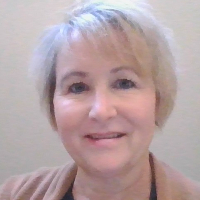
Donna Gensler, LSCSW, LCSW
Therapist in Kansas
Donna Gensler is a licensed social worker with two credentials: Licensed Specialist Clinical Social Worker (LSCSW) and Licensed Clinical Social Worker (LCSW).
- Licensed inKansas, Missouri, Nebraska, Texas, Arizona, Nevada
- License3586, 2021002471, 3013, 109106, 21033, 11553-C
- NPI 1194880575
- Experience20+ years
- LanguagesEnglish
Details are as listed on the therapist's public professional profile. You can check any license with the state board and any NPI with the national registry.
About Donna
Donna Gensler is a licensed social worker with two credentials: Licensed Specialist Clinical Social Worker (LSCSW) and Licensed Clinical Social Worker (LCSW). She brings 20 years of experience to her work and draws on a long career in child welfare settings. Donna focuses on practical help for everyday struggles and major life setbacks.
She listens first, then helps people set clear, achievable goals. Sessions are straightforward and aimed at building skills for stress, anxiety, mood problems, and addiction challenges.
Background and approach
She also addresses parenting strain, grief, anger, and relationships in concrete ways. Donna uses attachment-based approaches alongside client-centered and cognitive behavioral methods. That means she pays attention to how early relationships shape current patterns, centers the person's own goals, and teaches ways to change unhelpful thoughts and behaviors.
Mindfulness and motivational interviewing are added tools when helpful. Her background in child welfare gave her a wide view of cultural and economic challenges. She says that experience taught her to be creative when standard approaches need adapting for a client's life.
Donna is experienced working with adoption and foster care issues, attachment concerns, and blended family questions. Practical steps are emphasized in sessions. Together with the client, she sets a goal, tracks progress, and adjusts techniques as needed.
Many people find this clear, goal-focused style useful when coping with life changes, trauma responses, or ongoing mood and attention challenges.
Credentials
- LSCSW (Kansas)
- License 3586 · expires August 2027
- LCSW (Missouri)
- License 2021002471 · expires September 2026
- LIMHP (Nebraska)
- License 3013 · expires September 2026
- LCSW (Texas)
- License 109106 · expires July 2026
- LCSW (Arizona)
- License 21033 · expires November 2026
- LCSW (Nevada)
- License 11553-C · expires July 2026
- NPI
- 1194880575 · national provider identifier
Both are public records. A state board register will confirm a license and its standing, and the national registry will confirm an NPI. This directory copies what the therapist lists and checks neither.
Focus areas and approaches
Everything Donna lists on their public professional profile, in their own terms.
- Stress, Anxiety
- Family conflicts
- Trauma and abuse
- Parenting issues
- Depression
- Addictions
- Relationship issues
- Grief
- Anger management
- Self esteem
- Bipolar disorder
- Coping with life changes
- Compassion fatigue
- ADHD
- Adoption and foster care
- Attachment issues
- Blended family issues
- Codependency
- Communication problems
- Domestic violence
- Drug and alcohol addiction
- Family problems
- Forgiveness
- Impulsivity
- Mood disorders
- Panic disorder and panic attacks
- Post-traumatic stress
- Social anxiety and phobia
- Young adult issues
Approaches Donna names
- Attachment-Based Therapy
- Client-Centered Therapy
- Cognitive Behavioral Therapy (CBT)
- Mindfulness Therapy
- Motivational Interviewing
- Narrative Therapy
- Solution-Focused Therapy
- Trauma-Focused Therapy
Naming an approach is not evidence of training in it. This directory copies what each therapist lists and does not check training records.
Online support
How attachment and practical therapies work online
Donna often combines attachment-based work with client-centered and cognitive behavioral techniques. Attachment-based work looks at how early relationships shape current patterns, and it helps people notice and change how they relate to others. Client-centered therapy focuses on listening and building goals that matter to the person, while cognitive behavioral therapy teaches concrete skills to manage mood, anxiety, and unhelpful thought patterns.Choosing the right approach is a team effort. The therapist will talk with the client about goals, preferences, and what feels most useful. Together they adjust methods over time so the work fits changing needs and real-life situations.
Online sessions are offered by licensed professionals using video, phone, live chat, or text-based messaging. Video calls allow face-to-face conversation for deeper emotional work. Phone sessions can be easier when bandwidth is limited or when someone prefers not to be on camera. Live chat and text-based messaging work well for quick check-ins, short homework review, or ongoing support between longer sessions. These options make it easier to fit therapy into busy schedules and to keep progress moving forward.
We will earn a commission if you sign up through our link, at no cost to you. It does not change what you pay or the order of the listings.
Frequently asked
What issues does she help with?
She addresses stress, anxiety, depression, addictions, parenting strain, grief, anger, and relationship concerns, plus ADHD and mood disorders.
What is her therapeutic style?
Her style is practical and goal-focused, combining attachment-aware work with client-centered listening and CBT techniques.
How much experience does she have?
She has 20 years of clinical experience and many years working in the child welfare system.
What are her credentials and where is she based?
She holds LSCSW and LCSW credentials and practices from Kansas.
Can I work with her if I live outside the U.S.?
Sessions are offered in English and international clients are accepted.
Which session formats are available?
She offers video calls, phone sessions, live chat, and text-based messaging to fit different schedules and needs.
How is cost handled?
Cost varies by location and therapist availability and sessions use a subscription that can be canceled at any time.
How do I begin working together?
Start by selecting the Start Therapy button, complete a short matching questionnaire, and schedule sessions according to therapist availability.
More therapists in Kansas
See all
Kris Rice
LSCSW
Compassionate, experienced Kansas social worker
- Stress, Anxiety
- Relationship
- Trauma and abuse

Jacqueline "Jackie" Pattison
LCPC
Compassionate therapy for life changes and relationships
- Stress, Anxiety
- Relationship
- Family
Is this your profile?
Ask us to correct details or take the page down.
Contact us