- Licensed inArizona, Kansas
- LicenseLCSW-10218, LSCSW 3660
- NPI 1891737029
- Experience36+ years
- LanguagesEnglish
Details are as listed on the therapist's public professional profile. You can check any license with the state board and any NPI with the national registry.
About Scott
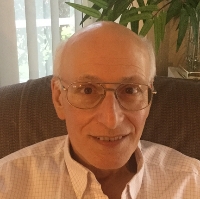
Dr. Scott Anstadt is a licensed clinical social worker with 36 years of practice. He offers straightforward, compassionate care for people facing stress, anxiety, addiction, grief, depression, and major life changes.
He talks with clients in plain language and focuses on practical steps to improve day-to-day life. He favors Attachment-based ways of thinking alongside Acceptance and Commitment Therapy and client-centered work. That means he pays attention to how relationships and values shape choices while helping people build skills to handle difficult feelings.
Background and approach
Sessions are adaptable to each person’s needs and rhythm. Scott combines cognitive behavioral tools with existential ideas about meaning and purpose. He often mixes short-term coaching with longer reflective work, depending on what a person wants.
He also draws on experience with family systems and narrative approaches when they fit a client’s goals. He has taught clinical courses at the university level and has long experience in individual and group formats. His practice emphasizes flexible contacts and practical strategies tied to a person’s daily life.
Scott supports people who prefer the convenience and variety of online formats. Scott holds LCSW and LSCSW credentials and practices from Kansas. He offers sessions by video, phone, live chat, and text messaging, and works with English-speaking clients including those located outside the United States.
Credentials
- LCSW (Arizona)
- License LCSW-10218 · expires April 2027
- LSCSW (Kansas)
- License LSCSW 3660 · expires August 2026
- NPI
- 1891737029 · national provider identifier
Both are public records. A state board register will confirm a license and its standing, and the national registry will confirm an NPI. This directory copies what the therapist lists and checks neither.
Focus areas and approaches
Everything Scott lists on their public professional profile, in their own terms.
- Stress, Anxiety
- Addictions
- Grief
- Depression
- Coping with life changes
- LGBT
- Relationship issues
- Family conflicts
- Trauma and abuse
- Intimacy-related issues
- Eating disorders
- Sleeping disorders
- Parenting issues
- Anger management
- Self esteem
- Career difficulties
- Bipolar disorder
- Coaching
- Compassion fatigue
- ADHD
- Aging and geriatric issues
- Attachment issues
- Commitment issues
- Communication problems
- Divorce and separation
- Forgiveness
- Guilt and shame
- Isolation / loneliness
- Life purpose
- Mood disorders
- Multicultural concerns
- Narcissism
- Polyamory / non-monogamous relationships
- Post-traumatic stress
- Self-love
- Social anxiety and phobia
Approaches Scott names
- Attachment-Based Therapy
- Acceptance and Commitment Therapy (ACT)
- Client-Centered Therapy
- Cognitive Behavioral Therapy (CBT)
- Existential Therapy
- Mindfulness Therapy
- Motivational Interviewing
- Narrative Therapy
- Solution-Focused Therapy
- Internal Family Systems
Naming an approach is not evidence of training in it. This directory copies what each therapist lists and does not check training records.
Online support
How attachment and action-oriented approaches work online
Attachment-based work focuses on how relationships and early patterns shape how people connect and respond. Online sessions can help a person notice those patterns, practice new ways of relating, and bring insights into current relationships or personal habits.Acceptance and Commitment Therapy (ACT) encourages people to clarify personal values and take steps toward them while learning to tolerate difficult feelings. In an online setting ACT can support coping with anxiety, grief, life changes, and commitment concerns by pairing short exercises with real-world experiments between sessions.
Client-centered therapy emphasizes a respectful, nonjudgmental listening stance that helps people feel heard and understood. That approach supports work on self-esteem, guilt and shame, life purpose, and multicultural concerns by giving space for reflection and self-directed growth.
Finding the right mix of approaches is part of the work. The therapist will collaborate with the client to choose methods that fit goals, comfort level, and daily life. That may mean combining attachment insights with CBT skill practice or brief coaching check-ins.
Online formats make therapy more flexible. Video calls allow face-to-face conversation and visual cues, phone sessions use less bandwidth, live chat provides a shorter check-in, and text messaging supports ongoing reflection between appointments. These options help people fit therapy into busy schedules, travel, or different time zones while keeping the focus on practical progress.
We will earn a commission if you sign up through our link, at no cost to you. It does not change what you pay or the order of the listings.
Frequently asked
What concerns does this therapist help with?
He works with a wide range of issues including stress, anxiety, addictions, grief, depression, parenting strain, trauma and abuse, relationship and intimacy issues, eating and sleeping problems, ADHD, and mood disorders.
How would you describe his therapy style?
He uses a practical, direct, and empathic style that blends attachment thinking with ACT, CBT, and client-centered ideas. Sessions mix skill practice, reflection, and coaching to match a person’s goals.
What is his background and clinical experience?
He has 36 years of clinical and academic experience, has taught university clinical courses, and has worked in individual and group formats over decades.
What credentials and location are on record?
He holds LCSW and LSCSW credentials and practices from Kansas with a documented AZ LCSW and KS LSCSW.
In which languages are sessions offered?
Sessions are offered in English and he also accepts clients located outside the United States.
Which session formats are available?
He offers video calls, phone sessions, live chat, and text-based messaging to fit different schedules and preferences.
How are costs and payments handled?
Session cost varies with location and therapist availability and uses a subscription model that can be canceled at any time.
What do I do to begin working with him?
Choose the Start Therapy button, complete a short matching questionnaire, and schedule sessions according to therapist availability.
More therapists in Kansas
See all
Kris Rice
LSCSW
Compassionate, experienced Kansas social worker
- Stress, Anxiety
- Relationship
- Trauma and abuse

Jacqueline "Jackie" Pattison
LCPC
Compassionate therapy for life changes and relationships
- Stress, Anxiety
- Relationship
- Family
Is this your profile?
Ask us to correct details or take the page down.
Contact us