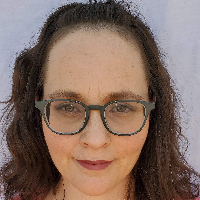
Victoria Cannon, LCSW
Therapist in Arizona
Victoria Cannon is a Licensed Clinical Social Worker (LCSW) who helps people face anxiety, depression, trauma, relationship pain, and major life changes.
- Licensed inArizona
- LicenseLCSW-14103
- NPI 1174815419
- Experience13+ years
- LanguagesEnglish
Details are as listed on the therapist's public professional profile. You can check any license with the state board and any NPI with the national registry.
About Victoria
Victoria Cannon is a Licensed Clinical Social Worker (LCSW) who helps people face anxiety, depression, trauma, relationship pain, and major life changes. She works in Arizona and brings 13 years of clinical experience to each session. Her approach centers on building a steady therapeutic relationship and practical skills that fit everyday life.
She focuses on how past experiences shape present reactions. That includes attachment wounds, abandonment, and family-of-origin patterns that keep people stuck.
Background and approach
Sessions aim to reduce overwhelm, manage panic or mood shifts, and find clearer ways to connect with others. Victoria blends emotion-focused work with acceptance and mindfulness tools. That means people learn to notice feelings without getting flooded, name what matters to them, and take steps that match their values.
Motivational interviewing helps when change feels hard or when habits like substance use or disordered eating get in the way. Therapy often moves between talking and simple, body-centered practices. She helps clients build coping strategies for stress, grief, parenting strain, compassion fatigue, and recovery after trauma.
The work is practical and aimed at everyday improvements rather than abstract theory. Victoria uses attachment-based ideas to create safety in the therapy relationship and to guide rebuilding trust with others. She invites people to set clear goals and tries to keep skills easy to use between sessions.
Work proceeds at the client’s pace with steady attention to what feels most urgent. Sessions are offered through messaging, phone, video, and live chat, with plans that can be canceled at any time. People who want to begin complete a short matching questionnaire and schedule a first session according to availability.
Credentials
- LCSW (Arizona)
- License LCSW-14103 · expires January 2028
- NPI
- 1174815419 · national provider identifier
Both are public records. A state board register will confirm a license and its standing, and the national registry will confirm an NPI. This directory copies what the therapist lists and checks neither.
Focus areas and approaches
Everything Victoria lists on their public professional profile, in their own terms.
- Stress, Anxiety
- Relationship issues
- Trauma and abuse
- Depression
- Addictions
- Family conflicts
- Grief
- Intimacy-related issues
- Eating disorders
- Parenting issues
- Anger management
- Self esteem
- Career difficulties
- Bipolar disorder
- Coping with life changes
- Compassion fatigue
- Abandonment
- Attachment issues
- Codependency
- Coping with natural or human-caused disaster
- Dissociation
- Eating and food-related issues
- Family of origin issues
- Family problems
- Fatherhood issues
- Guilt and shame
- Mood disorders
- Panic disorder and panic attacks
- Postpartum depression
- Post-traumatic stress
- Pregnancy and childbirth
- Sexual assault and abuse
- Somatization
- Young adult issues
Approaches Victoria names
- Attachment-Based Therapy
- Acceptance and Commitment Therapy (ACT)
- Emotionally-Focused Therapy (EFT)
- Mindfulness Therapy
- Motivational Interviewing
- Somatic Therapy
- Trauma-Focused Therapy
Naming an approach is not evidence of training in it. This directory copies what each therapist lists and does not check training records.
Online support
How attachment work and ACT translate to online therapy
Attachment-Based Therapy focuses on how early relationships shape expectations and reactions in current relationships. Online sessions explore patterns of connection, help people name attachment needs, and practice new ways of relating that feel safer and more predictable.Acceptance and Commitment Therapy, or ACT, helps people notice difficult thoughts and feelings while choosing actions that match their values. In remote sessions, ACT tools are used to clarify what matters, reduce avoidance, and build small, doable steps toward valued goals.
Emotionally-Focused Therapy centers on identifying core emotions and changing unhelpful interaction patterns. Online EFT-style work supports people in naming emotions, tracking triggers, and trying new responses in relationships or personal boundaries.
Finding the right approach is collaborative. The therapist will talk with each person about goals, preferences, and what has or hasn’t worked before. Together they choose methods that fit the person’s pace and daily life, and adjust as needs shift.
Online therapy offers flexibility and multiple ways to connect. Video calls are useful when face-to-face presence matters, phone sessions work when bandwidth is limited, live chat suits quick check-ins, and text messaging supports short ongoing contact. These options make it easier to keep therapy consistent around work, family, or travel while using the approaches above in real time.
We will earn a commission if you sign up through our link, at no cost to you. It does not change what you pay or the order of the listings.
Frequently asked
What concerns does Victoria commonly address?
She helps people with stress, anxiety, depression, trauma and abuse, relationship and intimacy issues, grief, addictions, eating and parenting struggles, bipolar and mood disorders, and coping with life changes.
What is her general therapy style?
Her style is warm and practical. She builds a steady therapeutic relationship, uses emotion-focused exploration, and teaches concrete coping skills to use between sessions.
How much clinical experience does she have?
Victoria has 13 years of professional experience working with people facing trauma, attachment concerns, mood disorders, and stress-related problems.
What are her credentials and where is she based?
She holds an LCSW - Licensed Clinical Social Worker - and practices in Arizona.
Which languages and international options are available?
Sessions are offered in English. She is not accepting international clients at this time.
What session formats are offered?
Work can be done via video calls, phone sessions, live chat, or text-based messaging depending on what fits a person’s needs.
How does payment and cost work?
Cost varies with location and therapist availability; sessions use a subscription model that can be canceled at any time.
How do I start therapy with her?
Begin by selecting the Start Therapy button, completing a short matching questionnaire, and scheduling a session according to therapist availability.
More therapists in Arizona
See all
Sheryl Mahon
LPC, LPCC
Practical, attachment-aware counseling for life changes
- Stress, Anxiety
- Grief
- Depression
Michele Davis
LCSW
Therapist focused on attachment and practical support
- Addictions
- Relationship
- Trauma and abuse
Is this your profile?
Ask us to correct details or take the page down.
Contact us