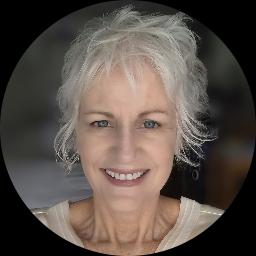
Patricia Duff-Fleming, LMHC
Therapist in Florida
Patricia Duff-Fleming is a licensed mental health counselor in Florida with 25 years of experience.
- Licensed inFlorida
- Licensemh21322
- NPI 1194336586
- Experience25+ years
- LanguagesEnglish
Details are as listed on the therapist's public professional profile. You can check any license with the state board and any NPI with the national registry.
About Patricia
Patricia Duff-Fleming is a licensed mental health counselor in Florida with 25 years of experience. She works with adults facing stress, anxiety, relationship struggles, trauma and abuse, career concerns, and major life changes. She centers care on each person's strengths and practical steps forward.
Her approach is collaborative and respectful. She listens to each person’s story and helps them clarify values and goals. Sessions focus on what matters now and on skills that can be used between meetings.
Background and approach
Patricia uses attachment-based ideas to help people understand patterns in relationships and how early connections influence current reactions. She also draws on acceptance and commitment therapy to help people notice painful thoughts with less struggle. Cognitive behavioral tools are used to identify unhelpful thinking and to practice alternatives.
Her client-centered stance means she adjusts pacing and techniques to fit each person's needs. She supports work on loss, abandonment, grief, chronic illness, caregiving stress, isolation, and the strain of major life transitions. Practical coping strategies are paired with attention to emotional experience.
Patricia offers a calm, steady presence for people navigating big changes. She helps people build clearer values, healthier patterns, and small habits that add up over time. The focus is on realistic, manageable steps toward a more livable day-to-day life.
Credentials
- LMHC (Florida)
- License mh21322 · expires March 2027
- NPI
- 1194336586 · national provider identifier
Both are public records. A state board register will confirm a license and its standing, and the national registry will confirm an NPI. This directory copies what the therapist lists and checks neither.
Focus areas and approaches
Everything Patricia lists on their public professional profile, in their own terms.
- Stress, Anxiety
- Relationship issues
- Trauma and abuse
- Career difficulties
- Coping with life changes
- Abandonment
- Aging and geriatric issues
- Attachment issues
- Autism and Asperger Syndrome
- Caregiver issues and stress
- Chronic pain, illness, and disability
- Codependency
- Dissociation
- Divorce and separation
- Domestic violence
- Forgiveness
- Guilt and shame
- Hospice and end-of-life counseling
- Intellectual disability
- Isolation / loneliness
- Life purpose
- Midlife crisis
- Narcissism
- Postpartum depression
- Post-traumatic stress
- Prejudice and discrimination
- Seasonal Affective Disorder (SAD)
- Self-harm
- Self-love
- Sexual assault and abuse
- Smoking / vaping cessation
- Social anxiety and phobia
- Somatization
- Traumatic brain injury
- Women's issues
- Young adult issues
Approaches Patricia names
- Attachment-Based Therapy
- Acceptance and Commitment Therapy (ACT)
- Client-Centered Therapy
- Cognitive Behavioral Therapy (CBT)
- Emotionally-Focused Therapy (EFT)
- Existential Therapy
- Mindfulness Therapy
- Narrative Therapy
- Psychodynamic Therapy
- Solution-Focused Therapy
- Trauma-Focused Therapy
Naming an approach is not evidence of training in it. This directory copies what each therapist lists and does not check training records.
Online support
How attachment and action-focused therapies work online
Attachment-based therapy looks at how early connections shape current relationship patterns and emotional reactions; online sessions use conversation and reflective exercises to notice those patterns and try new ways of relating. Acceptance and Commitment Therapy (ACT) helps people clarify personal values and take small committed actions even when hard thoughts or feelings show up, using exercises and short practices during and between sessions. Client-centered therapy emphasizes listening, empathy, and working at the client's pace to build trust and clarify goals.Deciding which approach to use is part of the work. The therapist will collaborate with each person to pick methods that match their needs, goals, and comfort. That choice can change over time as new issues come up or progress is made.
Online formats offer practical flexibility. Video calls allow face-to-face conversation and visual cues. Phone sessions are useful when bandwidth is limited or a speaker-only check-in is preferred. Live chat and text-based messaging make it possible to check in between sessions or to use shorter, frequent touchpoints. These options help fit therapy into work, caregiving, and daily routines while supporting consistent progress.
We will earn a commission if you sign up through our link, at no cost to you. It does not change what you pay or the order of the listings.
Frequently asked
What kinds of concerns does this therapist address?
Patricia works with stress, anxiety, relationship difficulties, trauma and abuse, career issues, and coping with life changes. She also supports people dealing with grief, abandonment, chronic illness, caregiver stress, isolation, and codependency.
How would you describe the therapist's style and approach?
She practices in a collaborative, client-centered way and uses attachment-based ideas alongside ACT, CBT, and emotionally-focused techniques. The work mixes talking, skills practice, and goal setting tailored to the person.
What kind of background and experience does she have?
Patricia has 25 years of professional experience supporting people with emotional and life challenges. Her long practice includes work with trauma, end-of-life concerns, and caregiving stress.
Where is the therapist licensed and located?
She is a Florida licensed mental health counselor listed as LMHC and practices from Florida.
Which languages are supported for sessions?
Sessions are offered in English.
What formats are available for online sessions?
Sessions may be conducted via video calls, phone sessions, live chat, or text-based messaging depending on client preference.
How does payment and cost work?
Cost varies with location and therapist availability; sessions use a subscription model that can be canceled at any time.
How do I begin working with this therapist?
Start by selecting the Start Therapy button and completing a short matching questionnaire, then schedule sessions according to therapist availability.
More therapists in Florida
See all
Elizabeth Carter
LMHC
Practical support for stress and attachment
- Stress, Anxiety
- Trauma and abuse
- Parenting
Sophia Mas
LMHC
Compassionate counselor focused on attachment and coping
- Stress, Anxiety
- Relationship
- Family
Tomeccia Maxwell
LMHC
Skilled guide for stress, relationships, and healing
- Stress, Anxiety
- Relationship
- Family
Is this your profile?
Ask us to correct details or take the page down.
Contact us