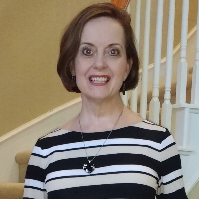
Lee Anne Smith, LPC
Therapist in Colorado
Lee Anne Smith is a Licensed Professional Counselor (LPC) with 15 years of experience helping people cope with anxiety, depression, trauma, and a range of life challenges.
- Licensed inTexas, Colorado
- License71556, 5815
- NPI 1720238694
- Experience15+ years
- LanguagesEnglish
Details are as listed on the therapist's public professional profile. You can check any license with the state board and any NPI with the national registry.
About Lee
Lee Anne Smith is a Licensed Professional Counselor (LPC) with 15 years of experience helping people cope with anxiety, depression, trauma, and a range of life challenges. She works in Colorado and brings a warm, interactive style to sessions. Lee Anne aims to make therapy feel direct and understandable for worried parents and adults seeking support.
She often uses Attachment-Based Therapy to look at how early relationships shape current patterns.
Background and approach
That approach helps when feelings of abandonment, attachment issues, or emptiness get in the way of close relationships. She also draws on client-centered techniques to create a respectful, nonjudgmental space. Cognitive Behavioral Therapy is part of her toolkit for addressing symptoms of anxiety, ADHD, bipolar mood shifts, and negative thinking.
She also integrates Dialectical Behavior Therapy skills to teach emotional regulation and distress tolerance. When trauma is present, Eye Movement Desensitization and Reprocessing may be used as a method to process painful memories. Lee Anne works with many concerns including grief, addiction, eating issues, body image, chronic illness, and compassion fatigue.
She pays attention to family of origin problems, communication struggles, and codependency. Practical skills, clearer communication, and slowly changing unhelpful patterns are common goals in her sessions. Her approach is flexible and tailored.
Clients can expect collaborative goal-setting, simple tools to practice between sessions, and a focus on what feels most useful in day-to-day life.
Credentials
- LPC (Texas)
- License 71556 · expires July 2027
- LPC (Colorado)
- License 5815 · expires August 2027
- NPI
- 1720238694 · national provider identifier
Both are public records. A state board register will confirm a license and its standing, and the national registry will confirm an NPI. This directory copies what the therapist lists and checks neither.
Focus areas and approaches
Everything Lee lists on their public professional profile, in their own terms.
- Stress, Anxiety
- Trauma and abuse
- Bipolar disorder
- Depression
- ADHD
- Addictions
- LGBT
- Relationship issues
- Family conflicts
- Grief
- Intimacy-related issues
- Eating disorders
- Anger management
- Self esteem
- Coping with life changes
- Coaching
- Compassion fatigue
- Abandonment
- Attachment issues
- Autism and Asperger Syndrome
- Body image
- Chronic pain, illness, and disability
- Co-morbidity
- Codependency
- Commitment issues
- Communication problems
- Control issues
- Dissociation
- Emptiness
- Family of origin issues
- Family problems
- Forgiveness
- Gender dysphoria
- Guilt and shame
- Impulsivity
- Isolation / loneliness
- Life purpose
- Midlife crisis
- Mood disorders
- Obsessions, compulsions, and OCD
- Panic disorder and panic attacks
- Personality disorders
- Post-traumatic stress
- Self-love
- Sexual assault and abuse
- Sexuality
- Social anxiety and phobia
- Somatization
- Traumatic brain injury
- Women's issues
Approaches Lee names
- Attachment-Based Therapy
- Client-Centered Therapy
- Cognitive Behavioral Therapy (CBT)
- Dialectical Behavior Therapy (DBT)
- Eye Movement Desensitization and Reprocessing (EMDR)
- Mindfulness Therapy
- Motivational Interviewing
- Narrative Therapy
- Psychodynamic Therapy
- Solution-Focused Therapy
- Trauma-Focused Therapy
Naming an approach is not evidence of training in it. This directory copies what each therapist lists and does not check training records.
Online support
How attachment work and skills training translate online
Attachment-Based Therapy focuses on how early relationship patterns affect current bonds and emotions. In online sessions this means talking through relationship histories, noticing patterns that keep repeating, and practicing new ways of connecting and setting boundaries. Client-Centered Therapy emphasizes a respectful, nonjudgmental conversation where the client leads topics and the therapist follows their pace and priorities.Cognitive Behavioral Therapy (CBT) teaches concrete skills for changing unhelpful thoughts and behaviors. Online CBT sessions often include short exercises during video calls and simple homework between sessions to practice new responses to anxiety, depression, or ADHD symptoms. The therapist will discuss which approach or combination feels most useful and tailor work to personal goals in a collaborative way.
Online formats include video calls, phone sessions, live chat, and text-based messaging. Video is useful when visual cues help the conversation. Phone sessions require less bandwidth and can fit into a work break. Live chat or messaging can be a quick check-in or a way to track progress between appointments. These options make it easier to keep consistent work and try different techniques in daily life.
We will earn a commission if you sign up through our link, at no cost to you. It does not change what you pay or the order of the listings.
Frequently asked
What kinds of concerns does Lee Anne work with?
She addresses stress, anxiety, trauma and abuse, bipolar disorder, depression, ADHD, addictions, LGBT issues, relationship and family concerns, grief, and intimacy-related problems.
What is her therapeutic style like?
Her style is warm and interactive, combining client-centered conversations with practical techniques from CBT and DBT to build skills and reduce distress.
How much experience does she have?
She has 15 years of counseling experience working with a wide range of emotional and behavioral concerns.
Where is she licensed and based?
She is a Licensed Professional Counselor (LPC) and practices in Colorado with licensing also documented for Texas.
In what languages are sessions offered?
Sessions are offered in English.
What session formats are available?
She offers video calls, phone sessions, live chat, and text-based messaging to fit different needs and schedules.
How are sessions paid for and what does cost look like?
Costs vary with location and therapist availability; sessions use a subscription model that can be canceled at any time.
How do I begin working with her?
Choose the Start Therapy button, complete the short matching questionnaire, and schedule sessions according to the therapist's availability.
More therapists in Colorado
See all
Dr. Farah Ibrahim
CO Psychologist
Compassionate psychologist focusing on attachment and coping
- Stress, Anxiety
- Relationship
- Family
Dr. Wanetta "Nita" Hughes Bise
LPC
Therapist offering steady, compassionate support
- Relationship
- Trauma and abuse
- Parenting
William Holt
LPC
Compassionate counselor focused on relationship patterns
- Stress, Anxiety
- Trauma and abuse
- Grief
Is this your profile?
Ask us to correct details or take the page down.
Contact us