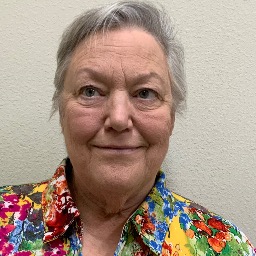
Samayra Tavakoli
LPC
Healing attachment and building coping skills
- Stress, Anxiety
- Relationship
- Family
Attachment-based therapy directory
59 therapists based in Oklahoma name attachment-based therapy among the ways they work. Sessions are online; a therapist can usually only see people in the states where they hold a license, so check the license line on each profile.
Welcome to Attachment Therapists' directory for Oklahoma online therapy. All therapists listed on this page are licensed in Oklahoma. Explore the listings to review approaches, credentials, languages, and areas of experience.
LPC
Healing attachment and building coping skills
LPC
Attachment-focused counselor with practical tools
LPC
Compassionate counselor helping recovery and relationships
LPCC, LPC
Attachment-informed counselor with practical tools
LPC
Compassionate therapist helping people build stable connections
LMFT
Compassionate therapist focusing on relationships and coping
LPC
Compassionate, skill-focused counseling for everyday life
LMFT
Compassionate therapist for relationship and life challenges
LCPC, LPC
Compassionate counselor for attachment and change
LPC
Practical, compassionate counseling for life changes
LPC
Therapist focused on attachment and relationships
LPC
Compassionate attachment-informed counseling
LPC
Experienced counselor focused on attachment and healing
LCSW
Attachment-focused therapist helping with relationships
LPC
Compassionate counselor for attachment and life challenges
LPC
Compassionate counselor focused on attachment and recovery
LCSW, LISW
Gentle, relationship-focused clinical social worker
LCSW
Compassionate therapist focused on relationships and healing
LCSW
Compassionate practical care for everyday struggles
LCSW
Compassionate therapist focused on attachment and coping
LPC
Compassionate help for relationships and life stress
LPC
Compassionate counselor blending attachment and skills-based work
LCSW
Calm, practical therapy for stress and relationships
LPC
Compassionate counselor helping steady everyday life
LMFT
Compassionate therapist focused on attachment patterns
LPC
Compassionate counselor for life transitions
LPC
Hopeful guidance for adult relationships and stress
LCMFT, LMFT
Helpful, steady therapy rooted in attachment principles
LPC
Healing rooted in attachment and strengths
LMFT
Calm, values-focused therapy for adults
LPC
Attachment-informed therapist with a practical focus
LPC
Compassionate, practical support for relationship and life stressors
LPC
Relational counselor helping people heal and set boundaries
LMFT
Compassionate therapist focused on attachment healing
LCSW
Attachment-informed LCSW focused on practical steps
LMFT
Compassionate, practical therapy for life changes
LCSW
Direct, practical therapy for stress and relationships
LPC
Healing relationships and building steady coping skills
LCSW
Connection-focused therapist helping parents and adults
LCSW
Attachment-informed therapist focused on practical change
LPC
Compassionate counselor focused on attachment and coping
Some links on this page are partner links. We will earn a commission if you sign up through one, at no cost to you. It does not change what you pay or the order of the listings.
Online therapy has become a widely used option for people across Oklahoma who want to access mental health support without traveling. In 2026, many licensed mental health professionals offer remote sessions using video and telephone formats, which means you can meet with a counselor, social worker, marriage and family therapist, or psychologist from your home or another convenient location. If you live in a rural area of the state or you balance work and family responsibilities, online sessions can reduce commute time and increase scheduling flexibility. When you review profiles on Attachment Therapists, note the licensed credential listed and the areas of focus each therapist highlights. Licensing in Oklahoma indicates the clinician meets state regulatory requirements for their profession. Keep in mind that state rules regarding provision of online services evolve, so it helps to confirm that a clinician lists Oklahoma licensure when you plan to receive services while physically in the state.
You may choose online therapy for several reasons. For many people the primary advantage is convenience - you do not need to drive to an office, which is especially helpful in regions with long distances between communities. Online sessions can also make it easier to maintain continuity of care if you travel within the state for work or family reasons. Another benefit is broader choice - you can explore therapists who list specific approaches or experience working with particular populations without being limited to nearby offices. If mobility, childcare, or transportation are concerns for you, remote sessions can reduce those barriers. Technology also enables you to access therapists who speak your preferred language or who specialize in attachment-related work, trauma-informed care, relationship counseling, or other areas. While online therapy fits many needs, it is important to consider factors like internet reliability and having a personal, quiet setting where you can speak openly during a session. Planning ahead about the technology and environment you will use can help you get the most from remote sessions.
Online therapists in Oklahoma often work with a wide range of concerns that people bring to remote counseling. Common areas include general mood and stress management, anxiety, and depression, relationship struggles including attachment-related patterns, parenting challenges, life transitions, grief, and coping with chronic health conditions. Therapists also support people navigating trauma-related reactions, workplace stress, and identity or cultural issues. Many clinicians list therapeutic approaches such as cognitive-behavioral, emotion-focused, attachment-based, relational, and trauma-informed practices among their approaches. You will also find therapists who list EMDR among their approaches, as well as clinicians who list internal family systems or other models. When you read a profile, pay attention to the population focus noted by the clinician - for example adolescents, young adults, couples, or perinatal clients - as this can give you a sense of clinical experience relevant to your needs. Keep in mind that listing an approach on a profile is not the same as verification of specific credentials; it simply indicates that a therapist describes that method as part of their work.
Before you begin working with someone remotely, it is practical to confirm their licensure status. Start by identifying the license type shown on the therapist's profile - common categories include licensed professional counselor, licensed clinical social worker, marriage and family therapist, and psychologist. Each profession is regulated by a state board or licensing entity that typically maintains a public license verification tool. On the board's website you can search by the clinician's full name to check whether the license is active, when it expires, and whether there are any disciplinary actions recorded. If you have questions about what you find, you can contact the licensing board directly for clarification. When you review the record, note the jurisdiction listed - it should show Oklahoma if the clinician is providing services to you while you are located in the state. Verifying licensure is a straightforward step that gives you factual information about a clinician's regulated status and can be part of responsible decision making when you choose a therapist.
Getting started with online therapy involves a few practical steps. Begin by browsing profiles to identify clinicians whose approaches, specialties, and language skills align with what you want. When you find profiles that feel promising, prepare a brief list of questions to ask in an initial message or intake call, such as the therapist's approach to issues like attachment patterns or trauma, typical session length, and what methods they often use. You may also want to ask about fees and whether the clinician accepts your insurance or offers a self-pay rate. Next, make sure you have the right technology in place - a device with a camera and microphone, a reliable internet connection, and a quiet, personal area where you can speak comfortably. It helps to test the video platform ahead of your first session and to have a backup plan such as a phone call if technical difficulties occur. Finally, discuss with the clinician how to handle emergencies or times when you need immediate in-person support so you have a clear plan that fits local resources. Taking these steps can make your transition into online therapy smoother and more predictable.
Choosing a therapist is a personal decision and it is okay to take time to find a good fit. Start by reflecting on what matters most to you - whether that is experience with attachment-related concerns, familiarity with cultural or identity issues, or approaches that focus on emotions and relationships. Use the directory to filter for clinicians who highlight those priorities and who list relevant approaches. When you read each profile consider the therapist's stated orientation and whether they mention populations they frequently work with, such as couples, teens, or parents. A therapist's communication style in their profile can also give you a sense of how they explain therapy and what to expect. If language access matters to you, look for clinicians who note the languages they speak. In your initial outreach, you can ask about how they typically structure sessions and what collaborative goals might look like. Trust your impressions - if a clinician's style or explanations resonate with you, that may be an indicator of fit. At the same time, if something feels off, it is reasonable to continue searching. Finding the right match can increase the likelihood that you will feel understood and make progress on the goals you set for therapy.
Exploring online therapists in Oklahoma gives you the opportunity to find clinicians who list attachment-focused and other approaches that align with your needs. By checking licensure, reviewing approaches and population focus, preparing for technology needs, and clarifying practical questions up front, you can make a thoughtful choice about who to contact. Use the directory to compare profiles and gather information so you can begin a therapeutic relationship that fits your preferences and circumstances.