
Ray Woods, LCMFT, LMFT
Therapist in Oklahoma
Ray Woods is a licensed marriage and family therapist who focuses on attachment-based approaches to help people find steadier emotional ground.
- Licensed inOklahoma, Kansas
- LicenseLMFT01226, LCMFT 2897
- NPI 1730416645
- Experience16+ years
- LanguagesEnglish
Details are as listed on the therapist's public professional profile. You can check any license with the state board and any NPI with the national registry.
About Ray
Ray Woods is a licensed marriage and family therapist who focuses on attachment-based approaches to help people find steadier emotional ground. He brings 16 years of clinical experience and aims for respectful, compassionate conversations that meet each person's needs. He works with people facing stress, anxiety, and depression.
He also helps those dealing with trauma and abuse, low self-esteem, and relationship struggles. Sessions are shaped to fit what each person brings, not a one-size-fits-all plan.
Background and approach
Ray combines client-centered listening with practical tools from cognitive behavioral therapy. That means he listens first, then helps clients notice unhelpful thoughts and try different behaviors. He also uses elements of emotionally-focused work and principles from the Gottman Method when relationship-focused work makes sense.
Over his career he has helped people with blended family challenges, caregiver stress, communication problems, and the emotional fallout of divorce and separation. He also supports people managing addiction concerns, obsessive-compulsive patterns, isolation, and forgiveness work. Ray is licensed in Kansas as an LCMFT and in Oklahoma as an LMFT.
He sees people in Oklahoma and offers sessions in English. He accepts international clients when that fits the situation. Starting therapy is a process he frames as a collaboration.
He will tailor session plans and check in regularly to adjust goals and methods as progress unfolds.
Credentials
- LMFT (Oklahoma)
- License LMFT01226 · expires December 2026
- LCMFT (Kansas)
- License LCMFT 2897 · expires January 2027
- NPI
- 1730416645 · national provider identifier
Both are public records. A state board register will confirm a license and its standing, and the national registry will confirm an NPI. This directory copies what the therapist lists and checks neither.
Focus areas and approaches
Everything Ray lists on their public professional profile, in their own terms.
- Stress, Anxiety
- Relationship issues
- Trauma and abuse
- Self esteem
- Depression
- Blended family issues
- Caregiver issues and stress
- Communication problems
- Control issues
- Divorce and separation
- Domestic violence
- Drug and alcohol addiction
- Emptiness
- Family problems
- Forgiveness
- Intellectual disability
- Isolation / loneliness
- Jealousy
- Veteran and Armed Forces Issues
- Obsessions, compulsions, and OCD
- Personality disorders
- Post-traumatic stress
- Self-harm
- Sexual assault and abuse
- Sexual dysfunction
- Social anxiety and phobia
Approaches Ray names
- Attachment-Based Therapy
- Client-Centered Therapy
- Cognitive Behavioral Therapy (CBT)
- Emotionally-Focused Therapy (EFT)
- Gottman Method
- Mindfulness Therapy
- Motivational Interviewing
- Narrative Therapy
- Solution-Focused Therapy
- Trauma-Focused Therapy
- Internal Family Systems
Naming an approach is not evidence of training in it. This directory copies what each therapist lists and does not check training records.
Online support
Attachment-informed and practical approaches for online care
Ray blends attachment-based ideas with client-centered listening and cognitive behavioral techniques. Attachment-based therapy focuses on how early bonds shape current emotions and relationship patterns and can help with anxiety, trust issues, and feeling disconnected. Client-centered work centers the person in the room, using respectful listening to build trust and clarify goals. Cognitive behavioral therapy helps people identify unhelpful thoughts and try different behaviors to reduce symptoms like anxiety and low mood.Finding the right mix of approaches is a collaborative process. The therapist will talk with each person about their goals, try methods that match those goals, and adjust as progress or needs change. That lets the plan evolve rather than locking someone into a single method from the start.
Online sessions are offered by video calls, phone, live chat, or text-based messaging to suit different needs. Video is useful for deeper conversations and visual cues. Phone sessions can work when bandwidth is limited or a quieter connection is needed. Live chat and text let people check in between sessions or use shorter, more frequent touchpoints. These options make it easier to fit therapy into a busy life and to continue work when in-person meetings aren’t possible.
We will earn a commission if you sign up through our link, at no cost to you. It does not change what you pay or the order of the listings.
Frequently asked
What concerns does Ray commonly address?
He works with stress, anxiety, depression, trauma and abuse, self-esteem, and relationship issues, along with related concerns like addiction, OCD, caregiver stress, and family problems.
How would you describe his therapeutic style?
He uses attachment-based and client-centered approaches, combining warm listening with practical techniques from cognitive behavioral therapy and emotionally-focused work.
How much clinical experience does he have?
He has 16 years of professional experience working with people across a range of emotional and relationship concerns.
What credentials and location are listed for this therapist?
Ray holds LCMFT and LMFT credentials and is licensed in Kansas as an LCMFT and in Oklahoma as an LMFT. He practices in Oklahoma.
In which languages can sessions be conducted?
Sessions are offered in English, and he is able to work with international clients when appropriate.
What session formats are available for online work?
He provides video calls, phone sessions, live chat, and text-based messaging to give flexible ways to meet and follow up.
How are costs and billing handled?
Costs vary by location and therapist availability; sessions use a subscription model that can be canceled at any time.
What is the first step to begin working together?
To start, select the Start Therapy button, complete a short matching questionnaire, and schedule sessions according to therapist availability.
More therapists in Oklahoma
See all
Samayra Tavakoli
LPC
Healing attachment and building coping skills
- Stress, Anxiety
- Relationship
- Family
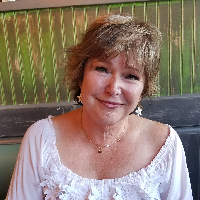
Theresa Smith
LPC
Attachment-focused counselor with practical tools
- Stress, Anxiety
- Addictions
- Trauma and abuse
Diana Lively
LPC
Compassionate counselor helping recovery and relationships
- Stress, Anxiety
- Addictions
- Relationship
Is this your profile?
Ask us to correct details or take the page down.
Contact us