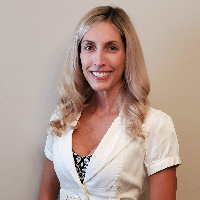
Carrie Gottschalk
LIMHP
Compassionate therapist focused on attachment and practical skills
- Stress, Anxiety
- Trauma and abuse
- Self esteem
Attachment-based therapy directory
23 therapists in this directory list Licensed Independent Mental Health Practitioner (LIMHP). Registration details are shown as each therapist lists them; the body's own public register is the place to check a number.
A Licensed Independent Mental Health Practitioner (LIMHP) is a clinician who has completed graduate-level education, required supervised practice, and state licensure to provide mental health services. Browse verified LIMHP therapists below to explore approaches, specialties, and languages that may align with your needs.
LIMHP
Compassionate therapist focused on attachment and practical skills
LMHC, LIMHP
Compassionate, goal-focused therapy for real life
LIMHP
Relationship and attachment focused clinician
LICSW, LIMHP
Compassionate therapist focused on attachment and coping
LIMHP
Compassionate, practical help for everyday struggles
LPC, LIMHP
Therapist guiding steady healing and growth
LIMHP
Compassionate, practical support for life and relationships
LCSW, LIMHP
Calm, practical support for stress and parenting
LIMHP
Empathy-focused therapist helping rebuild connection
LIMHP
Supportive therapist for stress and life changes
LIMHP
Compassionate, goal-focused therapy with attachment insight
LPC, LIMHP
Attachment-informed counselor focused on trauma recovery
LMHC, LIMHP
Relationship-focused therapist guiding practical change
LCPC, LIMHP
Compassionate counselor focused on relationships and coping
LIMHP
Compassionate, attachment-informed therapy for everyday life
LISW, LIMHP
Warm, practical therapy for stress and trauma
LMHC, LIMHP
Compassionate counselor for grief and life changes
LIMHP, LMHP
Calm, practical help for life’s hard moments
LIMHP
Supportive clinician with five decades' experience
LIMHP, LMHP
Compassionate care focused on attachment and coping
LIMHP
Calm, experienced therapist focused on practical change
Some links on this page are partner links. We will earn a commission if you sign up through one, at no cost to you. It does not change what you pay or the order of the listings.
If you are wondering what LIMHP stands for, it denotes a Licensed Independent Mental Health Practitioner. This credential indicates that a clinician has met a set of professional requirements established by a state licensing board to practice independently in the field of mental health. Typically you will find that clinicians with this credential hold a master’s or doctoral degree in psychology, counseling, social work, marriage and family therapy, or a related mental health discipline. After finishing graduate coursework, they complete a period of supervised clinical practice and must pass state or national examinations required for licensure. The exact educational path and hours of supervised experience vary by state, so the credential name is less important than confirming that the clinician meets your state’s standards.
Licensure is a legal authorization to provide mental health services and to make clinical judgments about assessment and treatment. When you review a clinician’s profile and see LIMHP, it signals that the individual has pursued a recognized route to independent practice. It is useful to remember that credentialing frameworks evolve, so a LIMHP may have additional professional development, post-graduate internships, or continuing education that shapes their practice beyond the baseline requirements.
When you compare a LIMHP to other license types, the most important distinction is the authority to practice independently. This means a LIMHP can evaluate, diagnose, and provide a range of therapeutic interventions without ongoing clinical supervision. They can develop treatment plans, conduct psychotherapy with individuals, couples, families, and groups, and often coordinate care with other professionals when needed. Some states allow LIMHPs to provide certain assessments or to supervise other clinicians, depending on additional credentials or local regulations.
Other common mental health licensure titles include licensed clinical social worker, licensed professional counselor, and licensed marriage and family therapist. Each title reflects distinct training emphases and regulatory frameworks. You may find LIMHPs working in independent practice, community agencies, primary care collaborations, or specialty clinics. If you want to understand how a LIMHP differs in practice from other licensed clinicians, look at their education, treatment focus, and any roles they describe such as clinical supervision, program development, or consultation in medical settings.
LIMHP clinicians often offer a broad range of specialties, and you will see many who describe expertise in areas like mood concerns, anxiety, relationship challenges, trauma-related distress, life transitions, grief, and stress management. Some LIMHPs emphasize work with specific populations such as adolescents, caregivers, older adults, or couples. You may also find clinicians who list work with medical issues such as chronic illness adjustment and behavioral health integration in primary care settings. Because licensure establishes competency to practice broadly, individual clinicians choose specialties based on additional training, experience, and clinical interest.
Approaches described on clinician profiles vary widely. Instead of assuming a clinician holds formal certification in a modality, note that many therapists list approaches such as cognitive-behavioral, psychodynamic, experiential, somatic, or mindfulness-informed work among their methods. If there is a specific approach you prefer, look for LIMHPs who list it among their approaches and then explore their profile descriptions for how they integrate those methods into treatment. This will help you find someone whose way of working feels compatible with your needs and preferences.
You have several practical steps available when verifying that a clinician holds a LIMHP credential. Start by checking the profile information on the directory to confirm the license name and issuing state. Then visit your state licensing board’s website to search the clinician’s name or license number. Most boards allow you to verify current licensure status, the date of initial licensure, and any disciplinary history or public actions. This official verification gives you factual details about licensure that a directory profile alone cannot provide.
When you look at licensing records you may see additional details such as specialty registrations or endorsements if your state offers them. If you have questions that licensing records do not answer - for example, about a clinician’s clinical approach or experience with a particular population - you can use the contact information on the clinician’s profile to ask directly. You may also review public professional pages, published work, or community presentations to learn more about how a LIMHP describes their clinical philosophy and areas of focus.
Choosing a LIMHP can offer several practical advantages. Because LIMHPs have completed the education and supervised practice required for independent licensure, you can expect a baseline level of professional preparation. Many LIMHPs work across different settings and with diverse populations, which may make it easier to find someone who understands the life context or specific challenges you bring to therapy. Additionally, LIMHPs who list a range of approaches make it possible for you to find a style of therapy that feels compatible with your preferences and goals.
When you are looking for the right LIMHP, start by clarifying what you want from therapy. Consider whether you are seeking short-term symptom relief, support through a life transition, or longer-term work focused on patterns in relationships or emotional life. Read clinician profiles to learn how they describe their focus areas, populations served, and approaches. Pay attention to language that resonates with you, such as references to collaborative care, strengths-based work, or a focus on attachment and relational dynamics. If language on a profile raises questions, reach out to ask how a clinician typically structures sessions, how they measure progress, and what a typical early course of work looks like.
Finally, trust your experience of the initial contact. You should feel heard in the early conversations and be able to discuss practical matters such as session length, fees, and how the clinician will communicate with other providers if that coordination is part of your care. While credentials tell you about professional preparation, the personal fit between you and a clinician shapes how effective the work can be. Take the time to find a LIMHP whose combination of background, approach, and interpersonal style aligns with what matters most to you.