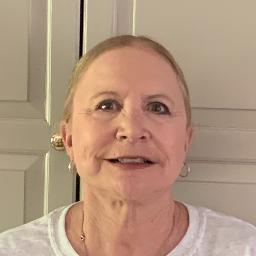
Elizabeth Carter
LMHC
Practical support for stress and attachment
- Stress, Anxiety
- Trauma and abuse
- Parenting
Attachment-based therapy directory
343 therapists in this directory list Licensed Mental Health Counselor (LMHC). Registration details are shown as each therapist lists them; the body's own public register is the place to check a number.
A Licensed Mental Health Counselor (LMHC) is a state-licensed clinician who has completed graduate training and supervised clinical hours to provide psychotherapy and counseling. Below you can browse verified LMHC therapists and view their listed specialties and approaches.
LMHC
Practical support for stress and attachment
LMHC
Compassionate counselor focused on attachment and coping
LMHC
Skilled guide for stress, relationships, and healing
LMHC, LCPC
Practical support for stress and life change
LMHC
Calm, practical support for lasting change
LMHC
Practical, steady support for life’s hard moments
LMHC
Experienced attachment-informed counselor
LMHC
Compassionate counselor for attachment and life change
LMHC
Compassionate LMHC focusing on attachment and connection
LMHC
Compassionate counselor blending attachment and practical skills
LMHC
Compassionate, practical support for everyday struggles
LMHC
Compassionate counselor blending attachment and practical skills
LMHC, LPCC
Compassionate skill-building for everyday challenges
LMHC
Experienced counselor focused on attachment and practical skills
LMHC
Steady, practical therapy focused on attachment and values
LMHC
Attachment-focused counselor blending practical therapies
LMHC
Compassionate, practical support for overwhelmed adults
LMHC
Practical, attachment-informed care for everyday struggles
LMHC
Calm, practical therapy for relationships and mood
LMHC
Compassionate listener who helps unpack old relational wounds
LMHC
Experienced LMHC focused on attachment and recovery
LMHC
Compassionate guidance for life and addiction struggles
LMHC
Compassionate therapy grounded in relationships
LMHC
Compassionate, practical counseling for life changes
LPC, LMHC
Collaborative counselor focused on steady, practical change
LMHC
Calm, practical support for attachment wounds
LMHC
Relational and action-focused therapy for life changes
LMHC
Grounded counseling for stress and attachment
LMHC
Calm, practical support for life’s toughest moments
LMHC
Compassionate, practical therapy for life transitions
LMHC, LPC
Attachment-informed therapist focused on practical change
LMHC
Therapist focused on attachment and coping
LMHC
Warm licensed counselor focused on attachment and coping
LMHC
Gentle, practical therapy for everyday challenges
LMHC
Compassionate LMHC focusing on attachment and coping
LPC, LMHC
Compassionate therapist helping people make workable choices
LMHC
Calm, collaborative counseling rooted in attachment principles
LMHC
Compassionate therapist helping people rebuild security
Attachment-informed therapist for relationships and life changes
LMHC
Calm practical support for emotional change
LMHC
Compassionate counselor for relationship and life stress
LMHC
Attachment-informed, practical support for change
LMHC
Compassionate counselor focused on attachment and coping
LMHC
Compassionate counselor who focuses on attachment
LMHC
Restoring connection and easing relationship pain
Some links on this page are partner links. We will earn a commission if you sign up through one, at no cost to you. It does not change what you pay or the order of the listings.
The LMHC designation identifies a clinician who has met state requirements to practice professional counseling. In most states this begins with a master’s degree in counseling, clinical mental health counseling, or a closely related field such as counseling psychology. After graduate study, candidates complete a period of supervised clinical practice, during which they accumulate a set number of clinical hours under the direction of a licensed professional. Successful completion of a state licensing exam and any required jurisprudence or ethics components leads to full licensure as an LMHC.
While degree titles and exact hour requirements vary by jurisdiction, the common elements are advanced coursework in clinical theory, assessment, ethics, and intervention, plus supervised client work and passage of a licensing exam. Many LMHCs also pursue continuing education to maintain their license, demonstrating ongoing engagement with current practice issues and ethical standards. When you look at a profile, you will often see the clinician’s graduate degree, licensure state, and the year licensure was granted, which can help you understand their formal educational background.
As a licensed counseling professional, an LMHC is authorized to assess, formulate treatment goals, and provide psychotherapy for a wide range of emotional and behavioral concerns. Unlike medical professionals, LMHCs do not prescribe medication. If medication is part of care, LMHCs commonly collaborate with psychiatrists, primary care providers, or other prescribers. Compared with psychologists, who may hold doctoral degrees and engage in psychological testing as a core element of their practice, LMHCs often focus on talk therapy, skills-based interventions, and ongoing counseling. Compared with social work licenses, LMHCs come from a counseling-centered education that emphasizes clinical techniques and therapeutic relationships.
Licensure titles can differ by state - you may encounter licensed professional counselors, licensed clinical professional counselors, or similar abbreviations. The key shared feature is that each license type signals a regulated pathway: graduate education, supervised clinical hours, and a passed licensure exam. When you are comparing professionals, consider the license type alongside experience, treatment focus, and the kinds of approaches a counselor lists on their profile, rather than assuming identical roles across different credentials.
LMHCs work with people across the lifespan and often list specialties that reflect common counseling needs. Many LMHCs focus on mood concerns such as depression and anxiety, relationship and family dynamics, trauma-related difficulties, grief and loss, life transitions, and stress management. Others highlight work with specific populations, including adolescents, adults, couples, or parents. Because LMHC training emphasizes clinical intervention, you will frequently find counselors who focus on skill-building and coping strategies alongside longer-term relational work.
When exploring profiles, you will also see LMHCs who list particular therapeutic approaches among the methods they use. For example, some therapists list cognitive behavioral approaches, psychodynamic-informed work, somatic-oriented practices, or therapies that address attachment patterns. If you are interested in trauma-focused work, you may notice therapists who list EMDR among their approaches; if you are curious about relational models, you may see internal family systems or family systems language noted. Remember that a listed approach indicates the therapist uses that approach in practice, not that the profile alone verifies formal certification or training credentials.
Verifying licensure is an important step when you are selecting a therapist. The most direct way to confirm an LMHC credential is to check the licensing board for the state where the counselor practices. Most state boards maintain an online license lookup where you can search by name or license number to confirm that the license is current, view the license issue date, and see whether any disciplinary actions have been recorded. This public record gives you a reliable starting point for verification.
In addition to the licensing board, you can review the clinician’s educational background as listed on their profile. Graduate degree information and the institution attended provide context about formal training. If a verification check raises questions, you can ask the clinician or their practice directly for clarification about licensure status, supervised experience, or continuing education courses. When speaking with a prospective counselor, many people find it helpful to inquire about how long the clinician has been practicing in their stated specialty and what kinds of client concerns they commonly address.
Choosing an LMHC can be a good fit if you want a clinician whose education centers on counseling theory and clinical intervention. LMHCs typically spend their training developing skills in assessment, formulation, and therapeutic techniques that support change over time. If you are seeking help with relational patterns, attachment concerns, life transitions, or coping strategies for mood and anxiety, an LMHC’s focus on psychotherapy and counseling may align well with your goals.
When you search for the right LMHC, start by clarifying what matters most to you. Think about whether you prefer short-term, skills-focused work or longer-term relational exploration. Note any preferences for age group, cultural competency, language, or approach. Use profiles to compare how counselors describe their specialties and the populations they serve. If attachment is central to your concerns, look for clinicians who explicitly mention attachment-focused work or relational approaches in their profiles. You may also consider practical factors such as session format - many LMHCs list whether they work in-person, online, or both - and whether they communicate in a language you are comfortable with.
When you are ready to reach out, prepare a few questions that matter to you. Ask about the therapist’s experience with issues similar to yours, how they typically structure sessions, and what a first few sessions might focus on. In early conversations, notice whether the clinician’s communication style and explanations feel clear and respectful. Finding the right match often takes a combination of researching profiles and trusting your impressions from initial interactions. A thoughtful approach to verification and comparison will help you identify an LMHC whose background and therapeutic approach align with your priorities.