
Michelle Smith, LPC, LIMHP
Therapist in Nebraska
Michelle Smith, LPC, LIMHP, is a licensed mental health therapist practicing in Nebraska with 15 years of experience.
- Licensed inNebraska, Colorado
- License1201, LPC.0023564
- NPI 1477933240
- Experience15+ years
- LanguagesEnglish
Details are as listed on the therapist's public professional profile. You can check any license with the state board and any NPI with the national registry.
About Michelle
Michelle Smith, LPC, LIMHP, is a licensed mental health therapist practicing in Nebraska with 15 years of experience. She focuses on helping people rebuild after setbacks and find a clearer sense of who they are. Michelle aims to help clients trust their intuition and let go of rigid expectations so they can move forward with more confidence.
She works with people facing stress, anxiety, depression, grief, trauma and burnout. Michelle also helps those struggling with relationship patterns, attachment issues, codependency, and family of origin concerns.
Background and approach
She supports people dealing with gender dysphoria, LGBT issues, and questions about identity and life purpose. Michelle blends practical approaches with a warm, client-centered style. She uses attachment-based ideas to look at how early relationships shape current patterns.
Cognitive Behavioral Therapy and Acceptance and Commitment Therapy are used to teach concrete skills for managing thoughts and emotions. Sessions may include learning coping skills, practicing communication strategies, and addressing abandonment wounds or unresolved grief. The work often focuses on small, steady changes that add up over time.
Michelle encourages self-compassion and realistic goal setting while people learn new ways to respond to old hurts. Her aim is to help clients calm their nervous system, integrate past experiences, and build a meaningful next chapter. The approach is collaborative and paced to what each person needs as they heal and grow.
Credentials
- LIMHP (Nebraska)
- License 1201 · expires September 2026
- LPC (Colorado)
- License LPC.0023564 · expires August 2027
- NPI
- 1477933240 · national provider identifier
Both are public records. A state board register will confirm a license and its standing, and the national registry will confirm an NPI. This directory copies what the therapist lists and checks neither.
Focus areas and approaches
Everything Michelle lists on their public professional profile, in their own terms.
- Stress, Anxiety
- Relationship issues
- Self esteem
- Coping with life changes
- Compassion fatigue
- LGBT
- Family conflicts
- Trauma and abuse
- Grief
- Parenting issues
- Career difficulties
- Bipolar disorder
- Depression
- Coaching
- Abandonment
- Attachment issues
- Codependency
- Communication problems
- Family of origin issues
- Forgiveness
- Gender dysphoria
- Isolation / loneliness
- Life purpose
- Midlife crisis
- Money and financial issues
- Mood disorders
- Post-traumatic stress
- Self-love
- Women's issues
Approaches Michelle names
- Attachment-Based Therapy
- Acceptance and Commitment Therapy (ACT)
- Client-Centered Therapy
- Cognitive Behavioral Therapy (CBT)
- Dialectical Behavior Therapy (DBT)
- Gottman Method
- Jungian Therapy
- Mindfulness Therapy
- Narrative Therapy
- Psychodynamic Therapy
- Trauma-Focused Therapy
Naming an approach is not evidence of training in it. This directory copies what each therapist lists and does not check training records.
Online support
How therapeutic approaches translate to online care
Attachment-Based Therapy looks at how early relationships shape current patterns. Online sessions explore attachment wounds and how they show up in close relationships, helping people practice new ways of relating. Acceptance and Commitment Therapy, or ACT, teaches how to notice painful thoughts and commit to values-based actions. It can help with anxiety, depression, and life changes by focusing on what matters most and taking small steps.Choosing an approach is a collaborative process. The therapist will listen to goals and preferences, then suggest methods that fit the person's needs. Over time the plan can shift as progress is made and priorities change, so the client helps shape what happens in sessions.
Online therapy offers flexible options like video calls, phone sessions, live chat, and text-based messaging. Video calls allow face-to-face conversation and visual cues. Phone sessions need less bandwidth and can work well for a shorter check-in. Live chat or text messaging is useful for quick support, processing between sessions, or when typing feels easier than speaking. These formats make it possible to fit therapy into work breaks, travel days, or busy schedules while keeping the focus on steady, practical progress.
We will earn a commission if you sign up through our link, at no cost to you. It does not change what you pay or the order of the listings.
Frequently asked
What issues does Michelle commonly address?
She helps with stress, anxiety, depression, grief, trauma, relationship and attachment concerns, compassion fatigue, and issues related to identity and life purpose.
What is her therapeutic style like?
Her style is warm and client-centered, focused on collaboration, practical skills, and helping people integrate past experiences into a healthier present.
How much experience does she have?
Michelle has 15 years of clinical experience working with a range of mood, trauma, and relationship concerns.
What credentials and location are listed?
She holds LPC and LIMHP credentials and is based in Nebraska. The credential abbreviations stand for Licensed Professional Counselor and Licensed Independent Mental Health Practitioner.
In which language can sessions be conducted?
Sessions are offered in English. International clients are not currently accepted.
What session formats are available?
Sessions are offered via video calls, phone sessions, live chat, and text-based messaging depending on the format chosen.
How is cost handled for sessions?
Cost varies with location and therapist availability; sessions use a subscription model that can be canceled at any time.
What steps are involved in getting started?
Begin by selecting the Start Therapy button, complete a short matching questionnaire, and schedule sessions based on therapist availability.
More therapists in Nebraska
See all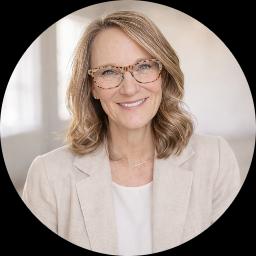
Carrie Gottschalk
LIMHP
Compassionate therapist focused on attachment and practical skills
- Stress, Anxiety
- Trauma and abuse
- Self esteem
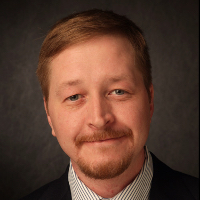
Ryan Suhr
LMHC, LIMHP
Compassionate, goal-focused therapy for real life
- Stress, Anxiety
- Addictions
- Relationship
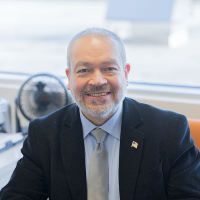
Dr. Carlos Del Rio
LIMHP
Relationship and attachment focused clinician
- Stress, Anxiety
- Relationship
- Intimacy-related issues
Is this your profile?
Ask us to correct details or take the page down.
Contact us