- Licensed inCalifornia
- License106544
- NPI 1922388214
- Experience9+ years
- LanguagesEnglish
Details are as listed on the therapist's public professional profile. You can check any license with the state board and any NPI with the national registry.
About Marva
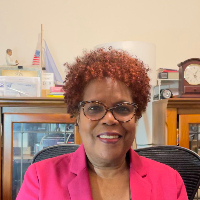
Dr. Marva Bourne is a licensed marriage and family therapist (LMFT) based in California with nine years of clinical experience. She focuses on helping people manage stress, anxiety, relationship struggles, grief, depression, and addiction.
She also supports those dealing with parenting challenges, sleep and eating concerns, anger, and life changes such as career shifts or moving through adoption and foster care situations. Her work emphasizes attachment and how early relationships shape current feelings and behaviors.
Background and approach
She draws on Attachment-Based Therapy to look at patterns in close relationships and client-centered methods to keep sessions focused on each person’s goals. She also uses elements of cognitive behavioral work and emotionally-focused techniques when those approaches fit the problem at hand.
In a typical session she listens to what matters most to the client, helps name unhelpful patterns, and works with them to try practical changes. Parents will find concrete strategies for parenting stress and blended family dynamics. People coping with trauma or loss get steady, focused support aimed at managing symptoms and rebuilding routine.
Dr. Bourne’s background includes advanced graduate degrees in marriage and family therapy and education counseling, plus experience in social work settings. That mix informs a practical, relational approach to therapy.
She speaks English and practices in California as an LMFT. To begin, a person chooses the Start Therapy button, completes a short matching questionnaire, and schedules sessions based on therapist availability. Sessions are offered by video call, phone, live chat, or text-based messaging, and subscriptions can be canceled at any time.
Credentials
- LMFT (California)
- License 106544 · expires October 2027
- NPI
- 1922388214 · national provider identifier
Both are public records. A state board register will confirm a license and its standing, and the national registry will confirm an NPI. This directory copies what the therapist lists and checks neither.
Focus areas and approaches
Everything Marva lists on their public professional profile, in their own terms.
- Stress, Anxiety
- Relationship issues
- Trauma and abuse
- Grief
- Depression
- Addictions
- Family conflicts
- Intimacy-related issues
- Eating disorders
- Sleeping disorders
- Parenting issues
- Anger management
- Self esteem
- Career difficulties
- Coping with life changes
- ADHD
- Adoption and foster care
- Attachment issues
- Blended family issues
- Caregiver issues and stress
- Guilt and shame
- Infidelity
- Isolation / loneliness
- Life purpose
- Multicultural concerns
- Obsessions, compulsions, and OCD
- Panic disorder and panic attacks
- Social anxiety and phobia
Approaches Marva names
- Attachment-Based Therapy
- Client-Centered Therapy
- Cognitive Behavioral Therapy (CBT)
- Emotionally-Focused Therapy (EFT)
- Gottman Method
- Solution-Focused Therapy
- Trauma-Focused Therapy
Naming an approach is not evidence of training in it. This directory copies what each therapist lists and does not check training records.
Online support
How attachment work and online sessions fit together
Attachment-Based Therapy looks at how early relationship patterns affect current feelings and reactions. It helps people understand why they may feel disconnected, become easily anxious in relationships, or repeat old patterns with partners and children. Client-Centered Therapy focuses on listening, empathy, and the client’s own goals; it helps people feel heard and decide what they want to change. Cognitive Behavioral Therapy (CBT) looks at thoughts and behaviors that keep problems going and offers simple tools to test and change them, which is useful for anxiety, panic, and mood concerns.Finding the right approach is a collaborative process. The therapist will talk with the client about goals, try out methods that fit the issue, and adapt the work as progress is made. That means sessions may blend attachment-focused conversation, empathy-driven listening, and CBT techniques depending on what the client needs and prefers.
Online sessions use video calls, phone sessions, live chat, or text-based messaging to make therapy flexible. Video calls let you work face-to-face from wherever you are, phone sessions can be easier when bandwidth is limited, live chat can allow a shorter check-in during a work break, and text messaging supports brief ongoing reflection between sessions. These options make it easier to fit therapy into a busy life and to continue work through transitions.
We will earn a commission if you sign up through our link, at no cost to you. It does not change what you pay or the order of the listings.
Frequently asked
What concerns does she help with?
She helps with stress, anxiety, relationship and intimacy issues, trauma and abuse, grief, depression, addictions, parenting challenges, and ADHD among other concerns.
How would you describe her therapeutic style?
Her style is relational and practical, using attachment-informed work alongside client-centered and CBT techniques to address feelings and everyday behavior.
What is her professional background?
She holds a doctoral degree in marriage and family therapy and has nine years of clinical experience working in therapy and social work settings.
Where is she licensed and based?
She is a California LMFT and provides services while practicing in California.
Which languages are sessions offered in?
Sessions are offered in English.
Can international clients work with her?
International clients are not currently accepted.
What session formats are available?
Sessions are available by video calls, phone sessions, live chat, or text-based messaging to fit different schedules and needs.
How are fees and getting started handled?
Costs vary with location and therapist availability and use a subscription that can be canceled at any time. To get started use the Start Therapy button, complete a short matching questionnaire, and schedule according to availability.
More therapists in California
See all
Gian Sarabia
LMFT
Attachment-minded LMFT offering practical support
- Trauma and abuse
- Intimacy-related issues
- Bipolar

Katherine Eldean
LMFT
Calm, practical therapy grounded in attachment
- Stress, Anxiety
- Addictions
- Relationship
Mary Ann Godefroy
LPCC, LPC
Calm, practical therapy for real-life challenges
- Stress, Anxiety
- Addictions
- Relationship
Is this your profile?
Ask us to correct details or take the page down.
Contact us