
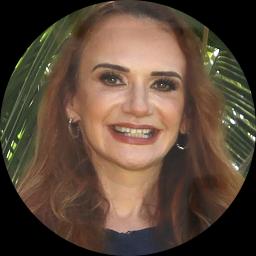
Destiny Howell, LCSW
Therapist in California
Destiny Howell is a licensed clinical social worker who centers Attachment-based therapy alongside practical talk therapy.
- Licensed inCalifornia
- License129679
- NPI 1033605001
- Experience10+ years
- LanguagesEnglish
Details are as listed on the therapist's public professional profile. You can check any license with the state board and any NPI with the national registry.
About Destiny
Destiny Howell is a licensed clinical social worker who centers Attachment-based therapy alongside practical talk therapy. She focuses on helping people manage anxiety, depression, and major life changes. Her style is direct and compassionate, aimed at creating space for honest conversation and problem solving.
She supports people dealing with stress, relationship concerns, trauma and abuse, and struggles with self-esteem. Sessions often include discussing everyday patterns, identifying what keeps problems going, and practicing new ways of responding.
Background and approach
Destiny also addresses grief, compassion fatigue, and challenges related to caregiving and parenting. Her approach draws from Acceptance and Commitment Therapy and cognitive behavioral strategies to build coping skills and shift unhelpful thinking. She uses client-centered methods to keep the person’s goals front and center.
Dialectical behavior techniques are introduced when someone needs tools for emotional regulation and distress tolerance. People who feel stuck by attachment wounds or abandonment can work on understanding those patterns and trying different ways of connecting. Destiny pays attention to cultural background and faith when it matters to a client’s story, including Black and Christian identities.
The aim is practical change that fits each person’s life. She brings ten years of clinical experience as a California LCSW. Conversations lead to concrete steps - new habits, clearer communication, and strategies that help daily functioning.
The tone in sessions is hopeful but realistic, with steady support for each person’s pace.
Credentials
- LCSW (California)
- License 129679 · expires April 2027
- NPI
- 1033605001 · national provider identifier
Both are public records. A state board register will confirm a license and its standing, and the national registry will confirm an NPI. This directory copies what the therapist lists and checks neither.
Focus areas and approaches
Everything Destiny lists on their public professional profile, in their own terms.
- Stress, Anxiety
- Family conflicts
- Depression
- Coping with life changes
- Compassion fatigue
- Addictions
- LGBT
- Relationship issues
- Trauma and abuse
- Grief
- Intimacy-related issues
- Eating disorders
- Sleeping disorders
- Parenting issues
- Anger management
- Self esteem
- Career difficulties
- Bipolar disorder
- Coaching
- ADHD
- Abandonment
- Attachment issues
- Body image
- Caregiver issues and stress
- Communication problems
- Control issues
- Divorce and separation
- Forgiveness
- Guilt and shame
- Impulsivity
- Isolation / loneliness
- Life purpose
- Mood disorders
- Obsessions, compulsions, and OCD
- Panic disorder and panic attacks
- Post-traumatic stress
- Pregnancy and childbirth
- Self-love
- Social anxiety and phobia
- Women's issues
- Workplace issues
- Young adult issues
Approaches Destiny names
- Attachment-Based Therapy
- Acceptance and Commitment Therapy (ACT)
- Client-Centered Therapy
- Cognitive Behavioral Therapy (CBT)
- Dialectical Behavior Therapy (DBT)
- Emotionally-Focused Therapy (EFT)
- Eye Movement Desensitization and Reprocessing (EMDR)
- Gottman Method
- Imago Relationship Therapy
- Mindfulness Therapy
- Motivational Interviewing
- Narrative Therapy
- Psychodynamic Therapy
- Solution-Focused Therapy
- Somatic Therapy
- Trauma-Focused Therapy
- Internal Family Systems
- Systemic Therapy
Naming an approach is not evidence of training in it. This directory copies what each therapist lists and does not check training records.
Online support
Using attachment insights and practical therapies online
Attachment-Based Therapy focuses on how early and current relationships shape how people relate today. It helps people notice patterns of closeness and distance and practice different ways of connecting. Acceptance and Commitment Therapy (ACT) teaches skills to accept difficult thoughts and make values-based choices, which is useful for anxiety, depression, and life transitions. Cognitive Behavioral Therapy (CBT) looks at thoughts and behaviors that keep problems in place and teaches simple experiments to change them, helpful for panic, OCD patterns, and mood concerns.Finding the right approach is part of the work. The therapist will collaborate with each person to identify goals, try techniques, and adjust methods based on what fits. That means sessions can blend attachment ideas with ACT or CBT tools depending on needs and preferences.
Online therapy offers several practical options. Video calls let people work face to face from a distance. Phone sessions can be used when bandwidth is low or a video check-in is not needed. Live chat and text-based messaging are available for brief check-ins, skill practice, and flexible communication between sessions. These formats make it easier to fit therapy into a busy life and to keep momentum when regular in-person visits are difficult.
We will earn a commission if you sign up through our link, at no cost to you. It does not change what you pay or the order of the listings.
Frequently asked
What concerns does she address?
She helps with anxiety, depression, stress, relationship and intimacy issues, trauma, grief, addictions, and many life-change struggles.
How would you describe her therapeutic style?
Her sessions combine Attachment-based perspectives with ACT, CBT, DBT, and client-centered methods to teach skills and explore patterns.
What kind of experience does she bring?
She has ten years of clinical experience working with a wide range of emotional and behavioral concerns.
Where is she licensed and based?
She is a licensed clinical social worker (LCSW) licensed in California and practices with that credential.
In which languages are sessions offered?
Sessions are offered in English.
What session formats are available?
Sessions can be conducted by video call, phone, live chat, or text-based messaging.
How are sessions paid for?
Costs vary with location and therapist availability; sessions use a subscription that can be canceled at any time.
How do I begin working with her?
Click the Start Therapy button, complete a short matching questionnaire, and schedule according to therapist availability.
More therapists in California
See all
Gian Sarabia
LMFT
Attachment-minded LMFT offering practical support
- Trauma and abuse
- Intimacy-related issues
- Bipolar

Katherine Eldean
LMFT
Calm, practical therapy grounded in attachment
- Stress, Anxiety
- Addictions
- Relationship
Mary Ann Godefroy
LPCC, LPC
Calm, practical therapy for real-life challenges
- Stress, Anxiety
- Addictions
- Relationship
Is this your profile?
Ask us to correct details or take the page down.
Contact us