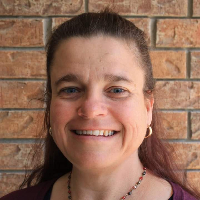
Amber White
LPC
Compassionate, practical counseling for everyday challenges
- Stress, Anxiety
- Family
- Self esteem
Attachment-based therapy directory
21 therapists based in Arkansas name attachment-based therapy among the ways they work. Sessions are online; a therapist can usually only see people in the states where they hold a license, so check the license line on each profile.
Welcome to Attachment Therapists' directory for online therapists serving Arkansas. All therapists listed here are licensed to practice in Arkansas, and you can explore profiles by approach, credentials, language, and areas of focus. Use the filters to review practitioners and find professionals who match your needs.
LPC
Compassionate, practical counseling for everyday challenges
LPC
Compassionate counselor focused on relationships and healing
LPC
Attachment-focused counselor for parents and adults
LPC
Guide who blends attachment insight with skills
LPC
Experienced counselor focused on attachment healing
LCSW
Attachment-informed LCSW helping adults heal
LCSW
Experienced LCSW focusing on attachment and resilience
LPC
A steady, practical counselor for life transitions
LPC
Compassionate counselor for attachment and life change
LCSW
Focused attachment-informed care for everyday struggles
LPC
Compassionate counselor focused on attachment and growth
LPC
Therapist focused on attachment and practical change
LPC
Compassionate, practical therapy for real problems
LPC
Empathetic counselor focused on relationships and daily coping
LPC
Hope and practical steps for emotional healing
LPC
Practical, compassionate care for life transitions
LPC
Compassionate counselor focused on attachment healing
LPC
Compassionate counselor focused on relationships and change
Some links on this page are partner links. We will earn a commission if you sign up through one, at no cost to you. It does not change what you pay or the order of the listings.
If you are exploring online therapy in Arkansas, you will find a range of licensed practitioners offering remote sessions across the state. Many therapists list a mix of approaches and specializations on their profiles so you can get a sense of their orientation and common focus areas. Because state licensure governs where a therapist may practice, most profiles will indicate whether a clinician is licensed in Arkansas and which professional credential they hold. Online sessions are typically offered by licensed professional counselors, clinical social workers, psychologists, and marriage and family therapists who list telehealth or online counseling among their approaches.
Regulatory rules can affect how and where online therapy is offered, so therapists often note whether they provide online services to Arkansas residents specifically. You can expect a variety of session formats - live video visits are most common, with some clinicians offering phone sessions or message-based support as part of their approach. Profiles generally include information about languages spoken, therapeutic focus, and the populations a therapist works with. Reading profiles closely will help you narrow options to those whose stated approaches and background align with your goals.
Online therapy can be a practical option if you live in a rural or suburban area, if travel is difficult, or if your schedule makes in-person appointments challenging. You can connect with a therapist who lists approaches and experience that resonate with you without needing to relocate or commute. For people balancing work, family, or school, remote sessions can reduce the time and stress associated with travel and provide flexibility in scheduling.
Beyond convenience, online therapy can expand the pool of professionals you can consider. If you are looking for a therapist who lists a specific approach - for example therapists who list attachment-based therapy, cognitive behavioral approaches, or other modalities among their approaches - remote sessions enable you to work with someone whose style fits your preferences even if they are not physically nearby. You can also find clinicians who work with particular life stages or issues, and you can compare credentials and languages to select a clinician who feels like a good match. When preparing for online sessions, choose a comfortable environment and, if possible, a quiet space where you can speak openly without interruption.
Online therapists in Arkansas commonly work with many of the same concerns that bring people to in-person therapy. You will find clinicians who list expertise in areas such as managing anxiety and depression, relationship and family issues, grief and loss, parenting challenges, life transitions, and stress related to work or caregiving. Some therapists note experience working with trauma-related concerns, and others list approaches they use for couples work or for supporting parents and children.
If you are seeking help for more specialized matters like trauma processing, obsessive thoughts, or complex family dynamics, look for profiles that describe the therapist's typical caseload and therapeutic approaches. Keep in mind that when a therapist lists a specific method, such as EMDR or internal family systems, that description indicates it is among the approaches they use; it does not, on its own, confirm a particular credential or training level. Profiles often describe populations served, such as adolescents, adults, couples, or perinatal clients, which can help you identify clinicians who regularly work with experiences similar to your own.
Verifying a therapist's licensure is an important step in choosing a clinician. You can request a clinician's license number from their profile or during an initial message, and then confirm the status through the appropriate Arkansas state licensing board. Each profession typically has its own board, so you will want to check the board that corresponds to the therapist's credential. Many state boards provide an online lookup where you can enter a name or license number to see whether the license is current, the expiration date, and whether any disciplinary actions are listed.
If you are unsure which board to consult, you can identify the therapist's listed credential on their profile and search for the Arkansas licensing board that governs that credential. Boards operate public portals, and a phone contact is usually available if you need assistance. When you review a public record, look for the license type, active status, and any official notes about restrictions. Confirming licensure and good standing gives you a clearer picture of a therapist's authority to practice in Arkansas and can inform your next steps when reaching out to schedule an initial conversation.
Starting with online therapy begins with clarifying what you want to work on. Take a moment to reflect on your goals, whether you want short-term coping strategies, support through a particular life challenge, or deeper work on patterns that affect relationships and well-being. Use these goals to guide which profiles you read more closely. Pay attention to the therapist's stated focus areas, populations they list, and the language they use to describe their approach. This will help you identify clinicians whose stated orientation aligns with what you are seeking.
When reviewing profiles, note the therapist's education and licensure, the therapeutic approaches they list, and any specialties that match your needs. You can also look for information about session length, fees, insurance or payment policies, and whether they mention offering sliding scale options. If a profile lists languages other than English, that detail may be important if you prefer to work in another language. Once you have a short list, reach out to ask practical questions. You might ask about the therapist's experience working with issues like yours, what a typical first session covers, how they structure ongoing work, and what technology they use for sessions. These conversations will help you evaluate rapport and fit.
Before your first online session, test your camera, microphone, and internet connection so the session starts smoothly. Choose a quiet space where you feel comfortable speaking openly - a quiet space can mean a closed room, a parked car, or another location where interruptions are unlikely. Consider how you will handle privacy at home if others are present. It can help to have a list of goals or topics you want to address, and to think about any medications, medical conditions, or other services you are using so you can share relevant context with your therapist. Be open about what you hope to get out of therapy and ask the therapist how they typically measure progress or adjust treatment to meet client needs.
Choosing the right online therapist is a personal process. You will likely know within a few sessions whether the clinician's approach and communication style feel like a fit. If not, it is reasonable to continue your search. Use profile details about approach, credentials, experience, and languages as a guide, and rely on your sense of connection and trust when making a decision. Taking these steps can help you find a clinician who supports the work you want to do and makes online therapy a practical, accessible option for care in Arkansas.