- Licensed inArkansas
- LicenseP1602021
- NPI 1477823383
- Experience10+ years
- LanguagesEnglish
Details are as listed on the therapist's public professional profile. You can check any license with the state board and any NPI with the national registry.
About Michelle
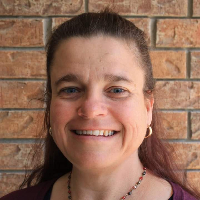
Dr. Michelle Dobson is a licensed professional counselor (LPC) in Arkansas who centers her work on attachment and relationship patterns. She draws on a decade of clinical experience to help people manage anxiety, depression, grief, parenting strain, and other life stressors.
Her approach emphasizes practical steps and clearer communication to move forward. Dr. Dobson focuses on how past relationships shape current behavior, while keeping attention on setting and reaching future goals.
Background and approach
She uses attachment-based ideas to notice patterns that affect intimacy, trust, and family dynamics. Sessions often include straightforward tools to improve communication and problem solving. She has experience addressing a wide range of concerns including trauma and abuse, bipolar mood issues, anger, and compassion fatigue.
She also works with questions about life purpose, career transitions, hoarding, and feelings of isolation. Parenting and blended family challenges are common topics in her practice. Dr.
Dobson combines person-centered listening with cognitive behavioral and mindfulness techniques. She also uses motivational interviewing and solution-focused strategies to create short-term plans and track progress. The goal is to find approaches that fit each person’s needs and daily life.
Clients can expect a collaborative relationship that looks for existing strengths. Conversations are practical, with clear steps to try between sessions. Dr.
Dobson supports people as they build new habits, repair relationships, and move toward goals.
Credentials
- LPC (Arkansas)
- License P1602021 · expires May 2027
- NPI
- 1477823383 · national provider identifier
Both are public records. A state board register will confirm a license and its standing, and the national registry will confirm an NPI. This directory copies what the therapist lists and checks neither.
Focus areas and approaches
Everything Michelle lists on their public professional profile, in their own terms.
- Stress, Anxiety
- Parenting issues
- Self esteem
- Depression
- Relationship issues
- Family conflicts
- Trauma and abuse
- Grief
- Intimacy-related issues
- Anger management
- Career difficulties
- Bipolar disorder
- Coping with life changes
- Coaching
- Compassion fatigue
- ADHD
- Abandonment
- Attachment issues
- Blended family issues
- Caregiver issues and stress
- Communication problems
- Family problems
- Forgiveness
- Guilt and shame
- Hoarding
- Impulsivity
- Isolation / loneliness
- Life purpose
- Veteran and Armed Forces Issues
- Mood disorders
- Young adult issues
Approaches Michelle names
- Attachment-Based Therapy
- Client-Centered Therapy
- Cognitive Behavioral Therapy (CBT)
- Mindfulness Therapy
- Motivational Interviewing
- Solution-Focused Therapy
- Trauma-Focused Therapy
Naming an approach is not evidence of training in it. This directory copies what each therapist lists and does not check training records.
Online support
Approaches that guide online sessions
Attachment-based work looks at patterns in relationships to understand how people form bonds and react to stress. In online sessions this helps identify recurring difficulties in intimacy, abandonment worries, and how family history shows up now. Client-centered therapy emphasizes empathic listening and collaboration; it gives space for the person to lead while the therapist reflects and supports personal insight and choice. Cognitive Behavioral Therapy (CBT) focuses on testing thoughts and trying small behavioral changes to reduce anxiety, manage mood, or change unhelpful habits. Finding the right mix of approaches is part of the process. The therapist will discuss goals, preferences, and daily routines to choose methods that fit. This is a collaborative effort where plans are adjusted as progress is made and new needs appear. Online formats offer practical flexibility. Video calls allow face-to-face conversation and visual cues, phone sessions can fit during a work break or when bandwidth is limited, and live chat or text messaging suit brief check-ins, coaching-style guidance, or ongoing support between sessions. These options make it easier to schedule consistent care and try different formats to see what works best for each person.We will earn a commission if you sign up through our link, at no cost to you. It does not change what you pay or the order of the listings.
Frequently asked
What concerns can be addressed in therapy?
Common topics include stress, anxiety, depression, parenting, relationship and family issues, trauma and abuse, grief, anger, and career changes.
What is the main therapeutic style used?
Sessions draw on attachment-based therapy alongside client-centered, cognitive behavioral, mindfulness, motivational interviewing, and solution-focused approaches.
How much experience does the therapist have?
The clinician has 10 years of clinical experience working with a range of mood and relationship concerns.
Where is the therapist licensed and located?
The therapist is an LPC licensed in Arkansas and practices from that state.
Are sessions offered in other languages or internationally?
Sessions are offered in English and international clients are not currently accepted.
What session formats are available?
Therapy is offered via video calls, phone sessions, live chat, and text-based messaging.
How does cost and billing work?
Cost varies by location and therapist availability; sessions use a subscription model that can be canceled at any time.
How do I begin therapy?
Start by selecting the Start Therapy button, complete a short matching questionnaire, and schedule according to therapist availability.
More therapists in Arkansas
See all
Amber White
LPC
Compassionate, practical counseling for everyday challenges
- Stress, Anxiety
- Family
- Self esteem
Wendi Makus
LPC
Compassionate counselor focused on relationships and healing
- Stress, Anxiety
- Relationship
- Trauma and abuse

Dr. Mary Anne Gunter
LPC
Attachment-focused counselor for parents and adults
- Relationship
- Family
- Trauma and abuse
Is this your profile?
Ask us to correct details or take the page down.
Contact us