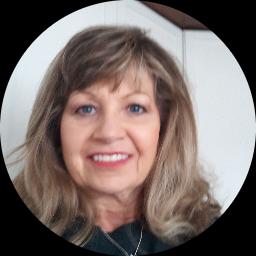
Kris Rice
LSCSW
Compassionate, experienced Kansas social worker
- Stress, Anxiety
- Relationship
- Trauma and abuse
Attachment-based therapy directory
19 therapists in this directory list Licensed Specialist Clinical Social Worker (LSCSW). Registration details are shown as each therapist lists them; the body's own public register is the place to check a number.
A Licensed Specialist Clinical Social Worker (LSCSW) is a social worker who has completed graduate education plus advanced supervised clinical experience to provide psychotherapy and clinical assessment. Below you can browse verified LSCSW therapists who work with attachment, trauma, families, children, and related concerns.
LSCSW
Compassionate, experienced Kansas social worker
LSCSW, LCSW
Attachment-aware social worker with 30 years' experience
LCSW, LSCSW
Compassionate clinician focused on attachment healing
LSCSW, LCSW
Compassionate guidance for relationship and trauma healing
LSCSW, LCSW
Compassionate, practical help for life and relationships
LCSW, LSCSW
Practical, relationship-focused therapy for real life
LSCSW
Compassionate, practical support for relationship and mood issues
LSCSW
Kansas social worker focused on relationships and stress relief
LCSW, LSCSW
Compassionate, practical support for life’s hard moments
LSCSW
Attachment-aware social worker focused on practical support
LSCSW
Attachment-based clinician focused on practical support
LSCSW
Compassionate therapist focusing on attachment and change
LSCSW
Therapist focused on relationships and resilience
LSCSW
Calm, practical support for everyday struggles
LSCSW
Compassionate social worker focused on relationships
Some links on this page are partner links. We will earn a commission if you sign up through one, at no cost to you. It does not change what you pay or the order of the listings.
A LSCSW credential signifies that a clinician completed a master of social work or equivalent graduate degree and additional supervised clinical practice beyond entry-level social work requirements. After earning a graduate degree you will typically complete a period of post-graduate supervised hours under an approved clinical supervisor, pass a state clinical licensing exam, and meet any continuing education requirements set by your state board. Requirements vary by state, so the path to LSCSW can look different depending on where you live, but the common elements are advanced graduate training and focused clinical supervision intended to prepare clinicians for independent clinical practice.
In practice a LSCSW is trained to assess mental health concerns, develop treatment plans, and provide psychotherapy across the lifespan. The social work foundation gives these clinicians skills in understanding how individual struggles relate to family systems, community resources, and social determinants of health. If you value a clinician who considers relationships and external stressors as part of mental health, a LSCSW’s training is geared toward that broader view.
You can expect a LSCSW to provide clinical assessment, psychotherapy, case coordination, and referrals to other services when needed. Unlike some entry-level social work licenses, an LSCSW generally indicates authorization for independent clinical practice. Compared with licensed professional counselors or marriage and family therapists, LSCSW clinicians bring a social work lens that emphasizes systems - including family, schools, healthcare, and community agencies - and often includes case management skills alongside therapy. Compared with psychologists, LSCSW clinicians typically focus more directly on connecting clients to pragmatic resources and addressing environmental factors that affect well-being, while also providing psychotherapy.
When you meet a LSCSW therapist you may notice a balance of clinical talk therapy and attention to the practical aspects of life that affect progress, such as housing, school supports, or caregiving needs. That does not mean a LSCSW cannot work deeply on emotional patterns or attachment issues - many do - but their training often makes them comfortable addressing both internal experience and external context in the same course of care.
LSCSW therapists often work with a wide range of concerns. Many list specialties in attachment-related difficulties, trauma and post-traumatic stress, family conflict, parenting and child development, perinatal mental health, grief and loss, and life transitions. Others practice in community mental health settings where they address substance-related concerns, chronic illness, aging, and behavioral issues in children and adolescents. Because of their systems orientation, LSCSW clinicians frequently support families, school-based interventions, and coordination with medical or social service providers.
When researching clinicians you will see a variety of approaches listed in biographies. Some therapists list EMDR among their approaches, others describe cognitive behavioral, psychodynamic, attachment-focused, or family systems methods. Listing an approach does not necessarily indicate a standardized certification; it signals that a therapist uses that method in their practice. If a particular modality matters to you, look for therapists who describe how they apply that approach to the issues you care about.
The most reliable way to confirm a LSCSW credential is through your state licensing board. Most boards have online license lookup tools where you can search by name or license number to confirm licensure status, license type, expiration date, and whether any public disciplinary actions are recorded. If you cannot find a record online you can contact the board directly for guidance. Keep in mind that license titles and abbreviations vary by state, so check the board definitions if the exact letters differ where you live.
You can also review a clinician’s public profile or CV for graduate school information and post-graduate supervision details. Many clinicians list the approving state and license number on their websites or directory profiles. If you want more context, asking a prospective therapist where they received their clinical supervision or which state board issued their license can give you concrete details to confirm through official channels.
If you are seeking someone who blends psychotherapy with attention to social and environmental factors, a LSCSW may be a strong fit. You can expect training in clinical assessment as well as familiarity with community resources and systems, which can be helpful if your needs intersect with schools, medical care, legal matters, or social services. Many LSCSW clinicians have experience working across different care settings, so they can often translate clinical goals into practical next steps outside of the therapy room.
Start by reflecting on the issues you want to address - attachment concerns, trauma, parenting, life transitions, or coordination with other services - and look for clinicians who list those areas. Read bios to get a sense of their clinical focus and the populations they work with. Consider language, cultural background, and experience with specific life stages if those factors influence rapport. When you contact a therapist or review their profile, look for clear descriptions of their approach and typical session structure. Practical matters such as session format - whether they offer in-person, telehealth, or hybrid options - and how they handle fees and insurance are also important to clarify, though those operational details change over time and are best addressed directly with the clinician or their office.
Therapeutic change often depends on the working relationship you build with a clinician. Pay attention to your sense of connection when you read a therapist’s bio or speak with them. It is reasonable to prioritize a clinician who communicates clearly about goals, boundaries, and the kinds of issues they most often address. If attachment or relational issues are central to your concerns, look for clinicians who explicitly discuss attachment work or family systems as part of their practice. That alignment between your needs and a clinician’s focus can help you find a productive match.
Choosing a LSCSW is a personal decision and you have options to weigh. Using state verification tools, reading therapist profiles carefully, and thinking through the fit factors that matter most to you will help you locate a clinician whose training and approach align with your goals.