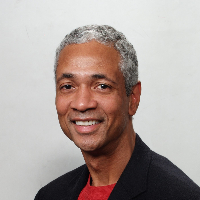
- Licensed inCalifornia
- License27260
- NPI 1982157392
- Experience26+ years
- LanguagesEnglish
Details are as listed on the therapist's public professional profile. You can check any license with the state board and any NPI with the national registry.
About Woodruff
Dr. Woodruff Johnson is a California psychologist with 26 years of clinical experience. He focuses on helping people who are facing anxiety, depression, trauma, and major life changes.
Dr. Johnson combines compassionate listening with practical strategies to help clients move forward. He often addresses stress from caregiving, grief, attachment challenges, and identity-related concerns.
His work includes support for people managing addictions, mood disorders, and the strain that comes from discrimination or multicultural stressors.
Background and approach
Sessions aim to clarify immediate problems and build steady coping skills. Dr. Johnson uses approaches that center the relationship between therapist and client.
He draws on Attachment-Based Therapy to look at how early bonds shape current patterns, and he blends that with client-centered and cognitive behavioral ideas. Mindfulness practices and hypnotherapy tools are available when they fit someone’s goals. In sessions he emphasizes collaboration and clear steps.
People leave with concrete ways to reduce panic, handle difficult emotions, or repair how they relate to others. He aims to make therapy feel practical and understandable. He holds the credential CA Psychologist 27260.
Dr. Johnson sees people in California and conducts sessions in English. The tone of his work is respectful and direct, with space for both emotional processing and skill building.
Credentials
- Psychologist (California)
- License 27260 · expires November 2026
- NPI
- 1982157392 · national provider identifier
Both are public records. A state board register will confirm a license and its standing, and the national registry will confirm an NPI. This directory copies what the therapist lists and checks neither.
Focus areas and approaches
Everything Woodruff lists on their public professional profile, in their own terms.
- Stress, Anxiety
- Trauma and abuse
- Grief
- Self esteem
- Depression
- Addictions
- LGBT
- Relationship issues
- Family conflicts
- Intimacy-related issues
- Parenting issues
- Anger management
- Bipolar disorder
- Coping with life changes
- Coaching
- Compassion fatigue
- ADHD
- Attachment issues
- Cancer
- Caregiver issues and stress
- Commitment issues
- Communication problems
- Control issues
- Coping with natural or human-caused disaster
- Dissociation
- Fatherhood issues
- First responder issues
- Forgiveness
- Guilt and shame
- Men's issues
- Midlife crisis
- Mood disorders
- Multicultural concerns
- Panic disorder and panic attacks
- Post-traumatic stress
- Pregnancy and childbirth
- Prejudice and discrimination
- Process addiction (porn, exercise, gambling)
- Seasonal Affective Disorder (SAD)
- Social anxiety and phobia
Approaches Woodruff names
- Attachment-Based Therapy
- Client-Centered Therapy
- Cognitive Behavioral Therapy (CBT)
- Hypnotherapy
- Mindfulness Therapy
- Motivational Interviewing
- Psychodynamic Therapy
- Solution-Focused Therapy
- Trauma-Focused Therapy
Naming an approach is not evidence of training in it. This directory copies what each therapist lists and does not check training records.
Online support
Attachment-informed care and online therapy
Dr. Johnson commonly uses Attachment-Based Therapy to explore how early relationships shape current patterns of relating and emotional responses. This approach looks at recurring ways of connecting to others and helps people experiment with new ways of feeling and responding.He also integrates Client-Centered Therapy, which emphasizes listening closely and following the client’s priorities, and Cognitive Behavioral Therapy, which focuses on identifying unhelpful thoughts and trying practical behavior changes. These approaches help with anxiety, depression, relationship patterns, and coping after trauma.
Finding the right mix of approaches is part of the work. He will collaborate with each person to choose methods that match their goals, needs, and preferences rather than prescribing a single path. Goals and techniques are revisited as progress is made.
Online sessions offer flexibility and practical benefits. Video calls allow a near face-to-face experience, phone sessions work when bandwidth is limited, live chat can be used for brief check-ins, and text-based messaging supports ongoing notes or shorter conversations. These options make it easier to fit therapy into busy schedules and to continue work between in-depth sessions.
We will earn a commission if you sign up through our link, at no cost to you. It does not change what you pay or the order of the listings.
Frequently asked
What concerns does Dr. Johnson address?
He helps people with stress, anxiety, depression, trauma and abuse, grief, self-esteem, addictions, relationship and intimacy-related issues, parenting stress, ADHD, and related mood concerns.
What is his therapeutic style like?
His style is compassionate and collaborative, focusing on clear steps and practical coping strategies while exploring emotional patterns and attachment dynamics.
What experience does he bring to therapy?
Dr. Johnson has 26 years of clinical experience working with a broad range of concerns including caregiver stress, first responder issues, midlife challenges, and trauma-related problems.
What are his credentials and where is he located?
He is listed as CA Psychologist 27260 and practices in California.
Which languages and international arrangements are supported?
Sessions are offered in English and he is not currently accepting international clients.
In what formats are sessions offered?
Sessions are available via video calls, phone sessions, live chat, or text-based messaging to fit different needs and schedules.
How does pricing work for therapy with him?
Cost varies with location and therapist availability; sessions use a subscription that can be canceled at any time.
How do I begin if I want to work with him?
Start by selecting the Start Therapy button, complete a short matching questionnaire, and schedule according to therapist availability.
More therapists in California
See all
Gian Sarabia
LMFT
Attachment-minded LMFT offering practical support
- Trauma and abuse
- Intimacy-related issues
- Bipolar

Katherine Eldean
LMFT
Calm, practical therapy grounded in attachment
- Stress, Anxiety
- Addictions
- Relationship
Mary Ann Godefroy
LPCC, LPC
Calm, practical therapy for real-life challenges
- Stress, Anxiety
- Addictions
- Relationship
Is this your profile?
Ask us to correct details or take the page down.
Contact us