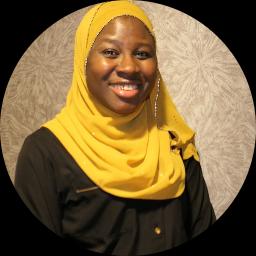
Suweba Kabiru, LCSW
Therapist in New York
Suweba Kabiru is a Licensed Clinical Social Worker (LCSW) based in New York.
- Licensed inNew York
- License099053
- NPI 1073496170
- Experience3+ years
- LanguagesEnglish
Details are as listed on the therapist's public professional profile. You can check any license with the state board and any NPI with the national registry.
About Suweba
Suweba Kabiru is a Licensed Clinical Social Worker (LCSW) based in New York. She focuses on helping people manage stress, anxiety, parenting challenges, and family concerns. She guides clients through life transitions and supports efforts to build self-esteem and motivation.
With three years of clinical experience, Suweba offers practical help for everyday problems. She listens closely and helps people identify small, doable steps. Sessions emphasize clearer communication and realistic goals rather than long lists of techniques.
Background and approach
Suweba uses attachment-based ideas to understand how past relationships shape current patterns. She pairs that perspective with client-centered listening so each person’s goals steer the work. Cognitive Behavioral Therapy tools are used to address unhelpful thoughts and behaviors when those are getting in the way.
People come for help with blended family stress, adoption and foster care issues, caregiver strain, and aging or geriatric concerns. She also addresses family of origin problems, divorce and separation, and the guilt or shame that can follow those experiences. Sessions can include work on communication, boundary setting, forgiveness, and finding a clearer sense of life purpose.
The approach is practical and straightforward: talk through what’s happening now, try new ways of responding, and adjust based on what works for the client.
Credentials
- LCSW (New York)
- License 099053 · expires November 2027
- NPI
- 1073496170 · national provider identifier
Both are public records. A state board register will confirm a license and its standing, and the national registry will confirm an NPI. This directory copies what the therapist lists and checks neither.
Focus areas and approaches
Everything Suweba lists on their public professional profile, in their own terms.
- Stress, Anxiety
- Family conflicts
- Parenting issues
- Self esteem
- Coping with life changes
- Adoption and foster care
- Aging and geriatric issues
- Attachment issues
- Blended family issues
- Caregiver issues and stress
- Communication problems
- Control issues
- Dependent personality
- Divorce and separation
- Family of origin issues
- Family problems
- Forgiveness
- Guilt and shame
- Life purpose
- Midlife crisis
- Mood disorders
- Multicultural concerns
- Polyamory / non-monogamous relationships
- Pregnancy and childbirth
- Self-love
- Workplace issues
- Young adult issues
Approaches Suweba names
- Attachment-Based Therapy
- Client-Centered Therapy
- Cognitive Behavioral Therapy (CBT)
- Dialectical Behavior Therapy (DBT)
- Emotionally-Focused Therapy (EFT)
Naming an approach is not evidence of training in it. This directory copies what each therapist lists and does not check training records.
Online support
Attachment insights and practical skills for online care
Attachment-Based Therapy looks at how early relationships shape current connections and reactions; it can help people understand patterns that affect trust, closeness, and conflict. Client-Centered Therapy centers on the person’s own goals and pace, offering a respectful, listening-focused space to figure out what matters most. Cognitive Behavioral Therapy (CBT) helps identify unhelpful thoughts and behaviors and supports learning new responses to reduce anxiety and improve daily functioning.Finding the right approach is part of the work. The therapist will collaborate with each person to choose methods that match their goals and preferences. That might mean combining attachment perspectives with CBT skills or shifting to more emotion-focused work as things change.
Online formats include video calls, phone sessions, live chat, and text-based messaging. Video is useful for deeper conversations and reading body language, phone can be a good option when bandwidth is limited, and messaging or live chat supports quick check-ins or shorter touchpoints between sessions. These options aim to make it easier to fit therapy into a busy life and to keep progress moving even when schedules change.
We will earn a commission if you sign up through our link, at no cost to you. It does not change what you pay or the order of the listings.
Frequently asked
What kinds of concerns can be addressed?
Suweba helps with stress, anxiety, family and parenting concerns, self-esteem, and coping with life changes. Additional focus areas include adoption and foster care, caregiver stress, and blended family issues.
How would you describe the therapy style?
Her style blends attachment-based perspectives with client-centered listening and practical CBT or DBT skills. Sessions tend to be collaborative and focused on clear, actionable steps.
What is her clinical background?
She has three years of experience working as a clinician and holds a Licensed Clinical Social Worker credential. That background informs a balance of emotional understanding and skill-building.
Where is she licensed and located?
She practices as an LCSW in New York. Services are listed for that state and follow regional licensing rules.
Which languages are supported for sessions?
Sessions are offered in English.
What formats are available for online sessions?
Sessions can be conducted via video calls, phone sessions, live chat, or text-based messaging to suit different needs and schedules.
How does pricing work?
Cost varies with location and the subscription model used by the service. The subscription can be canceled at any time.
How do I begin working with her?
Start by selecting the Start Therapy button, completing a short matching questionnaire, and then scheduling according to therapist availability.
More therapists in New York
See all
Alona Perlin
LCSW
Practical, warm therapy for attachment and stress
- Stress, Anxiety
- Relationship
- Trauma and abuse
Mi Jung You
LMHC
Practical, steady support for life’s hard moments
- Stress, Anxiety
- Relationship
- Family

Dr. Sung Ho Kim
NY Psychoanalyst
Experienced psychoanalyst focusing on attachment and coping
- Stress, Anxiety
- Relationship
- Trauma and abuse
Is this your profile?
Ask us to correct details or take the page down.
Contact us