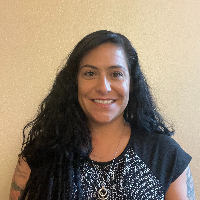
Rachel Williams, LCSW
Therapist in Utah
Rachel Williams is a Licensed Clinical Social Worker (LCSW) based in Utah.
- Licensed inUtah
- License14050997-3501
- NPI 1003473422
- Experience3+ years
- LanguagesEnglish
Details are as listed on the therapist's public professional profile. You can check any license with the state board and any NPI with the national registry.
About Rachel
Rachel Williams is a Licensed Clinical Social Worker (LCSW) based in Utah. She brings three years of clinical experience working with people facing anxiety, depression, addiction, and trauma. Rachel focuses on practical skills and steady support so people can manage hard moments and make day-to-day changes.
Her approach begins with listening. Rachel uses client-centered conversations to understand each person's unique situation. She aims to build trust and help clients name what feels most urgent in their lives.
Background and approach
This creates a clear starting point for therapy. Rachel draws on several therapy methods to meet different needs. She uses Attachment-Based ideas to look at relationship patterns, Cognitive Behavioral Therapy to address unhelpful thoughts and behaviors, and EMDR for people processing traumatic memories.
Mindfulness practices and motivational interviewing also appear in sessions when they fit the client's goals. Sessions are practical and goal-oriented. Rachel helps people break problems into small steps and practices skills between meetings.
She also supports exploration of family of origin issues, codependency, intimacy concerns, and struggles with self-worth. Parents who feel overwhelmed by caregiving demands and people coping with life changes often find her style accessible. Rachel aims to make therapy feel manageable for busy lives.
She encourages straightforward conversation about stressors and keeps the focus on what clients want to change next.
Credentials
- LCSW (Utah)
- License 14050997-3501 · expires September 2026
- NPI
- 1003473422 · national provider identifier
Both are public records. A state board register will confirm a license and its standing, and the national registry will confirm an NPI. This directory copies what the therapist lists and checks neither.
Focus areas and approaches
Everything Rachel lists on their public professional profile, in their own terms.
- Stress, Anxiety
- Parenting issues
- Self esteem
- Depression
- Coping with life changes
- Addictions
- LGBT
- Trauma and abuse
- Grief
- Intimacy-related issues
- Bipolar disorder
- ADHD
- Attachment issues
- Codependency
- Communication problems
- Drug and alcohol addiction
- Family of origin issues
- Isolation / loneliness
- Post-traumatic stress
- Self-love
Approaches Rachel names
- Attachment-Based Therapy
- Client-Centered Therapy
- Cognitive Behavioral Therapy (CBT)
- Eye Movement Desensitization and Reprocessing (EMDR)
- Mindfulness Therapy
- Motivational Interviewing
- Psychodynamic Therapy
- Solution-Focused Therapy
- Trauma-Focused Therapy
Naming an approach is not evidence of training in it. This directory copies what each therapist lists and does not check training records.
Online support
How Rachel’s Approaches Work Online
Attachment-Based Therapy focuses on patterns in close relationships and early bonds. Online sessions can help people notice how those patterns show up now and practice new ways of relating. Cognitive Behavioral Therapy, or CBT, looks at the links between thoughts, feelings, and behaviors and teaches concrete skills to change unhelpful patterns. This is useful for anxiety, depression, and stress. Eye Movement Desensitization and Reprocessing, EMDR, is used to process traumatic memories through structured sessions that can reduce the intensity of distressing recollections.Choosing the right approach is a collaborative process. Rachel will talk with each person about their history, goals, and what feels most comfortable. Together they decide which methods to try and adjust the plan as progress is made or priorities change.
Online formats include video calls, phone sessions, live chat, and text-based messaging. Video works well for a deeper conversational session and skill practice. Phone calls are a good option when bandwidth is limited or a simpler check-in is needed. Live chat and text messaging let people send short updates, ask quick questions, or keep momentum between longer sessions. These options make therapy more flexible and easier to fit into busy days while keeping the focus on practical change.
We will earn a commission if you sign up through our link, at no cost to you. It does not change what you pay or the order of the listings.
Frequently asked
What concerns does Rachel often address?
She works with stress, anxiety, depression, addictions, trauma and abuse, grief, parenting challenges, self-esteem, bipolar disorder, ADHD, and LGBT-related issues.
How would you describe her therapeutic style?
She uses a client-centered and practical style, combining listening with skill-building and goal-setting to help people cope and make changes.
What is her clinical experience?
Rachel has three years of clinical experience supporting people with a range of mental health and life concerns.
What are her credentials and where is she based?
She holds an LCSW credential and practices from Utah.
Which languages are offered and can she see international clients?
Sessions are offered in English and she is not accepting international clients at this time.
What session formats does she provide?
She offers video calls, phone sessions, live chat, and text-based messaging as session formats.
How does payment work and what does it cost?
Cost varies with location and therapist availability; sessions use a subscription model that can be canceled at any time.
How do I begin working with her?
Start by selecting the Start Therapy button, complete a short matching questionnaire, and schedule sessions according to the therapist's availability.
More therapists in Utah
See all
McKayla Phillips
LCMHC
Support for stress, loss, and relationship strain
- Stress, Anxiety
- Addictions
- Relationship
Charlie Johnson
LCSW
Supportive social worker focused on relationships and coping
- Stress, Anxiety
- Addictions
- Relationship
Monica Rawlings
LCMHC
Compassionate counselor focused on attachment and recovery
- Stress, Anxiety
- Addictions
- Relationship
Is this your profile?
Ask us to correct details or take the page down.
Contact us