
- Licensed inCalifornia
- License44285
- NPI 1033303441
- Experience30+ years
- LanguagesEnglish
Details are as listed on the therapist's public professional profile. You can check any license with the state board and any NPI with the national registry.
About Kimball
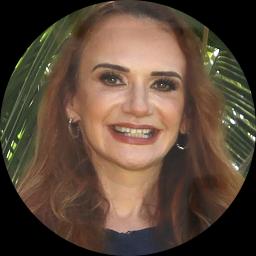
Dr. Kimball Pier helps people cope with relationship strain, trauma and abuse, grief, parenting stress, anxiety, addiction concerns, and major life changes. She is a licensed marriage and family therapist with 30 years of clinical experience based in California.
Dr. Pier listens for what matters most and guides practical next steps that people can use between sessions. Her work often focuses on the emotional aftermath of loss and life transitions.
Background and approach
She supports people who are managing family conflict, separation and divorce, blended family challenges, and the stress of caregiving. She also addresses body image, intimacy-related issues, and the emotional effects of chronic illness. Dr.
Pier uses attachment-based ideas to understand how early relationships shape current patterns. She blends that perspective with mindfulness and somatic work to help people notice how feelings show up in the body. When appropriate, she draws on the Gottman Method and Jungian ideas to look at relationship patterns and personal meaning.
Sessions include clear, calm conversation and concrete practices to try between meetings. She brings humility, sensitivity, and steady support to each session while helping people build coping tools and clearer communication skills. Her background includes long experience with mediation, developing parenting plans, and working with people facing substance use and depression.
People who want thoughtful, experience-based guidance around relationships and big life shifts often seek her perspective.
Credentials
- LMFT (California)
- License 44285 · expires March 2026
- NPI
- 1033303441 · national provider identifier
Both are public records. A state board register will confirm a license and its standing, and the national registry will confirm an NPI. This directory copies what the therapist lists and checks neither.
Focus areas and approaches
Everything Kimball lists on their public professional profile, in their own terms.
- Relationship issues
- Family conflicts
- Trauma and abuse
- Grief
- Parenting issues
- Stress, Anxiety
- Addictions
- Intimacy-related issues
- Eating disorders
- Anger management
- Self esteem
- Career difficulties
- Bipolar disorder
- Depression
- Coping with life changes
- Compassion fatigue
- Abandonment
- Attachment issues
- Blended family issues
- Body image
- Caregiver issues and stress
- Chronic pain, illness, and disability
- Communication problems
- Divorce and separation
- Domestic violence
- Drug and alcohol addiction
- Family of origin issues
- Family problems
- Forgiveness
- Guilt and shame
- Hospice and end-of-life counseling
- Isolation / loneliness
- Mood disorders
- Multicultural concerns
- Personality disorders
- Post-traumatic stress
- Prejudice and discrimination
- Women's issues
- Workplace issues
Approaches Kimball names
- Attachment-Based Therapy
- Gottman Method
- Jungian Therapy
- Mindfulness Therapy
- Somatic Therapy
- Trauma-Focused Therapy
- Systemic Therapy
Naming an approach is not evidence of training in it. This directory copies what each therapist lists and does not check training records.
Online support
Attachment and Somatic Approaches Online
Dr. Pier uses attachment-based ideas to help people see how past relationships shape present reactions and connection patterns. This perspective can be useful for people struggling with intimacy, abandonment concerns, or repeated relationship cycles.She also integrates mindfulness therapy to build awareness of thoughts and emotions, and somatic therapy to notice how feelings show up in the body and change with gentle practice. Mindfulness helps with anxiety and stress, while somatic work can assist with trauma-related tension and emotional regulation.
Finding the right approach is part of the work. She collaborates with each person to choose methods that match their needs, goals, and comfort level. That conversation happens early and continues as progress unfolds.
Online sessions are offered via video calls, phone sessions, live chat, or text-based messaging to provide flexibility. Video lets people read facial cues and practice communication in real time. Phone sessions work well when bandwidth is limited or when someone prefers not to use video. Live chat and text-based messaging are helpful for shorter check-ins, reflection between sessions, or maintaining continuity during busy weeks. These options make it easier to fit therapy into weekday schedules, caregiving routines, or periods of travel.
We will earn a commission if you sign up through our link, at no cost to you. It does not change what you pay or the order of the listings.
Frequently asked
What types of concerns does she address?
She supports people with relationship problems, trauma and abuse, grief, parenting stress, addiction concerns, anxiety, depression, and life transitions.
How would you describe her therapeutic style?
Her style is listening first, then offering practical steps. Sessions combine calm conversation, reflective work, and exercises to try between meetings.
What is her clinical background and experience?
She is a licensed marriage and family therapist with 30 years of clinical experience working in a variety of settings and with many relationship and loss issues.
Where is she located and what credential does she hold?
She practices from California and holds the LMFT credential, listed as CA LMFT in her profile.
Which languages are supported for sessions?
Sessions are offered in English, and she accepts international clients.
What session formats are available?
She provides video calls, phone sessions, live chat, and text-based messaging to fit different schedules and needs.
How is cost handled for sessions?
Cost varies with location and therapist availability; sessions use a subscription model that can be canceled at any time.
What are the steps to begin working together?
Start by selecting the Start Therapy button, complete a short matching questionnaire, and then schedule sessions according to therapist availability.
More therapists in California
See all
Gian Sarabia
LMFT
Attachment-minded LMFT offering practical support
- Trauma and abuse
- Intimacy-related issues
- Bipolar

Katherine Eldean
LMFT
Calm, practical therapy grounded in attachment
- Stress, Anxiety
- Addictions
- Relationship
Mary Ann Godefroy
LPCC, LPC
Calm, practical therapy for real-life challenges
- Stress, Anxiety
- Addictions
- Relationship
Is this your profile?
Ask us to correct details or take the page down.
Contact us