- Licensed inGeorgia
- LicenseLPC006307
- NPI 1316015969
- Experience19+ years
- LanguagesEnglish
Details are as listed on the therapist's public professional profile. You can check any license with the state board and any NPI with the national registry.
About Kenika
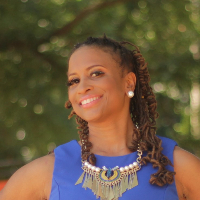
Dr. Kenika Holloway greets people with a calm, practical approach to stress, anxiety, relationship and intimacy concerns. She listens first to understand what is most pressing, then helps clients find small, usable steps they can try right away.
She aims to make therapy straightforward and focused on each person's real life needs. Dr. Holloway is a licensed professional counselor - LPC - with 19 years of experience in Georgia.
She earned her master’s and doctoral degrees from Mercer University.
Background and approach
Earlier roles include work at a domestic violence shelter, substance abuse treatment programs, community mental health agencies, and independent practice settings. Her work mixes several familiar approaches, including Attachment-Based Therapy, client-centered ways of listening, and cognitive behavioral techniques that help people change unhelpful thoughts and habits. She also draws on emotionally-focused ideas and mindfulness practices when those fit a person's situation.
Sessions often weave teaching, skill-building, and practical problem solving. Clients can expect a collaborative tone: Dr. Holloway asks what matters most, sets realistic goals, and checks in on progress.
She addresses concerns like self-esteem, grief, anger, career shifts, compassion fatigue, ADHD, addictions, and seasonal mood changes. Communication problems, life purpose, and women’s issues are also areas she commonly supports. Her style is adaptable rather than one-size-fits-all.
She offers a mix of short-term strategies and longer-term work depending on each client's goals. The emphasis is on clear steps, useful skills, and steady progress over time.
Credentials
- LPC (Georgia)
- License LPC006307 · expires September 2026
- NPI
- 1316015969 · national provider identifier
Both are public records. A state board register will confirm a license and its standing, and the national registry will confirm an NPI. This directory copies what the therapist lists and checks neither.
Focus areas and approaches
Everything Kenika lists on their public professional profile, in their own terms.
- Stress, Anxiety
- Relationship issues
- Intimacy-related issues
- Self esteem
- Coping with life changes
- Addictions
- Grief
- Anger management
- Career difficulties
- Coaching
- Compassion fatigue
- ADHD
- Communication problems
- Life purpose
- Seasonal Affective Disorder (SAD)
- Self-love
- Women's issues
Approaches Kenika names
- Attachment-Based Therapy
- Client-Centered Therapy
- Cognitive Behavioral Therapy (CBT)
- Emotionally-Focused Therapy (EFT)
- Mindfulness Therapy
- Solution-Focused Therapy
Naming an approach is not evidence of training in it. This directory copies what each therapist lists and does not check training records.
Online support
How therapy approaches translate to online care
Attachment-Based Therapy focuses on patterns in close relationships and how past bonds affect present connections; online sessions use conversation and reflection to identify those patterns and try new ways of relating. Client-Centered Therapy centers the person's own goals and perspective, with the therapist listening closely and helping clients name what matters most; this works well online because the focus is on the client's priorities rather than a fixed agenda. Cognitive Behavioral Therapy (CBT) looks at how thoughts and behaviors influence mood and actions, and it includes practical exercises and homework to test new habits between sessions.Choosing the right approach is a team effort. The therapist will help figure out which methods fit a client's goals, needs, and preferences. That may mean trying one approach for a few sessions, then adjusting based on what helps most. Collaboration and regular check-ins guide the direction of care.
Online formats offer flexibility and different ways to engage. Video calls allow face-to-face conversation and visual cues. Phone sessions can be easier when bandwidth is limited or a shorter check-in is needed. Live chat and text-based messaging suit people who prefer writing, want ongoing brief check-ins, or who need support outside scheduled calls. Together, these options make it easier to fit therapy into a busy life.
We will earn a commission if you sign up through our link, at no cost to you. It does not change what you pay or the order of the listings.
Frequently asked
What kinds of problems does she help with?
She helps people manage stress, anxiety, relationship and intimacy concerns, low self-esteem, grief, anger, addictions, ADHD, career questions, and compassion fatigue.
What is her therapeutic style like?
Her style is collaborative and practical, blending Attachment-Based Therapy, client-centered listening, cognitive behavioral techniques, emotionally-focused ideas, and mindfulness as needed.
How much experience does she have?
She has 19 years of clinical experience working in shelters, substance abuse programs, mental health agencies, and independent practice.
What credentials and location apply to this therapist?
She is a licensed professional counselor - LPC - practicing in the state of Georgia.
Which languages are supported for sessions?
Sessions are offered in English and international clients are not currently accepted.
What session formats are available?
She offers video calls, phone sessions, live chat, and text-based messaging to fit different needs and schedules.
How is cost handled?
Cost varies with location and therapist availability; sessions use a subscription model that can be canceled at any time.
How do I begin working with this therapist?
Start by selecting the Start Therapy button, complete a short matching questionnaire, and then schedule sessions according to therapist availability.
More therapists in Georgia
See all
Evalee Smith
LISW, LCSW, CSW
Compassionate clinical social worker focusing on attachment
- Stress, Anxiety
- Parenting
- Anger
Dr. Kerene Brown
LICSW, LCSW, CSW
Supportive therapy for life transitions and attachment
- Stress, Anxiety
- Trauma and abuse
- Self esteem

Remmawii (Karuna) Kristjanson
LCSW, CSW
Healing through attachment and practical tools
- Addictions
- Relationship
- Trauma and abuse
Is this your profile?
Ask us to correct details or take the page down.
Contact us