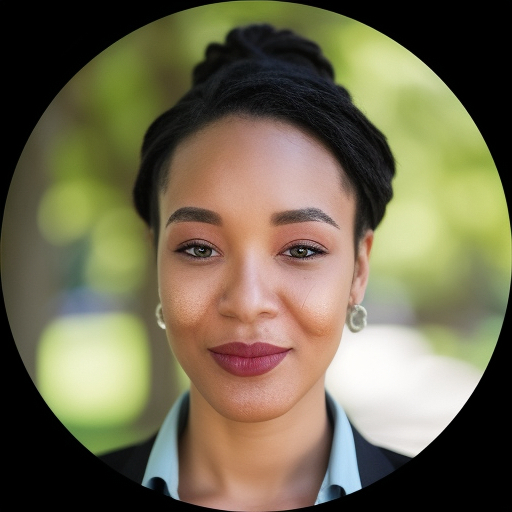
Evalee Smith
LISW, LCSW, CSW
Compassionate clinical social worker focusing on attachment
- Stress, Anxiety
- Parenting
- Anger
Attachment-based therapy directory
99 therapists based in Georgia name attachment-based therapy among the ways they work. Sessions are online; a therapist can usually only see people in the states where they hold a license, so check the license line on each profile.
Welcome to Attachment Therapists' directory for online therapists serving Georgia. All therapists listed here are licensed - explore profiles to review approaches, focus areas, credentials and languages that may fit your needs.
LISW, LCSW, CSW
Compassionate clinical social worker focusing on attachment
LICSW, LCSW, CSW
Supportive therapy for life transitions and attachment
LCSW, CSW
Healing through attachment and practical tools
LMFT, LCMFT
Relationship healing and boundary building
LPC
Compassionate counselor helping people rebuild connection
LPC
Compassionate, relationship-focused counselor
LPC
Support for stress and relationship wounds
LCSW, CSW
Experienced LCSW focused on lasting change
LCSW, CSW
Compassionate clinician focusing on attachment and change
LCSW, CSW
Compassionate therapist focused on attachment and coping
LMHC, LPC
Compassionate attachment-informed counselor
LPC
Helping people build steady coping skills
LCSW, CSW
Calm, practical support for anxiety and life transitions
LCSW, CSW
Compassionate, practical care for life stressors
LCSW, CSW
Warm LCSW focusing on attachment and coping
LCSW, CSW
Therapist focusing on attachment and practical skills
LPC
Compassionate, practical therapy for complex challenges
LPC
Support for anxiety, relationships, and life transitions
LPC
Therapist focused on practical emotional support
LPC
Compassionate counselor focused on practical growth
LCSW, CSW
Compassionate, practical help for relationship and identity concerns
LPC
Compassionate counselor focused on attachment and coping
LPC
Practical counseling for life transitions and parenting
LISW-CP, LCSW, CSW
Compassionate social worker for life transitions
LCSW, CSW
Attachment-informed therapist focused on practical change
LPC
Practical, compassionate counseling for life changes
LPC
Practical, empathetic counseling for lasting change
LCSW, CSW
Compassionate support for attachment and life transitions
LPC
Warm, practical therapy for teens and adults
LICSW, LCSW, CSW
Calm guidance for stress, trauma, and parenting
LICSW, LCSW, CSW
Compassionate social worker focused on attachment patterns
LPC
Compassionate counselor who blends attachment work
LPC
Compassionate counselor focused on relationships
LPC
Compassionate care for stress and relationship strain
LCSW, CSW
Compassionate therapy grounded in attachment insights
LMFT
Restoring connection and relationship health
LPC
Compassionate counselor focusing on attachment and coping
LPC
Compassionate counselor focused on attachment healing
LMFT
Compassionate therapist for relationship and trauma work
LPC
Calm, practical therapy for life challenges
LPC
Calm, practical guidance for lasting change
Some links on this page are partner links. We will earn a commission if you sign up through one, at no cost to you. It does not change what you pay or the order of the listings.
If you are looking for therapy from within Georgia, you will find that many counselors and mental health professionals offer online sessions alongside in-person options. Online therapy has become a routine way for people to access counseling without the need to commute, which can be particularly helpful in a state with both dense urban centers and wide rural areas. When you search profiles on a directory like this one, you will see clinicians who list a range of modalities, specialties and language skills. That variety reflects how practitioners adapt their practices to meet different needs across age groups, cultural backgrounds and life stages.
It is important to recognize that the term online therapy covers a range of formats. Some therapists offer video sessions, others use phone or text-based messaging as part of their work, and some combine methods depending on what the client prefers. Because state licensure is the primary regulator of professional practice, many of the professionals you encounter will indicate the types of licenses they hold and the population groups they commonly work with. Reviewing that information can help you identify clinicians who appear to align with your priorities before you reach out to learn more.
Online therapy can remove several barriers that might otherwise make it hard for you to begin or continue counseling. You may save time and money that would otherwise be spent on travel, and you can access clinicians who practice from different parts of the state without switching your location. If you live in an area with fewer local mental health resources, online sessions can broaden your choices and help you find a counselor whose approach and background feel like a good match.
Beyond geography, online therapy can fit into a busy schedule more easily for many people. You may find it simpler to attend sessions during lunch breaks, after work, or from a car on the way to another appointment. Many clients appreciate that it allows them to remain in a familiar environment while working through hard topics, and some people report feeling more comfortable opening up when they are not in an unfamiliar office. Technology also enables you to access clinicians who list specific approaches or language skills that you want, which can be particularly important when you are seeking a counselor with experience relevant to attachment, trauma histories, parenting, relationships or other specialized concerns.
Online therapists in Georgia address a broad array of concerns that you might bring to counseling. Many professionals list experience with relationship and family issues that relate to attachment patterns, communication challenges and parenting questions. Others describe work with mood-related concerns such as depression and anxiety, which often respond well to structured talk therapy or to interventions that focus on coping skills and emotion regulation.
People also seek online therapy for life transitions, grief, workplace stress, identity exploration and behavioral concerns. If trauma is part of your history, you will find therapists who list trauma-focused approaches among their methods. Some clinicians list approaches that emphasize internal patterns and relational dynamics, while others highlight skills-based methods for managing symptoms and improving daily functioning. Because therapists typically include their target populations on their profiles, you can look for counselors who note experience with adolescents, adults, couples or older adults depending on who you are seeking support for.
Confirming a therapist's licensure is an important step when you are researching online options. In Georgia, mental health professionals hold different types of licenses, such as licensed professional counselors, licensed clinical social workers, licensed marriage and family therapists or psychologists. A directory profile typically displays the license type and issuing state, which gives you a starting point for verification. To confirm the status of a license you can use the official state licensing board search tools, which allow you to look up a clinician by name or license number and view the current standing of the license and any public disciplinary information.
When you check a license, pay attention to the license type, the issuing date and whether the record notes any public actions. If a clinician lists licensure in another state, and you plan to receive services in Georgia, note that cross-state practice is governed by state rules. If you have questions about what license type is most appropriate for your needs, a brief inquiry to the clinician asking them to clarify their credentials and what they mean for the services they provide can help. You can also consult the state board's resources to learn more about scope of practice for different license categories.
Begin by clarifying what you want from therapy - whether you are focused on symptom relief, relationship change, parenting support or long-term personal growth. Use those priorities as filters when you read profiles. Look for therapists who list relevant focus areas, who note work with your age group, and who indicate language options if that matters to you. Pay attention to the approaches they list; if a particular method is meaningful to you, choose therapists who include it among their approaches. After narrowing your list, prepare a short set of questions to ask when you first contact a clinician - these might include questions about how they work with clients who have concerns similar to yours, what a typical session looks like, and what kinds of practical steps they recommend between sessions.
Before your first appointment, set up a dependable device and test your internet connection, camera and microphone. Choose a quiet setting where you will not be interrupted and, if feasible, supported a quiet space for the session. If you have concerns about how to manage privacy at home, think about options such as scheduling sessions at times when the household is quieter or using headphones to reduce the chance that others will overhear. Have a backup plan in case of a technical interruption - for example, agree with the clinician on whether you will reconnect by phone if video drops. Finally, consider practical matters such as your payment options, whether the therapist lists insurance or a sliding-fee arrangement among their payment methods, and how they handle cancellations and rescheduling so that there are no surprises.
Choosing the right therapist often takes more than reading a profile. Trust your impressions after a brief conversation or an initial session. Notice whether the clinician's way of asking questions, their explanation of their work, and their interest in your goals feel like a good fit. If you do not sense a constructive working connection, it is reasonable to continue the search until you find a counselor whose style and focus align with what you need. Over time, you can expect the therapeutic relationship to evolve as you and your therapist refine goals and experiment with strategies that suit your life.
Finding online therapy in Georgia is an accessible way to get support that matches your schedule and needs. By using the information presented in profiles, verifying licensure, asking practical questions and preparing thoughtfully for sessions, you can make informed choices as you start the process. Attachment-focused work and many other approaches are available among Georgia-licensed clinicians who list them among their methods, so take the time to explore profiles and select a counselor whose combination of focus areas, language skills and professional background feels right for you.