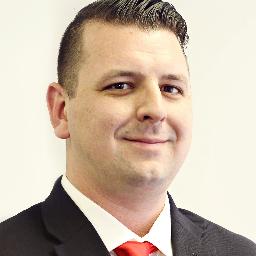
George Brassea, LCPC
Therapist in Illinois
George Brassea is an Illinois licensed clinical professional counselor (LCPC) with nine years of practice.
- Licensed inIllinois
- License180011327
- NPI 1528420213
- Experience9+ years
- LanguagesEnglish
Details are as listed on the therapist's public professional profile. You can check any license with the state board and any NPI with the national registry.
About George
George Brassea is an Illinois licensed clinical professional counselor (LCPC) with nine years of practice. He focuses on helping people untangle patterns that get in the way of daily life. He listens closely and asks practical questions to understand what matters most to each person.
His work often looks at attachment and how early relationships shape current reactions. Sessions may cover family history, sleep, intimacy, grief, or how work and meaning fit together.
Background and approach
George treats trauma directly while maintaining a warm, respectful tone. George combines clinical and business perspectives - he also holds an MBA - so he can discuss both emotional and practical sides of problems. That mix can be useful for career strain, decision-making, and life transitions.
His approach aims to connect feelings to concrete steps people can try between sessions. People come to him for anxiety, depression, addiction concerns, identity and LGBT issues, relationship or intimacy questions, caregiver stress, chronic illness, and problems with control or codependency. He also works with issues like abandonment, body image, blended family stress, and first responder concerns.
Sessions are conversational and grounded in the client’s goals. George uses attachment-based ideas alongside client-centered methods and cognitive-behavioral techniques to tailor work to each person. He speaks English and practices in Illinois as an LCPC.
Credentials
- LCPC (Illinois)
- License 180011327 · expires March 2027
- NPI
- 1528420213 · national provider identifier
Both are public records. A state board register will confirm a license and its standing, and the national registry will confirm an NPI. This directory copies what the therapist lists and checks neither.
Focus areas and approaches
Everything George lists on their public professional profile, in their own terms.
- Stress, Anxiety
- LGBT
- Grief
- Self esteem
- Depression
- Addictions
- Relationship issues
- Family conflicts
- Trauma and abuse
- Intimacy-related issues
- Anger management
- Career difficulties
- Coaching
- Abandonment
- Attachment issues
- BDSM, kink, and alternative sex culture
- Blended family issues
- Body image
- Caregiver issues and stress
- Chronic pain, illness, and disability
- Co-morbidity
- Codependency
- Commitment issues
- Communication problems
- Control issues
- Divorce and separation
- Emptiness
- First responder issues
- Forgiveness
- Guilt and shame
- Impulsivity
- Isolation / loneliness
- Life purpose
- Men's issues
- Midlife crisis
- Veteran and Armed Forces Issues
- Money and financial issues
- Mood disorders
- Multicultural concerns
- Narcissism
- Obsessions, compulsions, and OCD
- Panic disorder and panic attacks
- Polyamory / non-monogamous relationships
- Post-traumatic stress
- Seasonal Affective Disorder (SAD)
- Self-love
- Sexuality
- Social anxiety and phobia
- Somatization
- Traumatic brain injury
- Women's issues
- Workplace issues
- Young adult issues
Approaches George names
- Attachment-Based Therapy
- Client-Centered Therapy
- Cognitive Behavioral Therapy (CBT)
- Existential Therapy
- Jungian Therapy
- Motivational Interviewing
- Narrative Therapy
- Psychodynamic Therapy
- Solution-Focused Therapy
Naming an approach is not evidence of training in it. This directory copies what each therapist lists and does not check training records.
Online support
Attachment-informed care and online therapy options
Attachment-Based Therapy looks at how early relationships shape present feelings and reactions. It helps people understand why they respond a certain way in close relationships and offers ways to try new approaches. Client-Centered Therapy centers on listening without judgment and helping people set their own goals; it suits those who want a supportive, paced space to speak and reflect. Cognitive Behavioral Therapy (CBT) focuses on current thoughts and behaviors and offers concrete strategies to reduce anxiety, manage mood, and change unhelpful patterns.Finding the right approach is part of the work. The therapist will collaborate on a plan that matches a person's needs, goals, and comfort with different methods. That plan can change over time as progress is reviewed and new priorities emerge.
Online sessions are offered by video calls, phone sessions, live chat, or text-based messaging to provide flexibility. Video works well for face-to-face conversation and nonverbal cues. Phone can be easier when bandwidth is limited or to fit a short check-in. Live chat and text-based messaging allow brief updates, written reflections, or ongoing check-ins between sessions. These options make it easier to schedule therapy around work, caregiving, or geographic constraints while keeping focus on the therapeutic goals.
We will earn a commission if you sign up through our link, at no cost to you. It does not change what you pay or the order of the listings.
Frequently asked
What kinds of concerns can be addressed in sessions?
Sessions cover stress, anxiety, depression, grief, addictions, self-esteem, relationship and intimacy issues, and career coaching plus related concerns such as abandonment, body image, blended family stress, caregiver strain, and first responder issues.
How would you describe the therapeutic style?
The style is warm and conversational with direct feedback when needed. Work is informed by attachment ideas, client-centered listening, and cognitive-behavioral techniques to create practical plans.
What is the therapist's background and experience?
George has nine years of clinical experience and combines psychological practice with an MBA, which helps him address both emotional and practical life issues.
What credentials and location apply to this practice?
He is an Illinois LCPC and practices in Illinois.
Which languages are supported and are international clients accepted?
Sessions are offered in English. International clients are not currently accepted.
What session formats are available?
Sessions can be held by video calls, phone sessions, live chat, or text-based messaging to fit different schedules and preferences.
How is cost handled for sessions?
Cost varies with location and therapist availability; sessions use a subscription model that can be canceled at any time.
How do I begin working with this therapist?
Begin by selecting the Start Therapy button, completing a short matching questionnaire, and then scheduling according to therapist availability.
More therapists in Illinois
See all
Ana Sikula
LCSW
Practical, compassionate therapy for life transitions
- Stress, Anxiety
- Relationship
- Family

Maria "Patti" Lorenzo
LCPC
Compassionate therapist for clearer self-talk
- Trauma and abuse
- Self esteem
- Coping with life changes
Is this your profile?
Ask us to correct details or take the page down.
Contact us