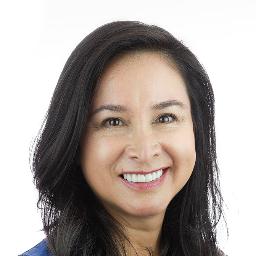
Elizabeth Renteria, LCSW
Therapist in California
Elizabeth Renteria, LCSW, works with people facing stress, anxiety, depression, trauma, parenting strain, and relationship concerns.
- Licensed inCalifornia, Oregon
- License22752, L5306
- NPI 1588938641
- Experience3+ years
- LanguagesEnglish, Spanish
Details are as listed on the therapist's public professional profile. You can check any license with the state board and any NPI with the national registry.
About Elizabeth
Elizabeth Renteria, LCSW, works with people facing stress, anxiety, depression, trauma, parenting strain, and relationship concerns. She writes and speaks plainly, and aims to create a calm, collaborative space where people can talk through what feels overwhelming and find steps forward. She draws on a client-centered stance that focuses on practical ways to improve day-to-day life.
That means sessions often look at clear goals, small changes, and coping skills to manage symptoms like intense worry, low mood, or difficult memories.
Background and approach
Elizabeth blends Attachment-Based Therapy ideas with cognitive approaches to help people understand patterns in close relationships and change unhelpful thinking. She also uses elements from Dialectical Behavior Therapy to teach emotion regulation and mindfulness skills when feelings feel overwhelming.
Her background includes a Master of Social Work from the University of Washington in Seattle and a Master of Counseling from the University of La Verne. She holds the Licensed Clinical Social Worker credential, LCSW, and has three years of clinical experience in community and clinical settings. Elizabeth offers care in English and Spanish and works from California.
She aims to tailor sessions to each person’s culture, identity, and daily demands. Many people come to her wanting relief from anxiety, help after loss, or guidance through big life changes. She focuses on practical next steps, strengthening relationships, and reducing the daily burden of stress so people can feel more present and capable in their lives.
Credentials
- LCSW (California)
- License 22752 · expires June 2026
- LCSW (Oregon)
- License L5306 · expires July 2026
- NPI
- 1588938641 · national provider identifier
Both are public records. A state board register will confirm a license and its standing, and the national registry will confirm an NPI. This directory copies what the therapist lists and checks neither.
Focus areas and approaches
Everything Elizabeth lists on their public professional profile, in their own terms.
- Stress, Anxiety
- Trauma and abuse
- Grief
- Parenting issues
- Depression
- Addictions
- LGBT
- Relationship issues
- Family conflicts
- Self esteem
- Career difficulties
- Bipolar disorder
- Coping with life changes
- Coaching
- Compassion fatigue
- ADHD
- Abandonment
- Attachment issues
- Caregiver issues and stress
- Commitment issues
- Communication problems
- Coping with natural or human-caused disaster
- Disruptive Mood Dysregulation Disorder (DMDD)
- Divorce and separation
- Emptiness
- Family of origin issues
- Family problems
- First responder issues
- Forgiveness
- Guilt and shame
- Immigration issues
- Isolation / loneliness
- Life purpose
- Midlife crisis
- Mood disorders
- Multicultural concerns
- Panic disorder and panic attacks
- Post-traumatic stress
- Prejudice and discrimination
- Self-love
- Social anxiety and phobia
- Women's issues
- Workplace issues
- Young adult issues
Approaches Elizabeth names
- Attachment-Based Therapy
- Client-Centered Therapy
- Cognitive Behavioral Therapy (CBT)
- Dialectical Behavior Therapy (DBT)
- Existential Therapy
- Mindfulness Therapy
- Motivational Interviewing
- Narrative Therapy
- Trauma-Focused Therapy
Naming an approach is not evidence of training in it. This directory copies what each therapist lists and does not check training records.
Online support
Attachment work and practical skills online
Elizabeth often uses Attachment-Based Therapy to look at how early and current relationships shape how people relate, feel safe, and rely on others; this helps when patterns of abandonment, trust, or closeness cause distress. She also uses Client-Centered Therapy, which focuses on listening, empathy, and making the therapy direction match the person's values and goals. Cognitive Behavioral Therapy (CBT) is part of her toolbox too, helping people spot unhelpful thoughts and test new behaviors to reduce anxiety or low mood.Finding the right approach is a team effort. The therapist and client decide together which methods to try based on the person's goals, preferences, and what shows progress in early sessions. That way sessions stay practical and relevant to daily life rather than fixed to a single method.
Online therapy is offered through video calls, phone sessions, live chat, or text-based messaging to increase flexibility. Video helps when visual connection matters, phone can work when bandwidth is limited or for a simpler check-in, live chat suits brief conversations, and messaging supports ongoing reflection between sessions. These options make it easier to fit therapy into work, caregiving, or other commitments while keeping focus on the goals chosen together.
We will earn a commission if you sign up through our link, at no cost to you. It does not change what you pay or the order of the listings.
Frequently asked
What kinds of problems does Elizabeth help with?
She works with stress, anxiety, depression, trauma and abuse, grief, parenting strain, relationship and family concerns, addictions, ADHD, and related issues such as abandonment and attachment problems.
How would you describe her therapy style?
Her style is client-centered and practical, focusing on collaborative goal setting, coping skills, and relationship patterns that affect daily life.
What training and experience supports her practice?
She holds a Master of Social Work from the University of Washington and a Master of Counseling from the University of La Verne, and she has three years of clinical experience.
Where is she licensed and based?
She is a Licensed Clinical Social Worker - LCSW - and practices from California.
Which languages are offered during sessions?
Sessions are offered in English and Spanish.
What session formats are available?
Therapy is available by video calls, phone sessions, live chat, or text-based messaging to fit different schedules and needs.
How are costs handled?
Costs vary by location and therapist availability and use a subscription model that can be canceled at any time.
How do I begin working with her?
Start by selecting the Start Therapy button, fill out a short matching questionnaire, and then schedule sessions according to therapist availability.
More therapists in California
See all
Gian Sarabia
LMFT
Attachment-minded LMFT offering practical support
- Trauma and abuse
- Intimacy-related issues
- Bipolar

Katherine Eldean
LMFT
Calm, practical therapy grounded in attachment
- Stress, Anxiety
- Addictions
- Relationship
Mary Ann Godefroy
LPCC, LPC
Calm, practical therapy for real-life challenges
- Stress, Anxiety
- Addictions
- Relationship
Is this your profile?
Ask us to correct details or take the page down.
Contact us