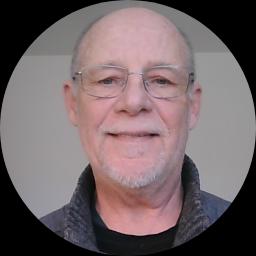
Daniel Bejesky, LPC
Therapist in Michigan
Daniel Bejesky is a licensed professional counselor (LPC) in Michigan with 20 years of experience.
- Licensed inArizona, Michigan
- LicenseLPC-12040, 6401013618
- NPI 1194975987
- Experience20+ years
- LanguagesEnglish
Details are as listed on the therapist's public professional profile. You can check any license with the state board and any NPI with the national registry.
About Daniel
Daniel Bejesky is a licensed professional counselor (LPC) in Michigan with 20 years of experience. He focuses on helping people manage stress, anxiety, addictions, bipolar disorder, depression, and the hard changes life brings. He aims to create a respectful, sensitive space where people can take the first steps toward feeling better.
He uses attachment-based ideas to understand how close relationships affect mood and behavior. He also draws on client-centered methods to keep conversations focused on each person’s goals.
Background and approach
Cognitive Behavioral Therapy (CBT) and Dialectical Behavior Therapy (DBT) techniques are used when helpful for managing thoughts, emotions, and behaviors. Sessions start by listening to what matters most to the individual and then shaping a plan that fits their life. Daniel adapts the pace and tools to meet practical needs rather than following a one-size-fits-all script.
The work can include learning new coping skills, noticing patterns from relationships, and practicing different ways to respond to stress. People looking for support around mood disorders, addictions, caregiving stress, or feelings of isolation will find a practical, down-to-earth approach. He encourages small steps and steady progress rather than quick fixes.
Daniel supports clients who want to build clearer goals and stronger ways of handling everyday pressures. Therapy can be done through video, phone, live chat, or text-based messaging to fit different schedules. He welcomes international clients and will work with each person to find the best format and pace for their needs.
Credentials
- LPC (Arizona)
- License LPC-12040 · expires May 2027
- LPC (Michigan)
- License 6401013618 · expires April 2028
- NPI
- 1194975987 · national provider identifier
Both are public records. A state board register will confirm a license and its standing, and the national registry will confirm an NPI. This directory copies what the therapist lists and checks neither.
Focus areas and approaches
Everything Daniel lists on their public professional profile, in their own terms.
- Stress, Anxiety
- Addictions
- Bipolar disorder
- Depression
- Coping with life changes
- Aging and geriatric issues
- Attachment issues
- Body image
- Cancer
- Caregiver issues and stress
- Drug and alcohol addiction
- Emptiness
- Guilt and shame
- Isolation / loneliness
- Men's issues
- Mood disorders
- Obsessions, compulsions, and OCD
- Panic disorder and panic attacks
- Seasonal Affective Disorder (SAD)
- Social anxiety and phobia
- Workplace issues
- Young adult issues
Approaches Daniel names
- Attachment-Based Therapy
- Client-Centered Therapy
- Cognitive Behavioral Therapy (CBT)
- Dialectical Behavior Therapy (DBT)
- Existential Therapy
Naming an approach is not evidence of training in it. This directory copies what each therapist lists and does not check training records.
Online support
How attachment and skills work online
Attachment-based work looks at how relationships shape how people feel and act. In sessions this means talking about patterns in close relationships, noticing how past connections affect current feelings, and trying different ways of relating that feel safer and more effective for day-to-day life. Client-centered therapy focuses on listening and following the person's goals. It gives space for people to set the agenda and work at a pace that fits their priorities.Finding the right mix of approaches is part of the process. The therapist collaborates with each person to decide which methods to use based on their needs, goals, and what they prefer. That might mean starting with conversational, client-centered work and adding CBT or DBT skills later to manage specific symptoms or crises.
Online therapy offers practical flexibility. Video calls allow for face-to-face conversation when visual cues help. Phone sessions use less bandwidth and can fit into a work break. Live chat and text messaging support brief check-ins, journaling between sessions, or ongoing skill practice. These options make it easier to fit therapy into a busy life and try approaches that match how someone likes to communicate.
We will earn a commission if you sign up through our link, at no cost to you. It does not change what you pay or the order of the listings.
Frequently asked
What kinds of concerns does this therapist help with?
He helps people with stress, anxiety, addictions, bipolar disorder, depression, and coping with major life changes, plus related issues like caregiver stress and isolation.
What kind of therapy style should I expect?
Therapy is practical and person-focused, using attachment-informed work and client-centered conversation. Techniques from CBT and DBT may be used for managing thoughts and emotions.
How much experience does the therapist have?
He has 20 years of professional experience working with mood issues, addictions, and stress-related concerns across varied settings.
What credentials and location apply to this therapist?
The clinician holds the LPC credential and practices in Michigan with licensure listed as MI LPC and AZ LPC.
Are sessions available in other languages or countries?
Sessions are offered in English, and international clients are accepted.
Which session formats are offered for appointments?
Appointments can be scheduled as video calls, phone sessions, live chat, or text-based messaging to suit different schedules and needs.
How does payment and cost work for sessions?
Cost varies with location and therapist availability; sessions use a subscription model that can be canceled at any time.
What steps do I take to begin working together?
Start by selecting the Start Therapy button, complete a short matching questionnaire, and then schedule sessions according to the therapist's availability.
More therapists in Michigan
See all
Chyleetzia Johnson
LPC
Compassionate counseling for stronger relationships
- Stress, Anxiety
- Relationship
- Parenting

Lisa Hilton
LMSW
Attachment-informed social worker focused on life changes
- Stress, Anxiety
- Relationship
- Trauma and abuse
Laurie Jolly
LMSW
Experienced Michigan therapist focused on attachment
- Stress, Anxiety
- Family
- Trauma and abuse
Is this your profile?
Ask us to correct details or take the page down.
Contact us