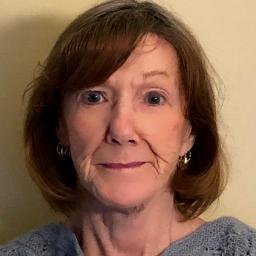
Dale Barrett, LPC, LCPC
Therapist in Wisconsin
Dale Barrett is a licensed counselor who uses attachment-based ideas alongside practical therapies to help people regain a sense of control.
- Licensed inIllinois, Wisconsin, Texas, Maine, Utah
- License180001115, 5397-125, 14908, CC6810, 13000815-6004
- NPI 1184881807
- Experience30+ years
- LanguagesEnglish
Details are as listed on the therapist's public professional profile. You can check any license with the state board and any NPI with the national registry.
About Dale
Dale Barrett is a licensed counselor who uses attachment-based ideas alongside practical therapies to help people regain a sense of control. She brings calm, experience, and a steady presence to sessions. Clients meet a therapist who listens, reflects, and helps set clear goals.
Dale has 30 years of clinical experience and holds LPC and LCPC credentials. She works with common struggles like anxiety, depression, stress, grief, and addiction. She also addresses mood disorders, bipolar concerns, obsessive behaviors, and complications after trauma.
Background and approach
Her style is straightforward and team-oriented. She helps people name where life feels out of control and then examines the why. From there she and the client build small, manageable steps toward practical goals.
Dale uses a mix of approaches tailored to each person. That includes attachment-based work for relational patterns, cognitive behavioral techniques to shift thinking and behavior, and acceptance-based strategies to deal with hard feelings. She also draws on client-centered and dialectical methods as needed.
Sessions often include talking, guided exercises, and simple skill practice. The emphasis is on clear plans, steady progress, and adjusting tactics when something isn’t working. Dale helps people move from feeling stuck toward clearer day-to-day choices.
She practices in Wisconsin and speaks English. International clients may be seen. The overall aim is steady, realistic change rather than quick fixes.
Credentials
- LCPC (Illinois)
- License 180001115 · expires March 2027
- LPC (Wisconsin)
- License 5397-125 · expires February 2027
- LPC (Texas)
- License 14908 · expires September 2027
- LCPC (Maine)
- License CC6810 · expires August 2026
- LCMHC (Utah)
- License 13000815-6004 · expires September 2026
- NPI
- 1184881807 · national provider identifier
Both are public records. A state board register will confirm a license and its standing, and the national registry will confirm an NPI. This directory copies what the therapist lists and checks neither.
Focus areas and approaches
Everything Dale lists on their public professional profile, in their own terms.
- Stress, Anxiety
- Trauma and abuse
- Grief
- Self esteem
- Depression
- Addictions
- Relationship issues
- Family conflicts
- Anger management
- Career difficulties
- Bipolar disorder
- Coping with life changes
- Aging and geriatric issues
- Attachment issues
- Control issues
- Divorce and separation
- Emptiness
- Forgiveness
- Jealousy
- Midlife crisis
- Mood disorders
- Obsessions, compulsions, and OCD
- Personality disorders
- Post-traumatic stress
- Self-harm
- Traumatic brain injury
Approaches Dale names
- Attachment-Based Therapy
- Acceptance and Commitment Therapy (ACT)
- Client-Centered Therapy
- Cognitive Behavioral Therapy (CBT)
- Dialectical Behavior Therapy (DBT)
- Mindfulness Therapy
- Motivational Interviewing
- Solution-Focused Therapy
- Trauma-Focused Therapy
Naming an approach is not evidence of training in it. This directory copies what each therapist lists and does not check training records.
Online support
How attachment work and evidence-based tools translate online
Dale often blends attachment-based ideas with cognitive behavioral therapy and acceptance and commitment therapy. Attachment-based work looks at patterns in close relationships and helps people notice how those patterns shape reactions and choices. Cognitive behavioral therapy focuses on identifying unhelpful thoughts and testing new behaviors to reduce symptoms. Acceptance and commitment therapy helps people make space for difficult feelings while taking steps toward valued goals.Choosing the right approach is a collaboration. Dale will talk with each person about their struggles, goals, and preferences, and then suggest a path that may include one or more methods. The treatment plan can change over time as needs shift. Online formats make it easier to keep therapy consistent. Video calls provide face-to-face interaction for deeper conversations and skill demonstration. Phone sessions can be a good fit when bandwidth is limited or during a short break in the day. Live chat and text-based messaging allow brief check-ins, quick problem-solving, or ongoing support between longer sessions. These options give flexibility for different routines while keeping the work focused on steady, practical progress.
We will earn a commission if you sign up through our link, at no cost to you. It does not change what you pay or the order of the listings.
Frequently asked
What kinds of concerns does Dale address?
Dale works with stress, anxiety, depression, grief, addictions, and mood disorders. She also supports people facing trauma, obsessive behaviors, relationship struggles, and life transitions.
What is her general therapy style?
She combines attachment-based ideas with practical therapies like cognitive behavioral techniques and acceptance approaches. The work is collaborative and focused on clear goals and step-by-step change.
How much clinical experience does she have?
Dale has 30 years of experience working with a wide range of mental health concerns, including trauma, mood disorders, and addictions.
What credentials and location are listed?
She holds LPC and LCPC credentials and practices in Wisconsin. The credentials listed are LPC and LCPC.
Are sessions available in other languages or countries?
Sessions are offered in English. International clients are accepted for online work.
What session formats are offered?
Therapy can be scheduled as video calls, phone sessions, live chat, or text-based messaging. Multiple formats allow flexibility for different needs.
How is cost handled?
Costs vary with location and therapist availability. Sessions use a subscription model that can be canceled at any time.
How do I begin therapy?
Start by selecting the Start Therapy button and completing a short matching questionnaire. Then schedule sessions according to therapist availability.
More therapists in Wisconsin
See all

Rebekah Wolff
LPC
Warm LPC blending attachment and skills-based care
- Stress, Anxiety
- Relationship
- Self esteem

Dr. Denise Petrelli-Holst
LPC
Experienced counselor with varied career background
- Stress, Anxiety
- Self esteem
- Career
Is this your profile?
Ask us to correct details or take the page down.
Contact us