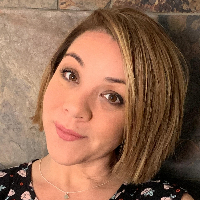
Mandy Lopez Azimy
LCSW
Calm, message-based therapy for steady progress
- Stress, Anxiety
- Relationship
- Self esteem
Attachment-based therapy directory
31 therapists based in New Mexico name attachment-based therapy among the ways they work. Sessions are online; a therapist can usually only see people in the states where they hold a license, so check the license line on each profile.
Welcome to Attachment Therapists' New Mexico directory for online therapy. All therapists listed here hold current state licensing; explore profiles to compare approaches, languages, credentials, and clinical focus areas.
LCSW
Calm, message-based therapy for steady progress
LISW
Supportive social worker focused on attachment needs
LCSW
Compassionate care with practical steps
LPC, LCMHC
Experienced counselor focused on attachment and coping
LPCC
Compassionate, practical help for relationship and emotional struggles
LPCC
Calm, practical support for life changes
LCSW
Attachment-focused LCSW guiding relationship repair
LPCC
Relationship-centered counselor focused on practical change
LPCC
Experienced counselor focusing on attachment and recovery
LMFT
Practical attachment-focused therapy for life changes
LPCC, LMHP
Restoring emotional safety and flexible ways of living
LPCC
Attentive, practical care for emotional challenges
LCSW
Compassionate, practical support for life changes
LCSW
Calm, practical therapy for attachment and life changes
LICSW, LCSW
Compassionate social worker helping people rebuild connection
LCSW
Compassionate, practical therapy for life challenges
LCSW
Compassionate LCSW blending attachment insight with practical tools
LCSW
Practical, attachment-informed social worker
LCSW
Compassionate attachment-informed care
LCSW
Compassionate therapist focusing on attachment and coping
LPCC
Calm, practical counseling focused on attachment
LCSW
Calm, relational therapy focused on change
LPCC
Therapist who guides change through relationship
LPCC
Centered counselor focused on relationships and coping
LCSW
Calm, practical therapy for life and relationships
LCSW
Attachment-informed LCSW focused on practical change
LPCC
Warm attachment-focused counselor who uses practical skills
Some links on this page are partner links. We will earn a commission if you sign up through one, at no cost to you. It does not change what you pay or the order of the listings.
If you are considering online therapy in New Mexico, you will find a range of professionals offering services remotely across the state. Many counselors, clinical social workers, marriage and family therapists, and psychologists provide video or phone sessions that allow residents to connect from Albuquerque, Santa Fe, Las Cruces, rural towns, and tribal communities. Online sessions can take place across state lines when permitted, but most therapists who appear in this directory hold New Mexico licenses and list telehealth or online sessions among their practice options.
Technology has made it possible for you to access clinicians whose experience and approaches match your needs without the commute. That means you can focus your search on therapists who list attachment-focused work, trauma-informed approaches, neurodevelopmental perspectives, family systems, or other orientations that resonate with you. Profiles often include information on credentials, years of experience, and languages spoken, which helps you narrow choices before you reach out. Remember that a therapist listing an approach does not mean they have a particular certification in that modality; it indicates a stated clinical interest or method they use in practice.
Online therapy removes many logistical barriers that can make in-person care difficult. If you live far from an urban center, juggle school or shift work, or have mobility challenges, remote sessions can make regular care more feasible. You can attend a session from home, your car between errands, or another location where you can speak comfortably and without interruption. This flexibility often makes it easier to keep appointments and maintain continuity over time.
When you search for therapists online, geography matters less, so you can prioritize clinical fit. That may be especially helpful in New Mexico, where communities are diverse and cultural alignment can be an important part of effective care. Many profiles note language fluency, cultural competency areas, LGBTQ+ affirming practice, and experience working with Indigenous, Hispanic, or multiethnic populations. Choosing a therapist whose background and approach align with your needs can contribute to a stronger working relationship.
Online therapists commonly work with emotional challenges such as anxiety, depression, grief, and stress related to life transitions. Many also focus on relationship issues including couple communication, parenting struggles, and attachment concerns that influence how you relate to partners and family members. Therapists who list attachment-focused approaches often integrate exploration of early relationship patterns with present-day experiences in relationships.
Therapists offering online sessions frequently support people coping with trauma reactions, chronic stress, and the impact of life changes such as relocation, job shifts, or medical issues. Some offer therapy tailored to adults who experienced adverse childhood experiences, and others work with adults navigating neurodiversity, identity development, or career-related stress. When reading profiles, look for clinicians who describe experience with the particular challenges you are facing, and note whether they list specific approaches or populations that match your needs.
Verifying a therapist's license is an important step in choosing care. In New Mexico you can confirm a license through the state licensing portal or the regulatory body that oversees the profession. Most professionals practicing in the state will list their license type on their profile, such as Licensed Professional Counselor, Licensed Clinical Social Worker, Licensed Marriage and Family Therapist, or psychologist credentials. Use the state's online license lookup tool to check that the license is current and to view any public disciplinary history.
When you look up a license, have the clinician's full name and, if available, their license number. The license lookup will typically show the license status, the issuing date, and the expiration date. If you have questions about what you find, you can contact the relevant licensing board or the state regulatory office for clarification. Verifying licensure helps you feel confident that the clinician is authorized to practice in New Mexico and provides a record you can reference if needed.
Begin by narrowing your search to therapists who list the issues and approaches that matter to you. Profiles often include short descriptions of clinical focus, session format, languages spoken, and training background. When you find several profiles that seem like a fit, reach out to ask about the therapist's approach to the issues you brought up and what a typical session looks like. You do not need to commit after the first conversation - initial calls are often an opportunity to learn about how the clinician works and whether their style feels right for you.
Plan where you will take sessions so you have a quiet environment and a reliable internet connection. Use a device with a camera and microphone if video is preferred, and test your software ahead of time if the therapist uses a specific platform. Think about privacy in your surroundings and how you will manage interruptions. If you require an interpreter or prefer a clinician who speaks a particular language, look for those details in profiles or ask at first contact. Also ask about session length, fees, and insurance billing practices so you can plan financially before you begin.
Start by identifying what matters most to you in therapy. If attachment patterns are central to your concerns, prioritize clinicians who list attachment-focused work among their approaches. If you want someone who works with specific age groups, trauma histories, or family systems, use those filters in your decision. Match on language and cultural understanding when those factors influence your comfort and ability to communicate. A good clinical match increases the likelihood that you will feel understood and make meaningful progress.
Therapeutic fit is as much about interpersonal comfort as it is about credentials. Use the first few contacts to assess whether the clinician's style, communication, and explanations resonate with you. Ask how they structure sessions, what a typical course of therapy looks like for your concern, and how they measure progress. If you do not feel the relationship is a good fit after a few sessions, it is reasonable to look for someone whose style aligns more closely with your needs. Finding the right match can take time, but a thoughtful search informed by profiles and verification steps can help you make an informed choice.
When you are ready to begin, return to the directory to explore listed therapists in New Mexico and use profile details to guide your outreach. By focusing on license verification, clinical focus, approach, language, and interpersonal fit, you can find an online therapist who supports your goals and fits your preferences. Remember that therapy is a collaborative process and that clear communication about your needs and expectations helps you and your clinician work together effectively.