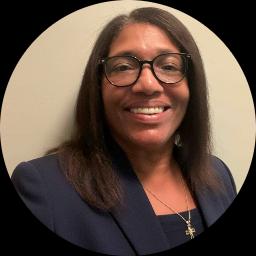
Jessica Willis
LPC
Compassionate counselor focused on attachment and recovery
- Stress, Anxiety
- Relationship
- Family
Attachment-based therapy directory
17 therapists based in Mississippi name attachment-based therapy among the ways they work. Sessions are online; a therapist can usually only see people in the states where they hold a license, so check the license line on each profile.
Welcome to Attachment Therapists' Mississippi directory for online therapy. All therapists listed here are licensed in their professions - explore individual profiles to learn about approaches, focus areas, languages, and experience.
LPC
Compassionate counselor focused on attachment and recovery
LPC
Compassionate counselor focused on practical change
Experienced social worker blending relationship and skills work
LCSW
Compassionate, practical support for major life challenges
LPC
Support for stress, relationships, and parenting
LPC
Compassionate, experienced counselor for life transitions
LPC
Attachment-informed counselor focused on practical skills
LPCC, LPC
Healing relationships and rebuilding strength
LPC
Attachment-aware counselor focused on practical change
LPC
Helping people find direction and stronger coping skills
LCSW
Compassionate clinician helping people change for the better
LPC
Calm, practical care grounded in attachment insight
Some links on this page are partner links. We will earn a commission if you sign up through one, at no cost to you. It does not change what you pay or the order of the listings.
Online therapy has become an accessible option for people across Mississippi, offering a way to connect with clinicians from the Gulf Coast to the northern counties without the need to travel long distances. When you search for an online therapist, you will find clinicians who work with a range of concerns and who use different approaches. Many therapists list approaches such as cognitive behavioral therapy, psychodynamic methods, attachment-focused work, and trauma-oriented care among their approaches. Some therapists also list methods like EMDR among their approaches or describe work with internal family systems and somatic strategies. Profiles typically indicate the license type clinicians hold and the populations they focus on.
Because teletherapy practice is governed by state rules and professional standards, clinicians who support Mississippi residents usually have an appropriate license or have taken steps to meet requirements for working with people in the state. On this directory, every listing indicates a license type so you can see whether a clinician is a licensed clinical social worker, licensed professional counselor, marriage and family therapist, psychologist, or another credentialed provider. That information helps you narrow your search to clinicians whose training and scope of practice match your needs.
Online therapy removes many geographic barriers that can make it difficult to get help, especially if you live in a rural community or travel is challenging. You can connect from a comfortable environment that works for you - whether that is your home, a parked car between commitments, or another setting that offers you calm. The flexibility of virtual sessions can make it easier to maintain continuity of care around work, family, and schooling obligations. For parents, caregivers, and people with mobility limitations, online work often reduces the time and effort needed to attend sessions.
Another benefit is access to clinicians who focus on specific issues that might not be widely available nearby. If you want to work on attachment concerns, relational patterns, or complex trauma, you can locate therapists who list those focus areas even if those resources are scarce locally. You can also find clinicians who work with particular age groups or who offer therapy in languages other than English. While technology does add a layer to the therapeutic process, many people find that the convenience and continuity it provides outweigh the trade-offs, and that effective rapport can be established over video or phone sessions.
Online therapists in Mississippi help with a broad spectrum of concerns. You can find clinicians who specialize in relationship and attachment difficulties, grief and loss, anxiety, depression, parenting challenges, and stress related to life transitions such as divorce or career change. Many therapists also list work with trauma, including complex or developmental trauma, and describe attachment-informed approaches for understanding how early relational patterns influence current relationships. Therapists who list EMDR among their approaches may indicate that they use that method for trauma-related symptoms, while those who list cognitive behavioral therapy among their approaches may emphasize skill-building and structured techniques for managing worry and mood.
There are clinicians who describe experience with family systems and with work tailored to couples and families, and others who focus on adolescent development and school-related stress. If you have a particular concern - such as sleep disruption, parenting a child with emotional regulation challenges, or navigating chronic health issues - you can look for profiles that mention those focus areas. Language preferences, cultural background, and experience with faith-informed care can also be significant factors to consider when seeking a strong therapeutic match.
Verifying licensure is an important step in choosing a clinician. First, note the license type listed in a therapist's profile - common credentials include licensed clinical social worker, licensed professional counselor, marriage and family therapist, and psychologist. A full profile will often include a license number or an indication of the licensing body. If that information is not visible, you can request it directly from the clinician. Once you have a license number or the clinician's legal name and credential, you can search the appropriate Mississippi licensing board's online license lookup tool to confirm the license status and expiration date.
When you review a licensure record, look for the active status and any public disciplinary history. Licensing board webpages typically provide contact information if you want to speak with staff about an entry or get help interpreting the record. If you prefer not to use the online lookup, many boards accept phone inquiries. Keep in mind that different professions are regulated by different boards, so the name of the board you consult will depend on whether you are checking a social worker, counselor, marriage and family therapist, or psychologist. Verifying licensure can give you clarity about a clinician's legal standing and the scope of practice associated with their credential.
Begin by thinking about what you want to work on and what kind of approach you prefer. Do you respond well to structured, skills-based work or to more exploratory, insight-oriented conversation? Are you looking for a clinician who centers relationships and attachment patterns or someone who emphasizes coping strategies and symptom management? Use these priorities to filter profiles and to prepare questions you might ask in an initial conversation. Profiles often list approaches, populations served, and languages spoken, which helps you narrow your options before reaching out.
Consider practical matters such as the clinician's license type and professional focus, whether they list experience with the specific issue you brought up, and whether they offer sessions by video or phone. Clarify insurance and fee policies if those are relevant to you, and ask about session length and the expected process for intake and treatment planning. You should also ask how the clinician handles documentation and how they explain information protection and record keeping. A thoughtful conversation about logistics and approach can help you determine whether a clinician feels like a good match.
Before your first appointment, prepare a quiet, comfortable space where you can speak without interruption. Have a list of your goals, recent changes in mood or behavior, and any questions about how the therapist works. It is also useful to clarify emergency procedures and local resources since mental health laws and crisis services vary by region. Your initial session is an opportunity to get a sense of the clinician's style, to discuss what you hope to accomplish, and to set expectations for the work ahead.
Choosing a therapist is a personal and sometimes iterative process. If you do not feel that the first clinician you speak with is the right fit, it is reasonable to continue looking until you find someone whose approach, experience, and way of relating align with your needs. This directory is designed to help you explore profiles of licensed clinicians who work online with Mississippi residents so you can make an informed decision about who to contact.
As you evaluate online therapists, keep in mind that a strong therapeutic relationship often matters more than specific labels or modalities. Look for clinicians who demonstrate clear communication, thoughtful responses to your questions, and a willingness to collaborate on goals. Pay attention to whether they describe work with attachment issues if that is a priority for you, and whether they list modalities that resonate with your preferences - for example, therapists who list EMDR among their approaches for trauma work or those who list attachment-focused and relational approaches for relationship concerns.
Use this directory to compare profiles, read clinician biographies, and learn about approaches and focus areas. Taking time to review this information and to ask purposeful questions will help you find a therapist in Mississippi who aligns with your needs and your perspective on healing. When you are ready, reach out to a clinician whose profile fits what you are looking for and begin the process of making a plan for care.