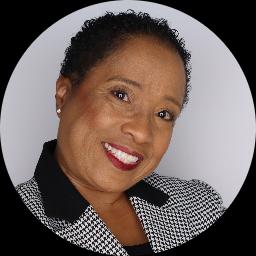
Daniel Norvell
LCSW
Therapist focused on attachment and practical support
- Stress, Anxiety
- Addictions
- LGBT
Attachment-based therapy directory
9 therapists based in Delaware name attachment-based therapy among the ways they work. Sessions are online; a therapist can usually only see people in the states where they hold a license, so check the license line on each profile.
Welcome if you are looking for therapists who provide online care to Delaware residents. All therapists listed here are licensed in Delaware. Browse profiles to compare credentials, approaches, languages, and experience to find a good match.
LCSW
Therapist focused on attachment and practical support
LPC-MH
Attachment-informed counselor focused on healing relationships
LCSW
Therapist who blends action with empathy
LPMHC
Experienced counselor guiding steady change
LCSW
Attachment-informed LCSW focused on relationships and coping
LMFT
Warm, practical therapy for relationship and attachment concerns
LPMHC
Calm practical support for anxiety and life change
LPMHC
Collaborative counselor focused on attachment and coping
LMFT
Compassionate relationship and life guidance
Some links on this page are partner links. We will earn a commission if you sign up through one, at no cost to you. It does not change what you pay or the order of the listings.
Online therapy in Delaware has become an established option for people seeking mental health and relational support without traveling to an office. You can connect with a clinician by video, phone, or messaging, and most sessions follow the same structure as in-person care: you and your clinician work on goals, communication, coping strategies, and patterns that affect your well-being. State licensing rules require that clinicians who offer therapy for Delaware residents hold the appropriate state license, so practitioners who list Delaware in their profile should be licensed to practice there. Telehealth laws and professional guidelines govern how care is delivered, including documentation and professional standards, so you can expect an online session to resemble an in-person appointment in many respects.
Because online care crosses geography, it is common for clinicians to note whether they serve clients living in Delaware. You will find therapists who identify as counselors, social workers, psychologists, or marriage and family therapists; the title will indicate the type of license they hold. In addition to traditional appointments by video or phone, some clinicians use text-based messaging or structured online modules as part of the therapeutic process. When you browse listings, look for information about approaches, populations served, languages spoken, and session formats to help you narrow choices that fit your needs.
Online therapy can expand your options whether you live in a busy city like Wilmington or a more rural area of Sussex or Kent Counties. You save commuting time and you can access clinicians who focus on specific issues that might not have many local specialists. If your schedule is tight because of work, caregiving, or school, the flexibility of remote appointments can make it easier to maintain consistency in care. You may also find it easier to connect with a clinician who shares your cultural background or speaks your preferred language, since geography is less limiting.
For many people the convenience is paired with practical advantages. You can choose a clinician who lists experience with the age group or life stage you are in, whether you are seeking therapy for an adolescent, a new parent, or someone navigating retirement. Online care can be less disruptive to daily routines and can support continuity during moves within the state. While it is not appropriate for every situation, online therapy provides a viable alternative for a wide range of concerns and treatment goals.
Online clinicians in Delaware address a broad spectrum of emotional, behavioral, and relational concerns. Many people reach out for help with anxiety, depression, stress related to work or school, and grief after loss. Couples and families often pursue remote sessions to work on communication patterns, parenting challenges, and relationship transitions. You will also find clinicians who list trauma-focused approaches among their methods for supporting recovery from past adverse experiences. Those concerned with life transitions - such as changes in career, relocation, or new family dynamics - often benefit from the problem-solving and adjustment-focused work that therapy offers.
Some clinicians describe specialties such as attachment-related concerns, mood regulation, or pain management where mental health and physical health intersect. Others list approaches that are commonly used for treating specific symptoms, and you may see clinicians who list cognitive-behavioral strategies, acceptance-based work, psychodynamic perspectives, or EMDR among their approaches. Remember that when a clinician lists a modality you are interested in, it indicates that they incorporate that approach into their work, and you can ask about how they apply it to your specific situation when you make contact.
Before beginning work with a clinician, it is a good idea to confirm that their license is current and that they are authorized to practice in Delaware. You can verify licensure through the state licensing entity that oversees mental health professions. Most of these entities provide an online license lookup where you can enter a clinician's name or license number to view their credential type, license status, and whether any disciplinary actions are recorded. The online record typically shows the license category such as Licensed Clinical Social Worker, Licensed Professional Counselor, psychologist, or marriage and family therapist, and the issue and expiration dates for the credential.
If you cannot find information online or want further clarification, you can contact the state licensing office by phone or email to request verification. When you reach out to a clinician, it is reasonable to ask for the license number and the state that issued it so you can perform your own check. Taking a few minutes to confirm licensure will help you feel informed about the professional credentials of anyone you consider working with.
Getting started with online therapy begins with clarifying why you want support and what outcomes matter to you. Think about whether you want short-term symptom relief, long-term personal growth, help with a relationship, or strategies to manage specific life stressors. When you search for clinicians, pay attention to the populations they list, the approaches they describe, and the languages they offer. You may prefer a clinician who lists experience with attachment concerns if that is a central focus for you. Reach out to several clinicians whose profiles align with your needs and use an initial conversation to get a sense of fit.
When you contact a clinician, prepare a few questions that matter to you. Ask about their experience working with people who have similar concerns, how they adapt their methods for remote sessions, and what a typical session looks like. Clarify logistical details such as session length, fee structure, insurance billing practices if applicable, and cancellation policies. You should also inquire about accessibility factors that matter to you - for example, evening or weekend session formats, or whether they work with adolescents or older adults. Trust your instincts about rapport. A good therapeutic match often depends on feeling heard and understood in early conversations.
Beyond the practicalities, consider how each clinician describes their approach to goals, collaboration, and measuring progress. Some clinicians outline structured goal-setting and skill-building, while others emphasize reflective exploration and relational repair. Choose someone whose style and description resonate with how you prefer to work. If attachment-focused work is important, look for clinicians who explicitly mention attachment perspectives or relational frameworks among their approaches. Finally, remember that starting therapy is a process - it is acceptable to try a few sessions and assess whether the clinician and methods feel right for you. Your comfort and sense of forward movement are reasonable guides as you continue.
Online therapy in Delaware can broaden your options for care and connect you with clinicians who focus on the issues you want to address. By confirming licensure, clarifying goals, and asking targeted questions about approach and logistics, you can make an informed choice that supports meaningful progress. Use listings to compare credentials, approaches, languages, and experience, and reach out to clinicians whose profiles match what you need to begin the next steps in your care.