- Licensed inTexas
- License52300
- NPI 1235368705
- Experience31+ years
- LanguagesEnglish
Details are as listed on the therapist's public professional profile. You can check any license with the state board and any NPI with the national registry.
About Sandra
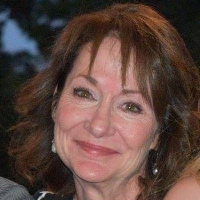
Prof. Sandra Brackenridge brings more than three decades of social work experience to her clinical practice. She spent 23 years as a professor of social work and continues to supervise clinicians pursuing licensure.
Sandra is an LCSW with a long history of working alongside helpers and healthcare professionals to address the strains of demanding work and life transitions. She kept a therapy practice while teaching and supervising. That ongoing clinical work helped her stay current with different approaches and practical strategies.
Background and approach
She has taught, published, and presented widely on grief, bereavement, and mental health issues in healthcare settings, including work with veterinary professionals. Sandra has also studied and written about the mental health impact of natural disasters, hurricanes, and the recent pandemic. That background shapes how she supports people coping with large-scale loss, disruption, or sudden life changes.
She understands burnout, compassion fatigue, and the ripple effects these issues have on relationships. Her approach blends Attachment-Based Therapy with client-centered and existential perspectives. She helps people talk through grief, stress, relationship strain, career questions, and struggles with mood or attention.
Sessions aim to clarify what matters most and to find manageable steps forward. People who choose Sandra often want a thoughtful, experienced clinician who will listen carefully and adapt methods to each person’s needs. She works with adults on concerns like anxiety, depression, addictions, parenting stress, caregiving burden, and life purpose.
Credentials
- LCSW (Texas)
- License 52300 · expires August 2026
- NPI
- 1235368705 · national provider identifier
Both are public records. A state board register will confirm a license and its standing, and the national registry will confirm an NPI. This directory copies what the therapist lists and checks neither.
Focus areas and approaches
Everything Sandra lists on their public professional profile, in their own terms.
- Stress, Anxiety
- Relationship issues
- Grief
- Depression
- Compassion fatigue
- Addictions
- Family conflicts
- Trauma and abuse
- Intimacy-related issues
- Parenting issues
- Self esteem
- Career difficulties
- Bipolar disorder
- Coping with life changes
- ADHD
- Blended family issues
- Caregiver issues and stress
- Coping with natural or human-caused disaster
- Divorce and separation
- First responder issues
- Hospice and end-of-life counseling
- Isolation / loneliness
- Life purpose
Approaches Sandra names
- Attachment-Based Therapy
- Client-Centered Therapy
- Existential Therapy
- Gottman Method
- Narrative Therapy
- Psychodynamic Therapy
- Solution-Focused Therapy
Naming an approach is not evidence of training in it. This directory copies what each therapist lists and does not check training records.
Online support
Therapeutic approaches for online care
Attachment-Based Therapy focuses on relationships and how early bonds affect current connections. Online sessions using this approach help people notice patterns in close relationships and build more supported ways of relating.Client-Centered Therapy centers the conversation on the person's experience. The therapist listens without judgment and helps the client name their goals and strengths, which can be very useful for stress, grief, or career concerns.
The therapist will work collaboratively to find the best approach for each person. That means talking together about goals, trying different angles when needed, and adjusting methods based on what actually helps in weekly sessions.
Online formats include video calls, phone sessions, live chat, and text-based messaging. Video is useful when nonverbal cues matter. Phone calls can fit a short check-in or be easier when bandwidth is limited. Live chat and messaging let people keep a thread of reflections between sessions and check in without scheduling a full call.
These options make it easier to fit therapy into a busy schedule, continue care during moves or travel, and maintain contact during times of disruption.
We will earn a commission if you sign up through our link, at no cost to you. It does not change what you pay or the order of the listings.
Frequently asked
What kinds of concerns does she address?
Sandra works with stress, anxiety, grief, depression, addictions, trauma and related issues. She also focuses on caregiver stress, compassion fatigue, and work-related burnout for healthcare professionals.
How would you describe her therapy style?
Her style is empathic and practical. She blends Attachment-Based Therapy and client-centered conversation with narrative and existential ideas to help people make sense of problems and choose next steps.
What is her background and experience?
She has 31 years of experience, including 23 years as a social work professor and ongoing supervision of clinicians seeking licensure. She has published and presented on grief and disaster-related mental health.
Where does she practice and what are her credentials?
She practices in Texas and holds the credential LCSW, listed as TX LCSW.
Which languages are supported for sessions?
Sessions are offered in English and she accepts international clients.
What formats are available for sessions?
Sessions can be by video calls, phone sessions, live chat, or text-based messaging depending on client preference.
How is cost handled for sessions?
Cost varies with location and therapist availability; sessions use a subscription that can be canceled at any time.
How do I begin working with her?
Start by selecting the Start Therapy button, complete a short matching questionnaire, and schedule according to therapist availability.
More therapists in Texas
See all
Fred (Frederick) Theobald
LPC, LPCC
Gentle, practical help for deep emotional work
- Stress, Anxiety
- Addictions
- LGBT
Marilee Frazier
LPC
Grounded, practical counseling for overwhelmed adults
- Stress, Anxiety
- Relationship
- Trauma and abuse

Amber Bowling
LCSW
Calm, practical support for emotional and relationship strain
- Stress, Anxiety
- Relationship
- Trauma and abuse
Is this your profile?
Ask us to correct details or take the page down.
Contact us