
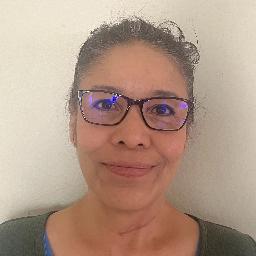
Glenda Brauneis, LCPC
Therapist in Montana
Glenda Brauneis is a Licensed Clinical Professional Counselor (LCPC) who focuses on attachment-based work alongside practical talk therapy.
- Licensed inMontana
- LicenseBBH-LCPC-LIC-52032
- NPI 1467111559
- Experience5+ years
- LanguagesEnglish
Details are as listed on the therapist's public professional profile. You can check any license with the state board and any NPI with the national registry.
About Glenda
Glenda Brauneis is a Licensed Clinical Professional Counselor (LCPC) who focuses on attachment-based work alongside practical talk therapy. She helps people who are dealing with anxiety, mood challenges, trauma history, and concerns about self-worth and identity. Her approach is straightforward and centered on the person's goals.
Glenda blends several methods to meet real needs in sessions. She uses Attachment-Based Therapy to look at how early relationships shape current patterns. She also draws on client-centered ideas to keep the conversation focused on what matters to each person.
Background and approach
Cognitive Behavioral Therapy is part of her toolkit for changing unhelpful thinking and behavior. Dialectical Behavior Therapy skills are used when strong emotions make daily life harder. Eye Movement Desensitization and Reprocessing can be included for those with trauma history who want a structured way to process painful memories.
She has five years of clinical experience and a background in rehabilitation and mental health counseling. That experience includes helping people with mood disorders, bipolar symptoms, and post-traumatic stress as well as struggles like anger, impulsivity, and body image concerns. Glenda works with issues that touch relationships and caregiving, such as abandonment feelings, communication problems, and caregiver stress.
People also come to her for support with parenting strain, eating concerns, or making sense of life changes and purpose.
Credentials
- LCPC (Montana)
- License BBH-LCPC-LIC-52032 · expires December 2026
- NPI
- 1467111559 · national provider identifier
Both are public records. A state board register will confirm a license and its standing, and the national registry will confirm an NPI. This directory copies what the therapist lists and checks neither.
Focus areas and approaches
Everything Glenda lists on their public professional profile, in their own terms.
- LGBT
- Trauma and abuse
- Anger management
- Self esteem
- Compassion fatigue
- Stress, Anxiety
- Relationship issues
- Family conflicts
- Eating disorders
- Parenting issues
- Bipolar disorder
- Depression
- Coping with life changes
- ADHD
- Abandonment
- Attachment issues
- Body image
- Caregiver issues and stress
- Communication problems
- Disruptive Mood Dysregulation Disorder (DMDD)
- Divorce and separation
- Family problems
- Forgiveness
- Impulsivity
- Life purpose
- Mood disorders
- Narcissism
- Post-traumatic stress
- Self-harm
- Self-love
- Social anxiety and phobia
- Women's issues
- Workplace issues
Approaches Glenda names
- Attachment-Based Therapy
- Client-Centered Therapy
- Cognitive Behavioral Therapy (CBT)
- Dialectical Behavior Therapy (DBT)
- Eye Movement Desensitization and Reprocessing (EMDR)
- Mindfulness Therapy
- Trauma-Focused Therapy
Naming an approach is not evidence of training in it. This directory copies what each therapist lists and does not check training records.
Online support
Attachment and Practical Therapies Online
Glenda uses Attachment-Based Therapy to look at how early relationship patterns influence how someone connects and reacts today, which can help with problems like anxiety, abandonment fears, and relationship distress. She also draws on Cognitive Behavioral Therapy to help people identify and change unhelpful thoughts and behaviors, a useful approach for mood disorders, anxiety, and self-critical thinking. When emotions feel overwhelming, Dialectical Behavior Therapy skills are available to teach practical emotion regulation and distress-tolerance tools.Choosing the right approach is a shared process. The therapist will talk with the person about goals, past experiences, and what techniques feel comfortable. Together they decide which methods to try and adjust the plan as progress and needs change.
Online sessions are offered by video, phone, live chat, or text-based messaging to make care more accessible. Video calls let people work face to face when schedules or distance make in-person visits hard. Phone sessions can be a simpler option with lower bandwidth needs, while live chat and messaging suit quick check-ins or ongoing support between sessions. These options aim to fit therapy into busy lives and different routines.
We will earn a commission if you sign up through our link, at no cost to you. It does not change what you pay or the order of the listings.
Frequently asked
What kinds of concerns does this therapist help with?
Glenda supports people facing anxiety, depression, mood disorders, and trauma. She also works with issues like self-esteem, anger, ADHD, eating concerns, and relationship or family problems.
How would you describe her therapy style?
Her style is collaborative and down-to-earth. She uses attachment ideas, client-centered listening, and practical techniques like CBT and DBT skills.
What is her clinical background and experience?
She holds a Master of Science in Rehabilitation and Mental Health Counseling and has five years of clinical experience in mental health care.
Where is she located and what are her credentials?
She practices in Montana and is credentialed as an LCPC, which stands for Licensed Clinical Professional Counselor.
Which languages are sessions offered in and can she see international clients?
Sessions are offered in English and she accepts international clients.
What session formats are available?
She offers video calls, phone sessions, live chat, and text-based messaging to fit different needs and schedules.
How is cost handled for sessions?
Cost varies with location and therapist availability; sessions use a subscription model that can be canceled at any time.
How do I get started with therapy?
Begin by selecting the Start Therapy button, completing a short matching questionnaire, and then scheduling according to the therapist's availability.
More therapists in Montana
See all

Erica Tribble
LCSW
Practical, relationship-focused therapy
- Stress, Anxiety
- Relationship
- Trauma and abuse
Angela Whitecrane Widdicombe
LCSW, LMFT
Compassionate clinician focusing on connection
- Stress, Anxiety
- Addictions
- Relationship
Is this your profile?
Ask us to correct details or take the page down.
Contact us