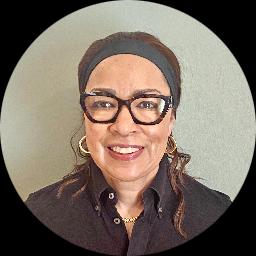
Charlotte Kennedy, LMSW
Therapist in Michigan
Charlotte Kennedy is a licensed master social worker (LMSW) based in Michigan who focuses on Attachment-based Therapy alongside other practical approaches.
- Licensed inMichigan
- License6801086127
- NPI 1669214870
- Experience7+ years
- LanguagesEnglish
Details are as listed on the therapist's public professional profile. You can check any license with the state board and any NPI with the national registry.
About Charlotte
Charlotte Kennedy is a licensed master social worker (LMSW) based in Michigan who focuses on Attachment-based Therapy alongside other practical approaches. She helps people facing anxiety, depression, trauma, and stress find steady ground. Her style is warm and straightforward, aimed at making therapy feel usable in day-to-day life.
She commonly works with people dealing with relationship strain, parenting stress, grief, and challenges at work. She also supports those coping with addiction, family of origin issues, and feelings of emptiness or abandonment.
Background and approach
Sessions tend to center on building clearer communication and healthier emotional responses. Charlotte blends Attachment-based ideas with Acceptance and Commitment Therapy and Cognitive Behavioral Therapy to address both feelings and behaviors. She uses client-centered and mindfulness-informed practices to keep conversations focused on what matters most to each person.
The goal is practical change, not labels or jargon. Over seven years of clinical experience inform her approach to trauma, communication problems, and caregiver stress. Clients work on real tools for managing intense emotions, reducing avoidance, and improving daily routines.
She emphasizes gradual steps that fit each person’s life. Her work is grounded in collaboration. She helps people clarify values, set achievable goals, and practice new habits between sessions.
The focus is on steady progress and building supports that last beyond therapy.
Credentials
- LMSW (Michigan)
- License 6801086127 · expires October 2027
- NPI
- 1669214870 · national provider identifier
Both are public records. A state board register will confirm a license and its standing, and the national registry will confirm an NPI. This directory copies what the therapist lists and checks neither.
Focus areas and approaches
Everything Charlotte lists on their public professional profile, in their own terms.
- Stress, Anxiety
- Trauma and abuse
- Self esteem
- Depression
- Coping with life changes
- Addictions
- Relationship issues
- Family conflicts
- Grief
- Parenting issues
- Anger management
- Career difficulties
- Coaching
- Compassion fatigue
- Abandonment
- Adoption and foster care
- Attachment issues
- Blended family issues
- Caregiver issues and stress
- Commitment issues
- Communication problems
- Control issues
- Dependent personality
- Domestic violence
- Drug and alcohol addiction
- Emptiness
- Family of origin issues
- Family problems
- Fatherhood issues
- Forgiveness
- Guilt and shame
- Isolation / loneliness
- Jealousy
- Life purpose
- Midlife crisis
- Multicultural concerns
- Self-harm
- Self-love
- Social anxiety and phobia
- Women's issues
- Workplace issues
- Young adult issues
Approaches Charlotte names
- Attachment-Based Therapy
- Acceptance and Commitment Therapy (ACT)
- Client-Centered Therapy
- Cognitive Behavioral Therapy (CBT)
- Dialectical Behavior Therapy (DBT)
- Mindfulness Therapy
- Solution-Focused Therapy
- Trauma-Focused Therapy
Naming an approach is not evidence of training in it. This directory copies what each therapist lists and does not check training records.
Online support
Approaches that inform online sessions
Attachment-Based Therapy focuses on how early bonds shape current relationships and emotional responses. In online sessions this approach helps people notice patterns in how they connect and learn new ways to feel safer in relationships. Acceptance and Commitment Therapy (ACT) centers on identifying values and taking committed action despite difficult emotions; it can help with anxiety, depression, and life transitions by teaching practical skills to move toward what matters. Cognitive Behavioral Therapy (CBT) looks at how thoughts, feelings, and actions interact and offers concrete strategies to change unhelpful patterns, which is useful for stress, anxiety, and addictive behaviors.Choosing the right approach is part of the work. The therapist will collaborate with each person to match methods to their needs, goals, and preferences. That means trying tools, checking what helps, and adjusting the plan together so therapy stays relevant and effective.
Online formats include video calls, phone sessions, live chat, and text-based messaging to make therapy more flexible. Video can support face-to-face conversation and nonverbal cues. Phone sessions work well when bandwidth is limited or a quick check-in is needed. Live chat and messaging allow shorter updates, real-time coaching, or ongoing support between longer sessions. These options make it easier to fit therapy into busy lives while keeping treatment focused on practical change and growth.
We will earn a commission if you sign up through our link, at no cost to you. It does not change what you pay or the order of the listings.
Frequently asked
What concerns does she commonly address?
She helps people with stress, anxiety, depression, trauma and abuse, self-esteem, coping with life changes, addictions, relationship and family issues, grief, parenting strain, anger, career questions, and compassion fatigue.
What is her therapeutic style like?
Her style combines Attachment-based Therapy with ACT, CBT, DBT elements and client-centered listening to offer clear, practical steps and emotional understanding.
What kind of experience does she bring?
She has seven years of clinical experience working with adults on trauma, communication problems, caregiver stress, and family of origin concerns.
Where is she licensed and practicing?
She holds an LMSW credential and practices in Michigan.
Which languages are supported?
Sessions are offered in English.
Can people outside the U.S. work with her?
International clients are not currently accepted; she works with clients based in Michigan.
What session formats are available?
Sessions can be done via video calls, phone sessions, live chat, or text-based messaging to fit different schedules and needs.
How does the subscription and scheduling work?
Cost varies with location and therapist availability; services use a subscription that can be canceled at any time. To begin, select the Start Therapy button, complete the short matching questionnaire, and schedule according to therapist availability.
More therapists in Michigan
See all
Chyleetzia Johnson
LPC
Compassionate counseling for stronger relationships
- Stress, Anxiety
- Relationship
- Parenting

Lisa Hilton
LMSW
Attachment-informed social worker focused on life changes
- Stress, Anxiety
- Relationship
- Trauma and abuse
Laurie Jolly
LMSW
Experienced Michigan therapist focused on attachment
- Stress, Anxiety
- Family
- Trauma and abuse
Is this your profile?
Ask us to correct details or take the page down.
Contact us