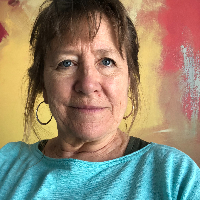
Genotra Brown
LMHC, LCPC
Practical support for stress and life change
- Stress, Anxiety
- Self esteem
- Depression
Attachment-based therapy directory
27 therapists based in Nevada name attachment-based therapy among the ways they work. Sessions are online; a therapist can usually only see people in the states where they hold a license, so check the license line on each profile.
Welcome to our directory of online therapists serving Nevada. All therapists listed here are licensed in their fields, and you can explore profiles to compare specialties, therapeutic approaches and languages. Use the listings to find a professional whose background aligns with what you are looking for.
LMHC, LCPC
Practical support for stress and life change
LMFT
Compassionate therapist for attachment and life changes
LCSW
Grounded, relational therapy for life changes
LMFT
Attachment-focused therapist blending practical therapies
LCPC
Helping people heal patterns and build resilience
LCSW
Compassionate, practical therapy focused on relationships
LMFT
Calm guidance for stress and relationships
LMFT
Practical, experience-based relationship and stress help
LCPC
Attachment-informed counselor focused on practical skills
NV Psychologist
Attuned clinical psychologist focusing on relationships
LMFT
Therapist helping steady change and connection
LMFT
Healing relationships and self through steady care
LICSW, LCSW
Compassionate clinician focused on attachment and coping
LCPC, LPC
Calm, practical help for life changes
LCPC, LCMHC
Calm, practical therapy grounded in attachment
LCSW
Attachment-focused therapist helping with life transitions
LCSW
Compassionate, attachment-informed therapy for healing
LCPC
Calm, practical counseling for life changes
LMFT
Kind, experienced therapist focused on relationships
LCSW
Practical support for stress and attachment patterns
LCSW
Relationship-focused LCSW helping with attachment and stress
LCPC
Compassionate guidance for stress and relationships
LCSW
Compassionate therapist focused on attachment and practical skills
LCSW
Real-world help for attachment and family stress
LMFT
Compassionate, attachment-informed therapy
Some links on this page are partner links. We will earn a commission if you sign up through one, at no cost to you. It does not change what you pay or the order of the listings.
Online therapy in Nevada has become an integral way for people to access mental health and relationship support. When you choose an online therapist you will most often meet by video, phone, or text-based messaging, which allows sessions to fit around work, family obligations, and travel. Many therapists who list attachment work or trauma-informed approaches among their methods also offer remote services so you can focus on relationships and personal history from a comfortable setting.
Because regulations influence how remote care is provided, you should be aware that licensure and practice rules determine whether a clinician can offer services to you while you are physically in Nevada. When you read a therapist profile, look for clear information about license type, professional credentials and the locations where they are authorized to provide care. That information helps you understand whether a given therapist is positioned to work with you under Nevada rules.
If you live in an urban area or a remote community in Nevada, online therapy can reduce travel time and make it easier to meet with a therapist regularly. You can schedule sessions without commuting across long distances, which is particularly helpful in regions where in-person mental health resources are sparse. Online formats can create continuity in care when your life requires travel within the state or when weather or transportation limits your ability to attend in person.
Many people find it easier to talk about attachment concerns, grief, anxiety or family dynamics from a familiar setting. You can choose a time and a location that feels restful and focused, such as a quiet space in your home or another place where you will not be interrupted. Online sessions also allow you to invite different modalities - for example, therapists who list narrative, cognitive-behavioral, or emotion-focused approaches among their methods may blend those tools into remote work. The flexibility of remote care can make it simpler to sustain therapy through life changes such as school, employment shifts or caregiving responsibilities.
Online therapists often work with people who want to understand and repair relationship patterns rooted in early attachment. You can explore how bonding, separation, trust and communication show up in your current partnerships and family dynamics. Therapists who list attachment-focused approaches among their methods often provide space to examine how past experiences shape present-day emotional needs and relational responses.
People seek online therapy for worry, panic, trauma reactions and the ongoing stress of modern life. Therapists who list trauma-informed or exposure-based approaches among their methods may offer strategies to manage symptoms and to build stability over time. You can also work through grief, career transitions, identity questions and parenting challenges with clinicians who emphasize resilience and practical coping skills.
Online therapists in Nevada may work with individuals, couples and family systems, including adolescents and adults. If you are navigating co-parenting, blended families, or caregiving concerns, therapists who list systemic or family-oriented methods among their approaches can help you consider interaction patterns and communication strategies. Language options listed in profiles can be especially helpful if you prefer to work with someone who shares your cultural or linguistic background.
Verifying a therapist's license helps you confirm that a clinician is authorized to practice in Nevada and provides basic information about professional standing. You can start with the state licensing board websites that handle mental health professions in Nevada. Most boards offer an online license lookup where you can search by name or license number to check license type, issuance and expiration dates, and whether any disciplinary actions are on record. These public records give you a factual snapshot of the clinician's regulatory status.
When you review a profile, note the license designation - for example, psychologist, clinical social worker, marriage and family therapist, or professional counselor - and what that means for the scope of practice in Nevada. Keep in mind that therapists typically must be licensed in the state where you are physically located when you receive services. If you will be in Nevada during sessions, confirm that the therapist is authorized to provide services to Nevada residents. If anything in the record is unclear, you can contact the licensing board directly for clarification or ask the clinician for a license number and the board that issued it.
Begin by reading profiles to identify therapists whose specialties, approaches and personal descriptions resonate with you. Look for information about populations they work with, languages spoken and any attachment-focused work they mention. When you make initial contact through a listed profile or contact form, you can ask practical questions about session format, typical session length and billing policies. Preparing a short summary of what brings you to therapy and what your goals are will help you both determine whether the clinician's approach feels aligned with your needs.
When comparing profiles, pay attention to the therapist's stated areas of emphasis and how they describe their approach to relationships, trauma or mood concerns. You may want to know whether they work with couples, families or specific age groups, and whether they list particular approaches such as cognitive-behavioral, emotion-focused, somatic-informed, or attachment-based work among their methods. Ask about practical matters such as fees, insurance policies they work with, and what technology platforms they use so you can assess whether the technical setup fits your comfort level.
To get the most out of online therapy, choose a consistent time and a quiet space where you can speak without interruption. A reliable internet connection, a charged device with a working camera and headphones for clearer audio can make sessions smoother. Think in advance about how you will handle moments of heightened emotion during a remote session - for example, identify a person you can contact or a local resource if you need immediate in-person support. Ask the therapist how they handle crises and what their recommended next steps would be in an emergency.
Finding the right therapist is often a process of noticing how you feel in the early sessions and whether the clinician's style helps you move toward your goals. You can look for a therapist who explains their approach in a way that makes sense to you and who listens to your concerns about attachment, relationships or past wounds. If a profile mentions that a therapist often works with attachment issues, consider how their stated orientation aligns with the change you hope to see. Above all, choose a professional who treats you with respect and whose methods you feel comfortable exploring.
Online therapy in Nevada can open new pathways to support, whether you are tending to relationship patterns, recovering from difficult experiences, or building life skills to manage stress and transitions. By reviewing licensed clinician profiles, verifying credentials, and preparing for remote sessions thoughtfully, you give yourself a stronger foundation for meaningful therapeutic work.